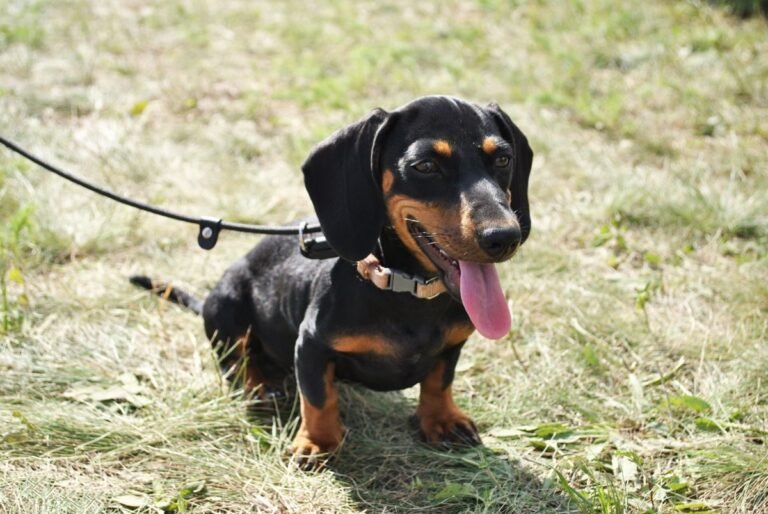
What to Feed a Dachshund: Best Food for Every Age
What to feed a Dachshund depends on age, size, and how much it moves each day. A puppy needs food that builds bone and muscle. An adult needs steady portions that hold a healthy weight. A senior needs fewer calories with the same good protein. A Dachshund also has a long back and short legs, so every extra pound adds strain where it hurts most. The right food, measured well, protects that back for years.
Choose what to feed a dachshund by age and size, measure every meal, and keep treats small. For the full picture of the breed, see the Dachshund breed guide on MyPetsCreature.
Table of Contents
- What to Feed a Dachshund Puppy
- What to Feed an Adult Dachshund
- What to Feed a Senior Dachshund
- How Much to Feed a Dachshund: Portions at a Glance
- Best Food Types for Dachshunds: Kibble, Wet, and Raw
- Treats to Avoid and Foods That Are Toxic for Dogs
- Weight Rules That Protect the Long Back
- How to Switch Foods and Handle a Fussy Eater
- Video: What to Feed a Dachshund
- Frequently Asked Questions
- Conclusion
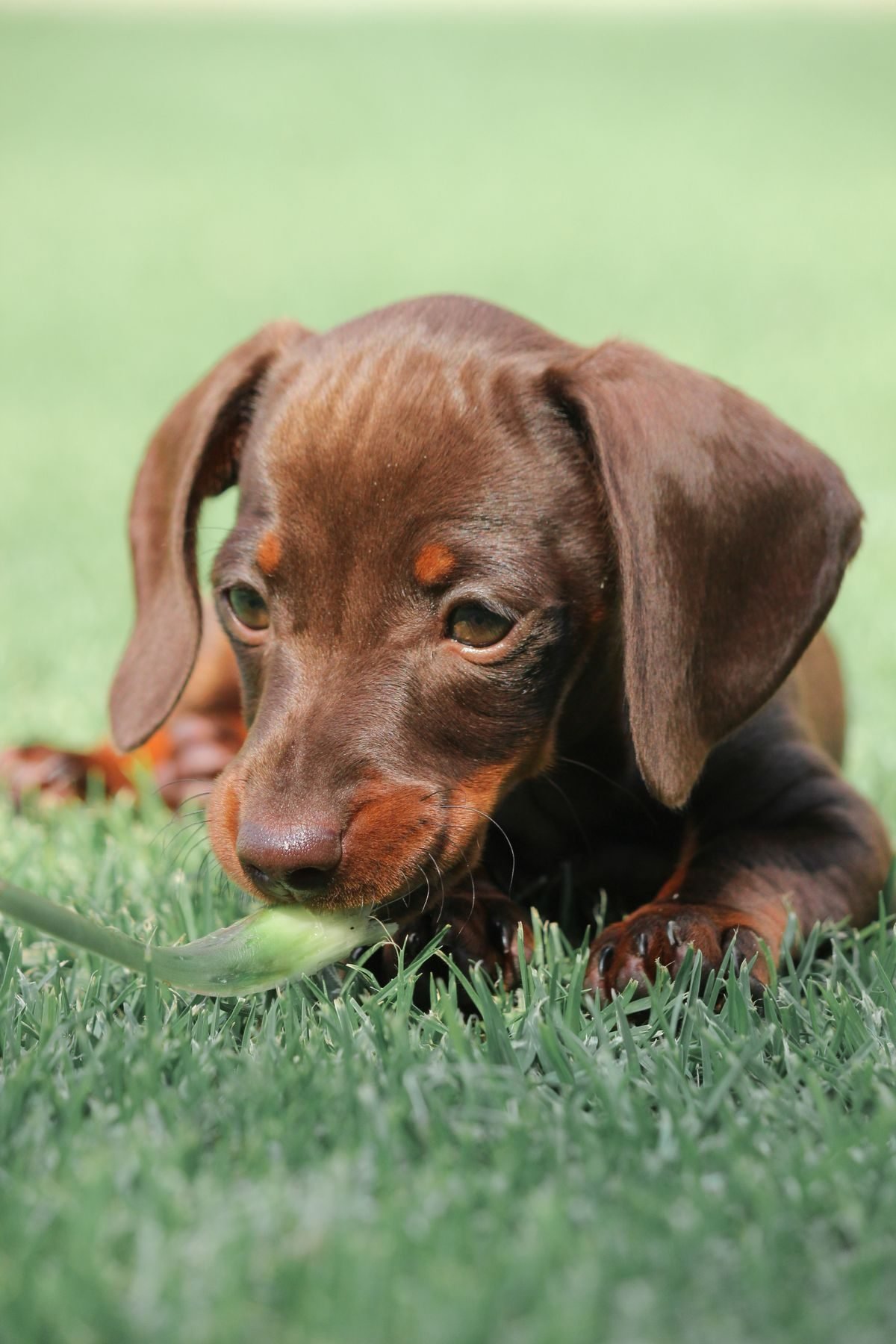
What to Feed a Dachshund Puppy
A Dachshund puppy grows fast, and its food has to keep up. Choose a puppy food labelled complete and balanced, made for puppies or for all life stages. Small-breed puppy kibble suits a small mouth and helps a puppy chew well. Puppy food carries more energy and nutrients than adult food, so do not switch to adult food too early. Most small-breed puppies move to adult food at about 12 months.
Feed small meals often. Give four meals a day from 8 to 12 weeks, three meals a day from 3 to 6 months, and two or three meals a day from 6 to 12 months. Use the feeding guide on the pack as your start point, and weigh the food with kitchen scales or a measuring cup. Weigh your puppy each week and adjust the amount so it grows steadily without getting round.
- Offer fresh water at all times, and wash the bowl each day.
- Keep the same food for the first week after you bring your puppy home, then change foods slowly if you need to.
- Ask your vet about feeding after neutering. Neutered puppies often need fewer calories.
What to Feed an Adult Dachshund
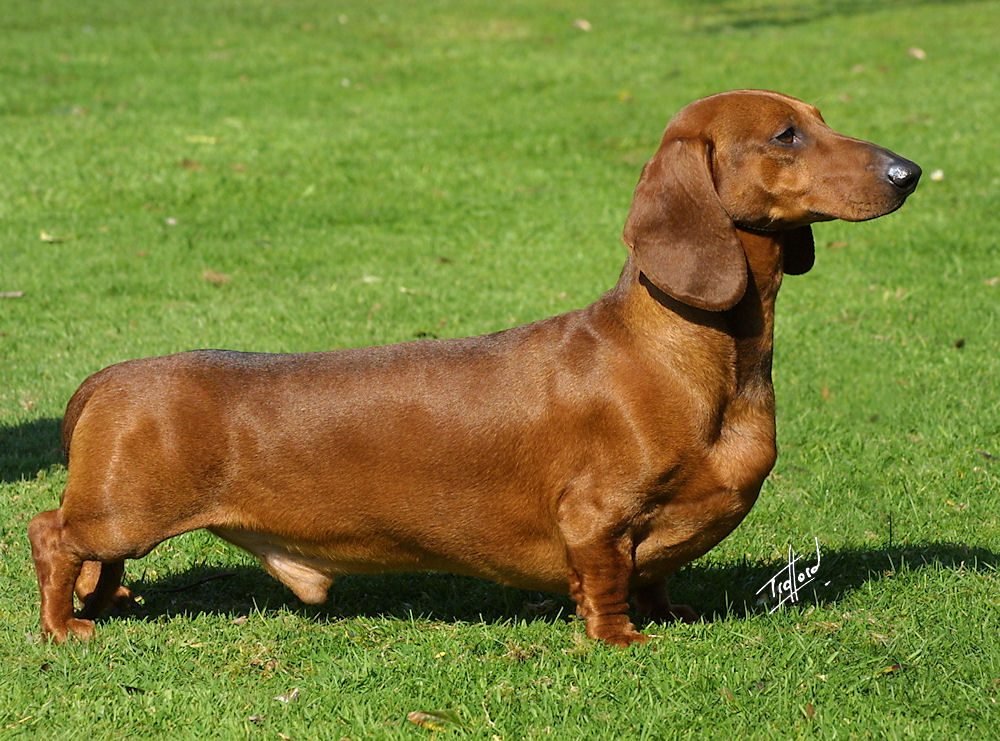
An adult Dachshund does best on two measured meals a day. Pick a complete and balanced adult food made for small breeds, and stick with it once your dog does well on it. A named meat or fish first on the label is a good sign. Avoid vague labels and foods packed with fillers your dog cannot use.
The AKC lists the standard Dachshund at 16 to 32 pounds and the miniature at 11 pounds and under, so portions for the two sizes differ a lot. Use the pack guide for your dog’s weight and activity, then watch the waist. A Dachshund that walks and plays daily needs more food than one that sleeps all day, but the bowl should still be measured, never filled by eye. After neutering, most Dachshunds need less food, so cut the portion a little and weigh your dog each month.
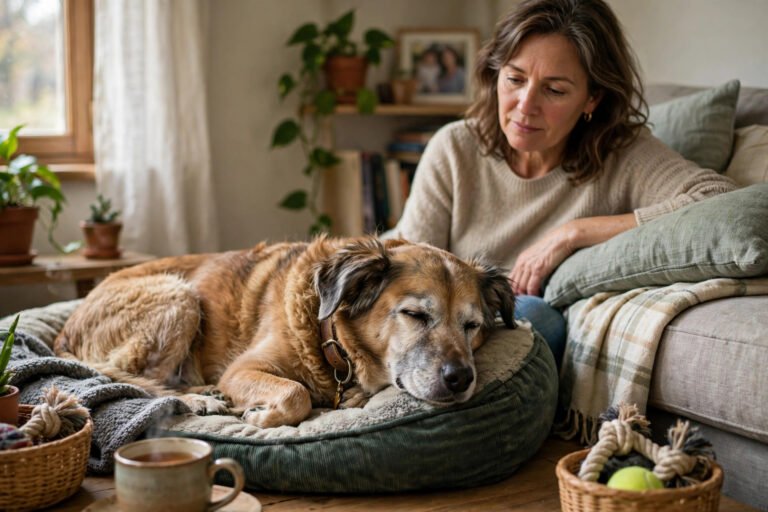
What to Feed a Senior Dachshund
A Dachshund counts as a senior from about 8 years old. Older dogs move less, so they need fewer calories, but they still need good protein to hold muscle. A senior food or a lower-calorie adult food can work well. If your dog has worn teeth, try a smaller kibble or soften dry food with a little warm water. Keep two meals a day, and keep the routine steady.
Watch for change. A senior that drops weight fast, drinks much more water, or leaves food untouched needs a vet visit, not a new food. Older Dachshunds can also gain weight as they slow down, so weigh your dog each month and trim the portion early.
How Much to Feed a Dachshund: Portions at a Glance
Grams and cups differ by brand and recipe, so no single number fits every bag. Use the table below as your start point, then set the real amount from the guide on your food’s pack and from your dog’s shape. If the ribs vanish under fat, feed a little less. If the ribs stick out, feed a little more.
| Life stage | Weight | Meals a day | How to set the portion |
|---|---|---|---|
| Puppy, 8-12 weeks | Growing fast | 4 | Pack guide for expected adult weight; weigh weekly. |
| Puppy, 3-6 months | Growing fast | 3 | Pack guide; keep ribs easy to feel under a thin fat layer. |
| Puppy, 6-12 months | Near adult weight | 2-3 | Pack guide; move to adult food at about 12 months. |
| Adult miniature | Up to 11 lb (5 kg) | 2 | Pack guide for 11 lb and under; measure every meal. |
| Adult standard | 16-32 lb (7-15 kg) | 2 | Pack guide for your dog’s weight; weigh each month. |
| Senior, 8 years and up | Same healthy weight | 2 | A little less than the adult amount; check with your vet. |
Treats sit outside this table. Count them in the daily total, and keep them small.
Best Food Types for Dachshunds: Kibble, Wet, and Raw
Kibble, wet food, and raw food can all work, but they suit different dogs and owners. The choice is part of what to feed a dachshund at each age. Judge a food by three things: it is complete and balanced, your Dachshund eats it well, and it holds a healthy weight.
Kibble
Kibble is the most common choice, and for good reason. It is easy to measure, stores well, costs less per day than wet or raw food, and the crunch helps clean teeth. The weak points are low moisture and dull taste for fussy dogs. Pick a small-breed kibble with a named meat or fish first on the label.
Wet Food
Wet food smells strong, so fussy dogs often eat it first. It also adds water to the diet and suits puppies and seniors that find hard kibble tough to chew. The trade-offs are cost, a short life once the tin or pouch opens, and food that can cling to teeth. Many owners mix wet food with kibble or use it as a topper.
Raw Food
Raw feeding gives you full control over the bowl, and many dogs love the taste. The risks are real too. Raw meat can carry bacteria such as Salmonella, raw bones can splinter, and a home-made raw diet can miss key nutrients unless a vet plans it with you. Never feed cooked bones, and talk to your vet before you switch to raw. For most owners, a good kibble or wet food is the safer and simpler choice.
Treats to Avoid and Foods That Are Toxic for Dogs
Some foods that look harmless can make a Dachshund very ill. Chocolate, xylitol in sugar-free gum and sweets, grapes and raisins, onions and garlic, macadamia nuts, alcohol, and caffeine are all toxic for dogs. If your Dachshund eats any of these, call your vet at once, even if your dog still looks fine.
Treats need care too. Skip fatty table scraps, cooked bones, sugary biscuits, and salty snacks. Cooked bones can splinter, and fatty scraps can upset the stomach. Safe treats in small amounts include plain cooked chicken, carrot sticks, and cucumber slices. Count every treat in the daily total.
- Chocolate and cocoa
- Sugar-free gum and sweets with xylitol
- Grapes and raisins
- Onions and garlic
- Macadamia nuts
- Cooked bones
Weight Rules That Protect the Long Back
Weight is the biggest feeding risk for a Dachshund. Around one in four Dachshunds develops IVDD, a disc disease of the spine, in its lifetime. Extra weight loads the spine and makes that risk worse, so a lean Dachshund is a safer Dachshund. That is why weight sits at the heart of what to feed a dachshund. Learn the early signs in the Dachshund IVDD guide on MyPetsCreature, and use these rules every week.
Check the shape with your hands. You should feel the ribs under a thin layer of fat, see a waist from above, and see a tummy tuck from the side. If the ribs hide, cut the food a little. If the ribs poke out, add a little. Weigh your dog once a month on the same scales and write the number down.
Feed for the life you have. Neutered dogs and quiet house dogs need less food than active ones. Use a ramp or steps for the sofa and bed, and keep up daily walks and play. The bowl sets the weight, and movement keeps the back muscles strong.
How to Switch Foods and Handle a Fussy Eater
When you change what to feed a dachshund, do it over seven days, not in one meal. Mix one part new food with three parts old food for two days, then half and half for two days, then three parts new to one part old for two days, and then all new food. A slow switch avoids stomach upset and loose stools.
For a fussy eater, keep it simple. Put the meal down for 15 to 20 minutes, then lift it until the next meal. Skip treats between meals, keep the same spot and time, and warm the food a little to lift the smell. If your Dachshund suddenly stops eating, drools, or seems in pain, see a vet. A sudden change in appetite can point to teeth or stomach trouble, not fussiness.
Video: What to Feed a Dachshund
Watch the short Royal Canin guide below for a quick visual run-through of what to feed a dachshund, from puppy portions to adult weight control.
Frequently Asked Questions
What is the best food for a Dachshund?
The best food is a complete and balanced diet made for your dog’s age and size. Small-breed puppy food suits a growing Dachshund, and a small-breed adult food suits a grown one. Pick one your dog eats well and holds weight on.
How much should a Dachshund eat per day?
What to feed a dachshund each day depends on size, age, and activity. A miniature adult usually needs much less food than a standard adult. Use the feeding guide on your food’s pack for your dog’s weight, measure every meal, and adjust by waist and ribs.
Can Dachshunds eat raw meat?
Raw meat alone is not a balanced diet, and it can carry bacteria such as Salmonella. Some owners feed raw with vet guidance, but most vets suggest a complete kibble or wet food instead. Never feed cooked bones, and talk to your vet before you try raw.
Is scrambled egg good for a Dachshund?
Yes, plain scrambled egg is fine as an occasional treat. Cook it without butter, oil, salt, or seasoning, and keep the portion small. Count it in the daily food total, and skip it if your dog has an egg allergy or a sensitive stomach.
What do Dachshunds like to eat most?
Most Dachshunds love meat, cheese, and anything they can beg for, but taste is not a guide to health. Feed a balanced diet first, and save favourite foods as small training treats. A Dachshund will eat far more than it needs if you let it.
How many treats can a Dachshund have a day?
Keep treats small and rare. A common vet rule caps treats at about 10% of daily calories, so a few tiny training treats beat one big biscuit. Cut the main meal a little on days when you train a lot.
Conclusion
What to feed a dachshund comes down to three habits: pick a complete food for the right age, measure every meal, and keep the waist trim. Puppy, adult, and senior dogs each need a different portion, and treats always count in the total. Feed that way and weigh your dog each month to protect the long back. If your dog gains, loses, or stops eating, ask your vet first.
General information only — not veterinary advice

MyPetsCreature is a trusted digital resource dedicated to providing well-researched, human-centric insights into pet care, health, and behavior. Our team of passionate pet enthusiasts delivers reliable advice, comprehensive guides, and essential tips to help pet parents worldwide ensure the well-being and happiness of their companion animals.