
Vestibular Disease vs Ear Infection in Dogs: How to Tell
Vestibular disease vs ear infection in dogs can look almost the same at first. A dog may tilt its head, lose balance, or walk in circles, and an owner may not know which problem is behind those signs. The two conditions share the same balance system, so they often cause the same early signs. The cause, the pain level, and the right treatment can still differ a lot, so a quick guess at home is not enough.
Vestibular disease affects the balance system in the inner ear or the brain. An ear infection affects the ear canal, the middle ear, or the inner ear. When infection reaches the deep parts of the ear, it can also disturb balance. That overlap is the main reason owners need a careful vet exam before they name the problem.
Table of Contents
- Vestibular Disease vs Ear Infection in Dogs: What Each One Means
- Vestibular Disease vs Ear Infection in Dogs: Side-by-Side Comparison
- Why They Get Mixed Up
- Head Tilt, Pain and Discharge: The Signs That Point Each Way
- Eye Movement, Balance and Hearing: Reading Nystagmus and Wobble
- How a Vet Tells Them Apart
- What Treatment Looks Like for Each One
- When It Is an Emergency
- Frequently Asked Questions
- Conclusion
Vestibular Disease vs Ear Infection in Dogs: What Each One Means
The vestibular system controls balance and head position. It sits in the inner ear and links to the brain. Vets split vestibular disease into two types. Peripheral vestibular disease starts in the inner or middle ear. Central vestibular disease starts in the brain or brainstem. Idiopathic vestibular disease has no clear cause. It often starts suddenly in older dogs. For a fuller guide to signs and recovery, see the MyPetsCreature vestibular disease guide.
An ear infection is inflammation and infection in the ear. Outer ear infection, called otitis externa, is the most common type. It often links to allergies, yeast, or bacteria. Middle ear infection and inner ear infection sit deeper. They can spread from the outer ear, or start after a burst eardrum, a growth, or a severe infection. When infection reaches the inner ear, it can inflame the balance organs and cause vestibular signs. So an ear infection can cause vestibular disease, not just look like it.
Vestibular Disease vs Ear Infection in Dogs: Side-by-Side Comparison
Use this table as a first guide only. No single sign proves the cause. Look at the full pattern, then let a vet confirm it.
| Sign | Vestibular disease | Ear infection |
|---|---|---|
| Head tilt | Often strong and stays tilted to one side | Often mild, with head shaking instead |
| Pain | Usually little or no ear pain, though the dog may feel sick or dizzy | Often painful; the dog yelps or pulls away when the ear is touched |
| Discharge and smell | Usually none | Often dark, waxy, or smelly discharge |
| Eye movement | Rhythmic side-to-side eye flicking, called nystagmus, is common | Rare, unless infection has reached the inner ear |
| Balance | May fall, roll, circle, or refuse to stand | Usually still walks, but may lean to one side |
| Hearing | Can drop if the inner ear is involved | Can drop if the middle or inner ear is involved |
| Scratching | Uncommon | Common; the dog paws at the ear or rubs its head on the floor |
| Face | A drooping lip or eyelid can occur with nerve damage | Drooping can also occur when deep infection affects the facial nerve |
Why They Get Mixed Up
Both conditions use the same balance organs. The inner ear holds tiny sensors that tell the brain where the head is and how it moves. Infection, inflammation, or nerve damage in that area can all send wrong signals. The brain then thinks the dog is turning or falling, even when the dog stands still.
A deep ear infection can also hide. The outer ear can look clean, with no redness, scratching, or discharge, while infection sits behind the eardrum. A quick look with an otoscope does not always rule out a middle or inner ear infection. That gap is a common cause of a wrong first guess.
Treatment for one problem will not fix the other. Ear drops will not help idiopathic vestibular disease. Supportive care alone will not clear a deep ear infection. A wrong guess can delay the right care, so vets check the ear, the nerves, and the whole dog before they settle on a cause.
Head Tilt, Pain and Discharge: The Signs That Point Each Way
Head tilt is the sign most owners notice first. In vestibular disease, the tilt often stays fixed to one side, and the dog holds its head low. In an ear infection, the tilt is often milder. The dog may shake its head, flick its ear, or tilt its head only when the ear hurts. Note which side the dog tilts toward, and when the tilt started.
Pain is a strong clue. An infected ear often hurts to touch. The dog may yelp, flinch, or pull away when you lift the ear flap. It may paw at the ear, rub its head on furniture, or hold the ear flat. Vestibular disease on its own is not usually painful in the ear, though the dog may feel sick, stressed, or unsteady.
Discharge, smell, and redness point toward infection. Look for dark brown or yellow discharge, a strong smell, red skin inside the ear, or swelling of the ear flap. Healthy ears should look pale pink and clean, with no strong smell. Do not put drops or cleaner in the ear before a vet visit unless a vet tells you to, as cleaning can wash away signs the vet needs to see.
Eye Movement, Balance and Hearing: Reading Nystagmus and Wobble
Nystagmus is rhythmic, uncontrolled eye movement. The eyes flick from side to side, or sometimes up and down. It is a classic sign of vestibular disease. It can make the dog feel dizzy and sick. A plain ear infection rarely causes nystagmus, unless the infection has reached the inner ear. If you see eye flicking, film it for the vet, as the direction and speed can help the vet work out where the problem sits.
Balance shows the same split. A dog with vestibular disease may walk in circles, lean or fall to one side, roll over, or refuse to stand at all. It may vomit from nausea. A dog with an ear infection usually keeps walking, though it may wobble a little, lean its head to one side, or walk with a wide stance.
How a Vet Tells Them Apart
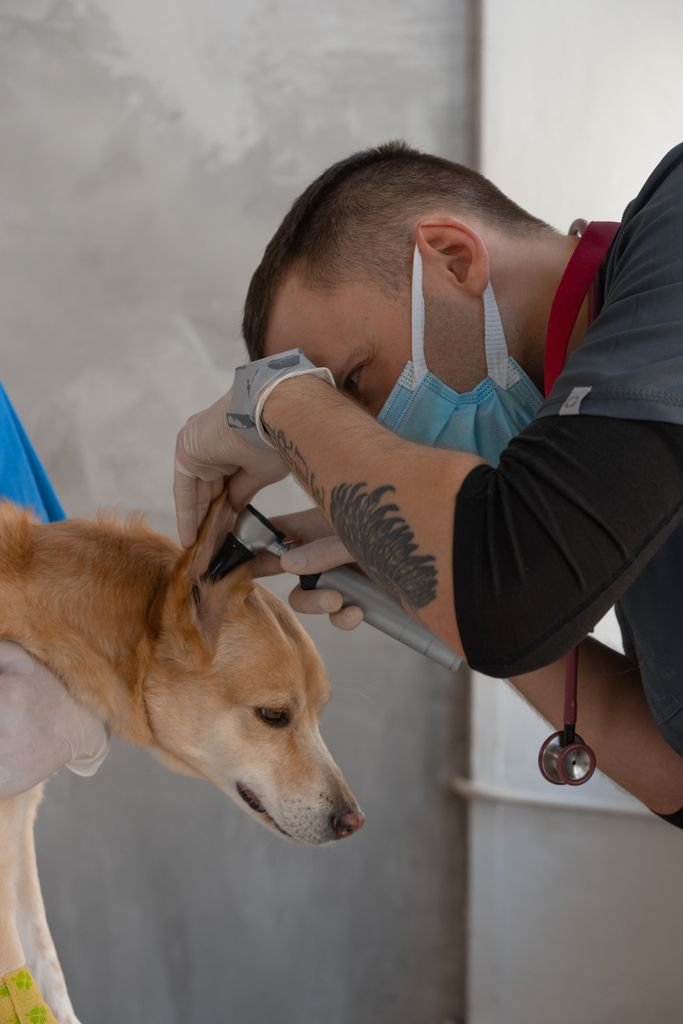
A vet starts with history and a hands-on exam. Expect questions about when the signs started, how fast they came on, pain, discharge, vomiting, and any past ear problems. The vet will watch the dog walk, check eye movement, test reflexes, and check the nerves in the face. That neuro exam helps the vet tell a peripheral problem in the ear from a central problem in the brain.
Next comes the ear exam. An otoscope lets the vet look down the ear canal and check the eardrum. A swab of ear discharge, called cytology, goes under a microscope to look for yeast, bacteria, or mites. A culture can show which germ is present and which drug will work best. Blood tests can check for infection or other illness. If the vet suspects a deep ear problem or a brain problem, scans such as X-ray, CT, or MRI may follow. VCA Hospitals explains vestibular disease in dogs, including its causes, signs, and tests.
What Treatment Looks Like for Each One
Treatment follows the cause. For idiopathic vestibular disease, care is often supportive. The vet may give anti-nausea drugs and fluids if the dog is vomiting or will not drink. At home, keep the dog in a quiet, safe room, help it walk with a harness or towel sling, and keep food and water close. Many dogs improve over days to weeks, though a mild head tilt can stay.
For an ear infection, the vet treats the germ and the cause behind it. That often means ear cleaning at the clinic, then topical ear drops, oral antibiotics, or antifungal drugs based on the swab result. Allergies, mites, or a growth may need their own treatment. Follow the full course, even if the ear looks better, and go back for a recheck. For safe routine care at home, see how to clean dog ears at home safely.
When It Is an Emergency
Some signs need same-day vet care, even if the cause is not yet clear. Sudden balance loss can look scary, and it can also hide a serious problem. Do not wait to see if it passes when any of these signs are present.
- The dog cannot stand, keeps rolling, or falls again and again.
- Vomiting keeps going, or the dog will not drink water.
- The dog has a seizure, collapses, or seems very weak.
- Breathing is hard, or the face droops badly on one side.
- Signs get worse fast, or the dog is in clear pain.
Call the vet or an emergency clinic and describe the signs, when they started, and any ear discharge or pain. Keep the dog calm, help it move, and do not give human drugs. A fast exam can rule out the most serious causes and start the right treatment.
Frequently Asked Questions
Can an ear infection cause vestibular disease in dogs?
Yes. A middle or inner ear infection can inflame the balance organs in the inner ear. That can cause head tilt, circling, falling, and eye flicking. Outer ear infections alone rarely cause those signs, but a deep infection can, so a vet should check the whole ear.
Can vestibular disease go away on its own?
Idiopathic vestibular disease often improves with supportive care over days to weeks, but it is not a case for watchful waiting at home. A vet should first rule out an ear infection or a brain problem, as those need their own treatment and will not improve the same way.
How can I tell if my dog is in pain from an ear infection?
Pain often shows as yelping or flinching when the ear is touched, pawing at the ear, head shaking, or holding the ear flat. You may also see redness, swelling, discharge, or a strong smell. A dog in pain may eat less or seem grumpy and restless.
What should I do first if my dog suddenly tilts its head?
Stay calm and keep the dog safe from stairs and sharp corners. Note when it started, which side tilts, and any pain, discharge, vomiting, or eye flicking. Film a short clip, then call the vet the same day for advice and an exam.
Can I use ear drops at home?
No, not before a vet checks the ear. Some drops can harm the inner ear if the eardrum is damaged. The vet needs a swab first to choose the right drug for yeast or bacteria. Use only the drops your vet prescribes, and finish the full course.
Conclusion
Vestibular disease vs ear infection in dogs is a close call, because both can tilt the head, disturb balance, and change eye movement. Pain, discharge, scratching, and nystagmus often point the way, but a deep infection can hide behind a clean-looking outer ear. A vet exam, an ear swab, and scans when needed give a clear answer and the right treatment.
If your dog tilts its head, wobbles, or shows eye flicking, do not guess. Note the signs, keep the dog safe, and call the vet the same day. Fast, correct care gives the best chance of a full recovery.
General information only — not veterinary advice

MyPetsCreature is a trusted digital resource dedicated to providing well-researched, human-centric insights into pet care, health, and behavior. Our team of passionate pet enthusiasts delivers reliable advice, comprehensive guides, and essential tips to help pet parents worldwide ensure the well-being and happiness of their companion animals.