Dachshund vs Beagle: Which Hound Fits Your Home?
Dachshund vs Beagle is a choice between two stubborn hounds with big personalities, and the right answer depends on your home, your schedule, and how much noise you can live with. Both breeds were bred to hunt by scent, both love food, and both will test a first-time owner. They differ in size, shape, energy, bark, and the health problems that need the most care.
A Dachshund is low, long, and built for burrows. A Beagle is taller, sturdier, and built to follow a scent for miles in a pack. The comparison below uses American Kennel Club (AKC) size figures and the MyPetsCreature Dachshund breed guide, and it also covers the owner questions that top comparison pages leave out: stairs, flats, off-lead recall, alone time, and the real cost of a bad back or a hungry Beagle.
Table of Contents
- Dachshund vs Beagle at a Glance
- Dachshund vs Beagle Size and Build
- Dachshund vs Beagle Barking and Noise
- Exercise Needs
- Training and Stubbornness
- Health: Backs, Weight and Ears
- Temperament With Children and Other Pets
- Grooming, Shedding and Daily Care
- Cost: Puppy Price and Monthly Care
- Which Home Fits Each Breed?
- Flats, Stairs and Off-Lead Walks
- Dachshund vs Beagle on Video
- Frequently Asked Questions
- Conclusion
Dachshund vs Beagle at a Glance
Short on time? The table below sums up the six points that matter most.
| Topic | Dachshund | Beagle |
|---|---|---|
| Size | Standard 16-32 lbs, 8-9 in tall; miniature 11 lbs and under, 5-6 in tall | 20-30 lbs at 13-15 in tall; smaller type under 20 lbs |
| Barking | Sharp, frequent alert barking at visitors and sounds | Baying and howling as well as barking; a loud, carrying voice |
| Exercise | About 30-60 minutes a day, with play and scent games | About 60-90 minutes a day, with long walks and scent work |
| Training | Clever but stubborn; short, patient, reward-based sessions work best | Food-driven but easily distracted by scent; recall needs extra work |
| Health | Back and spine problems (IVDD); keep weight down | Obesity and ear infections are common; measure food, check ears |
| Cost | Breeder puppies often $1,000-$3,500; adoption $150-$650 | Breeder puppies often $1,000 and up; adoption usually costs less |
Dachshund vs Beagle Size and Build
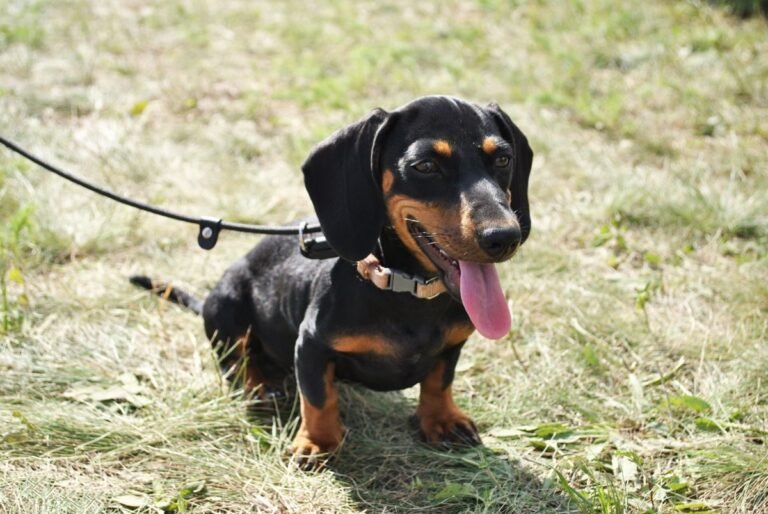
Size is the first real difference, and it shapes daily life more than most owners expect. The AKC lists the standard Dachshund at 16-32 pounds and 8-9 inches tall at the shoulder, while the miniature stands 5-6 inches tall and weighs 11 pounds and under. A Beagle is bigger and sturdier: the 13-15 inch type weighs 20-30 pounds, and the type at 13 inches and under weighs under 20 pounds. The AKC Dachshund breed page lists the same figures.
Build matters as much as weight. A Dachshund has a long body on short legs, which makes it easy to lift, but also puts strain on its spine. A Beagle has longer legs, a deeper chest, and a frame built for steady work in the field. Lifespan also differs: the AKC gives 12-16 years for the Dachshund and 10-15 years for the Beagle.
Dachshund vs Beagle Barking and Noise
Both breeds are vocal, so neither one suits a home that needs silence. The difference is the sound. A Dachshund has a sharp, loud bark for its size and uses it often, usually as an alert when someone knocks, a dog passes, or a strange sound comes from the hall. A Beagle barks too, but it also bays and howls, a long, carrying sound bred to tell hunters where the pack was.
Training can lower the noise, but it will not silence a hound. Daily exercise, scent games, and a calm routine help most, because a bored hound barks more. Teach a quiet cue with treats, reward calm moments, and never shout back. If you live in a flat with thin walls, weigh the Beagle bay carefully.
Exercise Needs
A Beagle needs more exercise than a Dachshund, and the gap is wide. Plan on about 60-90 minutes a day for a Beagle, split between long walks and scent work, such as hiding treats or letting it follow a trail in a secure field. A Dachshund needs about 30-60 minutes a day, with walks, play, and scent games.
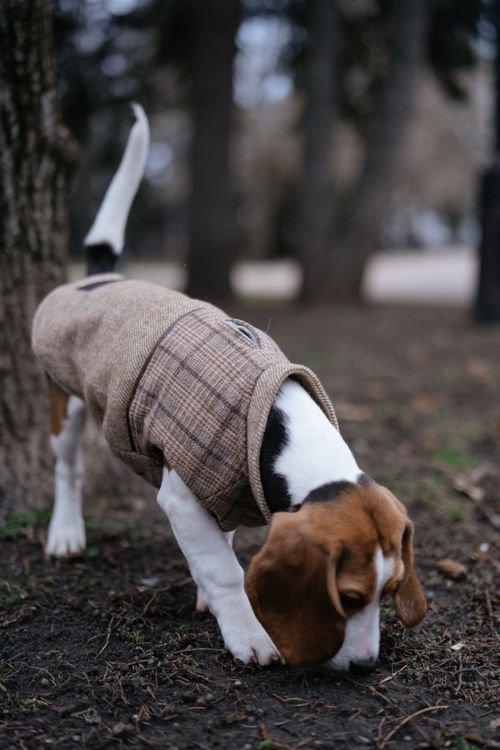
Mental work counts as exercise for both breeds. Ten minutes of sniffing, a puzzle feeder, or a short training game can tire a hound as much as a longer walk. Skip long runs and repeated jumping for a Dachshund, and skip off-lead runs in open ground for a Beagle until recall is solid.
Training and Stubbornness
Both breeds are stubborn, and both were bred to think for themselves. A Dachshund worked alone underground, away from its handler, while a Beagle worked in a pack, following scent with little input from a person. That history shows up in training: both dogs will pause, sniff, and decide for themselves whether your cue is worth following.
Reward-based training works best for both. Keep sessions short, use small treats, and end while the dog is still keen. Beagles respond well to food, but keep portions small, since every treat adds to a weight problem. Start socialisation early, teach house training with a steady routine, and join a puppy class if you can.
Health: Backs, Weight and Ears
Health is where the two breeds part ways most clearly. The Dachshund’s main risk is intervertebral disc disease (IVDD), a back and spine problem linked to its long body. Roughly 1 in 5 Dachshunds will face IVDD in their lifetime, so weight control, ramps instead of stairs, and no jumping on and off furniture matter every day. Watch for a hunched back, yelping when touched, or a sudden reluctance to move, and see a vet at once. The MyPetsCreature Dachshund IVDD guide explains the early signs, treatment, and recovery in detail.
The Beagle’s main risks are weight gain and ear infections. Beagles love food and will beg for it, so measure every meal, limit treats, and skip table scraps. Their long, floppy ears trap warmth and moisture, so check and clean the ears weekly, and ask a vet to look at any smell, redness, or head shaking. Both breeds also need dental care, nail trims, and regular vet checks.
Temperament With Children and Other Pets
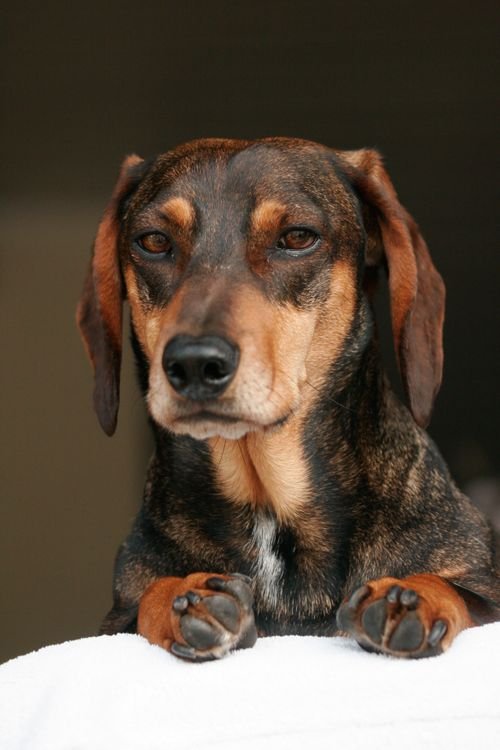
Temperament is close, yet the two breeds suit different households. The AKC describes the Dachshund as curious, friendly, and spunky, and the Beagle as curious, friendly, and merry. A Beagle is a pack dog by breeding, so it is usually patient with children and happy around other dogs. A Dachshund is loyal and playful, but it can be wary of strangers, so it does best with older children who handle it gently and respect its fragile back.
With other pets, early socialisation matters for both. A Beagle may chase a cat or a small pet when its nose takes over, and a Dachshund may dig, chase, or guard toys and food. Introduce cats slowly, keep small pets in secure housing, and never leave either breed unsupervised with a rabbit, guinea pig, or hamster. Supervise all play with toddlers, and give each dog a quiet spot to retreat to.
Grooming, Shedding and Daily Care
Grooming is simple for both breeds, and neither one needs a professional clip. Smooth-coated Dachshunds and Beagles need a weekly brush, a bath when dirty, and regular nail trims. A Beagle sheds fairly consistently, so expect hair on clothes and sofas, while a smooth Dachshund sheds less.
Cost: Puppy Price and Monthly Care
Puppy prices overlap. Breeder puppies for both breeds often start at $1,000 and up, with Dachshund puppies from a breeder commonly listed at $1,000-$3,500. Adoption is cheaper: Dachshund adoption often runs $150-$650, and Beagle adoption usually costs less than a breeder puppy too.
Monthly care adds up for both breeds. Food, vet visits, insurance, treats, and toys are ongoing costs, and the MyPetsCreature Dachshund guide puts monthly care at $155-$855 or more, with vet bills as the biggest variable. A Beagle’s food bill runs higher, since it is a bigger dog, while a Dachshund’s vet bill can spike if back problems need treatment.
Which Home Fits Each Breed?
Choose a Dachshund if you want a smaller, loyal lap dog, you have less time for long walks, and you can manage stairs and jumping with ramps and a lift. Choose a Beagle if you are active, you want a social pack dog that loves children and other dogs, and you can give it long walks and scent work. Ask yourself five questions: how much noise can your household accept, how much exercise can you give every day, how many stairs does the dog face, how many hours will it spend alone, and how much vet care can you afford?
Flats, Stairs and Off-Lead Walks
Both breeds can live in a flat with enough daily exercise, but the Beagle’s bay is the bigger risk with neighbours, while the Dachshund’s back is the bigger risk with stairs. Use a lift where you can, and fit ramps for the sofa, the bed, and the car.
Off-lead walks need care with both breeds, and more with a Beagle. A scent can switch a Beagle’s ears off in a second, so keep it on a lead unless you are in a secure field, and work on recall with high-value treats. A Dachshund also follows scent and loves to dig, so check fences and gates, and block gaps under them. Alone time needs a plan too: build it up slowly, and leave a puzzle feeder.
Dachshund vs Beagle on Video
Watch the Beagle Care comparison below to see both breeds side by side before you decide.
Frequently Asked Questions
Which is better for first-time owners, a Dachshund or a Beagle?
Neither breed is the easiest first dog, since both are stubborn scent hounds. A Beagle is often easier socially, while a Dachshund needs less exercise. Choose based on your time and noise tolerance, and join a puppy training class.
Do Dachshunds or Beagles bark more?
Both bark a lot, but they sound different. A Dachshund gives a sharp, frequent alert bark, while a Beagle bays and howls as well as barking. The Beagle voice carries further, so it is more likely to disturb neighbours.
Are Dachshunds or Beagles better with children?
A Beagle is usually more patient with children and fits a busy family well. A Dachshund does best with older children who handle it gently, since its long back is fragile. Supervise all play, and never let a child pick the dog up by its back.
Can a Dachshund or a Beagle live in a flat?
Yes, both can live in a flat with enough daily exercise. A Dachshund suits a smaller space, but it needs ramps and help with stairs. A Beagle needs longer walks and more scent games, and its baying can bother neighbours.
Which breed is healthier, a Dachshund or a Beagle?
Neither breed is free of problems. A Dachshund faces back and spine problems, with roughly 1 in 5 affected by IVDD. A Beagle is prone to obesity and ear infections. Keep weight down and check ears weekly.
What is a Doxle?
A Doxle is a cross between a Dachshund and a Beagle. It is not a recognised breed, and its size, coat, and temperament can vary a lot. Meet the parents where you can, and expect a stubborn, scent-driven dog.
Conclusion
Dachshund vs Beagle comes down to fit, not to a winner. A Dachshund suits a smaller home, a shorter daily walk, and an owner who wants a loyal lap dog and can protect a long back. A Beagle suits an active household that can give long walks, scent work, and patience with a loud, nose-led hound.
General information only — not veterinary advice

MyPetsCreature is a trusted digital resource dedicated to providing well-researched, human-centric insights into pet care, health, and behavior. Our team of passionate pet enthusiasts delivers reliable advice, comprehensive guides, and essential tips to help pet parents worldwide ensure the well-being and happiness of their companion animals.