Vestibular Disease vs Stroke in Dogs: How to Tell
Vestibular disease vs stroke in dogs looks frightening at first. One minute your dog walks fine, and the next minute the head tilts, the eyes flick, and the legs give way. Many owners fear the worst — a stroke. In truth, a true stroke in dogs is rare. Old-dog vestibular disease is the far more common cause of a sudden head tilt and stumbling. Both problems can look alike, so fear alone cannot tell them apart. You need clear signs and a same-day vet visit.
Table of Contents
- What Is Vestibular Disease in Dogs?
- What Is a Stroke in Dogs?
- Vestibular Disease vs Stroke in Dogs: The Side-by-Side Comparison
- Vestibular Disease vs Stroke in Dogs: The First Hour at Home
- What the Vet Exam Actually Checks
- Recovery: How Long Does Vestibular Disease Last vs Stroke Recovery?
- Red Flags: Go to the Emergency Vet Now
- Frequently Asked Questions
- Conclusion
What Is Vestibular Disease in Dogs?
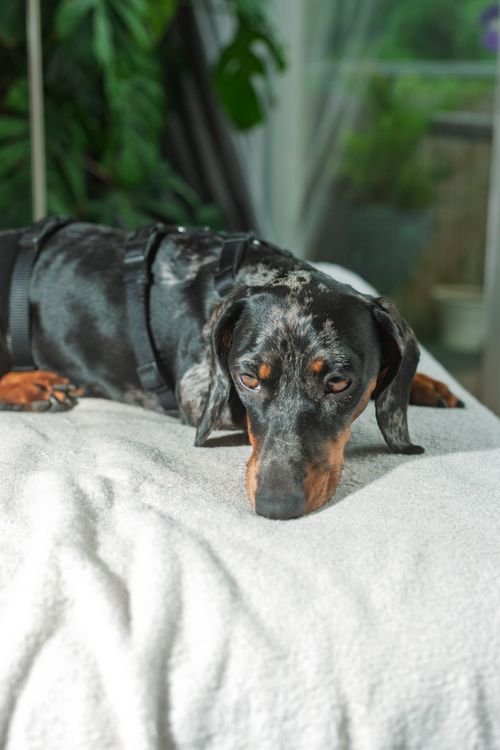
Vestibular disease affects the balance system. That system sits in the inner ear, links to the brain, and tells your dog which way is up. When it goes wrong, the world seems to spin. Your dog may tilt the head to one side, circle, lean, or fall over, and the eyes may flick from side to side.
Most cases in older dogs have no clear cause. Vets call this idiopathic vestibular disease, or old-dog vestibular disease. It starts in seconds, with no warning, and the first day often looks the worst. Yet the outlook is often good. Around 80% of dogs make a good recovery with nursing care in idiopathic cases, according to JoiiPetCare. A Royal Veterinary College study found that the median age at a dog’s first vestibular episode is 12.7 years.
That overlap is why vestibular disease vs stroke in dogs confuses so many owners.
What Is a Stroke in Dogs?
A stroke is a problem with blood flow in the brain. A blood vessel can block, or it can break and bleed. The brain cells past that point lose their blood supply, and they stop working as they should. Which signs show up depends on which part of the brain is hurt.
A stroke in a dog can cause a head tilt and stumbling, just like vestibular disease. It can also cause weakness in one or more legs, a dull or confused state, and trouble with balance. True stroke in dogs is rare, though, and far less common than old-dog vestibular disease. When a senior dog suddenly tilts the head and stumbles, vestibular disease is the more likely cause — but only a vet can rule a stroke out.
Vestibular Disease vs Stroke in Dogs: The Side-by-Side Comparison
Use the table to compare the two conditions at a glance. No single row proves the cause.
| Sign | Idiopathic vestibular disease | Stroke |
|---|---|---|
| How common | Far more common in older dogs | True stroke in dogs is rare |
| Head tilt | Common, often marked, to one side | May be present or absent, often mild |
| Eye flicking (nystagmus) | Horizontal or rotary flicking in one direction | May be vertical, or the eyes will not line up |
| Alertness | Usually alert, even if scared and unsteady | Often dull, confused, or hard to rouse |
| Limb strength | Legs usually keep their strength; the dog stumbles from poor balance | Weakness or dragging in one or more legs is common |
| Walking | Circles or falls to one side | May circle too, but weak steps make the walk uneven |
| Recovery | Worst in the first 24–48 hours, clear improvement within about 72 hours, largely recovered in 1–3 weeks; a mild head tilt may stay | More variable, often 4–6 weeks |
| IVDD — a different problem | Back or neck pain with weak or wobbly back legs | Usually no head tilt and no eye flicking; a vet can tell it apart on exam |
For the full picture of signs, causes, and care, read the MyPetsCreature guide to vestibular disease in dogs.
Vestibular Disease vs Stroke in Dogs: The First Hour at Home
Your First-Hour Checklist
- Stay calm. Speak softly and move slowly. Your dog reads your mood, and panic makes a wobbly dog worse.
- Keep your dog safe and confined. Move your dog to one small, quiet room on a non-slip floor. Block off stairs and sharp edges.
- Film a 10-second video of the eyes and the walking. Hold the phone still, film the eyes close up, then film a few steps. Nystagmus often settles within 24 hours, so this video may be the vet’s best clue.
- Note the time it started. Write down when the signs began and what your dog was doing just before.
- Note any medicines your dog takes. Bring the list, or a photo of the packets, to the vet.
- Call the vet and go the same day. Sudden loss of balance always warrants same-day veterinary evaluation. Show the vet the video first.
The Nystagmus Clue: Read the Eyes
Nystagmus means the eyes flick back and forth without the dog meaning to move them. It is the clearest at-home clue, and it is easy to read once you know what to look for. Knowing the signs of vestibular disease vs stroke in dogs helps you act fast.
If the eyes flick from side to side, or roll in a small circle in one direction, that leans toward a peripheral cause — the inner ear, or idiopathic vestibular disease. If the eyes flick up and down, that points to the brain, and it is an emergency. The same applies if the two eyes will not line up. In those cases, do not wait. Go to the vet now.
Film the eyes in a still, well-lit spot. A short clip of the eyes and a few steps gives the vet more than a long, shaky film.
Dr. Alex of Our Pets Health explains old dog vestibular disease — its signs, treatment, and recovery — including a chapter on vestibular disease vs strokes.
What the Vet Exam Actually Checks
Here is what the vet checks, in plain words.
- The neuro exam. The vet watches how your dog stands, walks, and turns, and checks the reflexes. This shows whether the problem sits in the ear or in the brain.
- Proprioception and limb strength. The vet gently flips a paw over and watches how fast the dog puts it back in place. Weak, slow, or dragging legs point toward the brain or the spine, not the ear alone.
- Alertness. The vet checks how aware your dog is, how the dog responds to a voice and a touch, and whether the dog seems dull or confused.
- The ears. The vet looks deep into the ear canal for redness, swelling, discharge, or signs of infection, since an ear problem can drive vestibular signs.
- The eyes. The vet watches the nystagmus, checks which way the eyes flick, and checks whether the two eyes line up.

Those checks are how a vet sorts out vestibular disease vs stroke in dogs. Most dogs do not need a scan on the first visit. The vet may suggest an MRI when the signs point to the brain, when the dog keeps getting worse, or when the signs do not follow the usual pattern. It helps the vet rule a stroke or a brain problem in or out.
A board-certified neurologist explains the signs and recovery of vestibular disease in the RemedyVets vestibular guide.
Recovery: How Long Does Vestibular Disease Last vs Stroke Recovery?
Idiopathic vestibular disease follows a fairly steady path. It is worst in the first 24–48 hours, shows noticeable improvement within about 72 hours, and most dogs are largely recovered within 1–3 weeks. A mild head tilt may stay after the rest clears up.
Stroke recovery is more variable and often takes 4–6 weeks. Some dogs improve fast, some improve in small steps, and the pace depends on which part of the brain was hurt. Your vet can give a clearer timeline after the exam, once the cause is clear.
At home, nursing care makes a real difference. Keep your dog on non-slip floors, help the dog stand and walk outside, and keep food and water within easy reach.
A small number of dogs have another episode. In one study, about 17.6% of dogs had a repeat vestibular episode within 12 months. If the signs come back, treat it as a fresh emergency and call the vet the same day.
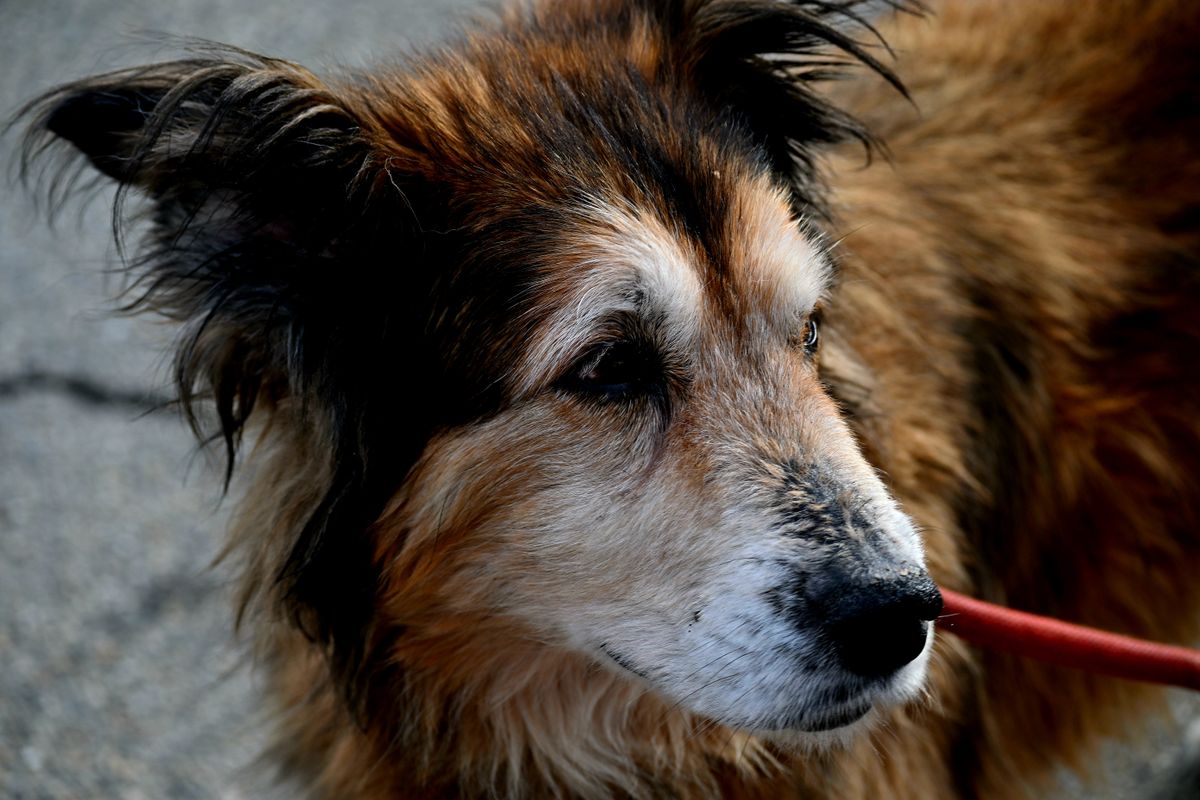
For day-to-day care of an older dog through recovery, see the MyPetsCreature guide to old dog vestibular disease.
Red Flags: Go to the Emergency Vet Now
Go now if you see any of these:
- Vertical nystagmus — the eyes flick up and down
- Limb weakness or dragging
- A dull or confused state
- A drooping face
- Signs that keep getting worse hour by hour
Any sudden loss of balance needs a same-day vet visit. Signs can settle and then come back, and only a vet can tell which cause is at work. When you compare vestibular disease vs stroke in dogs, these red flags always mean go now.
Frequently Asked Questions
What is the difference between a stroke and vestibular disease in dogs?
A stroke is a problem with blood flow in the brain, and it is rare. Vestibular disease affects the balance system in the inner ear or brain, and it is far more common in older dogs. Both can cause a head tilt and stumbling, but limb weakness and a dull, confused state point more toward the brain.
How can you tell if a dog had a stroke or vestibular disease?
Watch the eyes, the legs, and the mind. Horizontal or rotary eye flicking, a strong head tilt, and normal leg strength lean toward vestibular disease. Vertical eye flicking, eyes that will not line up, and weak or dragging legs point toward the brain. Film the eyes, then let the vet decide the same day.
Can vestibular disease look like a stroke?
Yes, very often. Vestibular disease can look like a stroke because both can start in seconds, with a head tilt, circling, falling, and flicking eyes. The two problems need different care, so a same-day vet exam matters even when the dog starts to look better. Telling vestibular disease vs stroke in dogs apart takes a vet exam.
Is a head tilt always vestibular disease?
No. A head tilt is a strong clue for vestibular disease, but it is not proof. An ear infection or a brain problem can also tilt the head. A vet checks the ears, the eyes, and the nerves to find the cause. Never assume a head tilt will pass on its own.
How long does vestibular disease last vs stroke recovery?
Idiopathic vestibular disease is often worst in the first 24 to 48 hours, shows clear improvement within about 72 hours, and largely clears up within 1 to 3 weeks. Stroke recovery is more variable and often takes 4 to 6 weeks.
When should I take my dog to the emergency vet?
Go to the emergency vet at once if you see vertical eye flicking, eyes that will not line up, weak or dragging legs, a drooping face, or a dull or confused state. Go if the signs keep getting worse hour by hour. Any sudden loss of balance needs a same-day vet visit.
Conclusion
Vestibular disease vs stroke in dogs can look almost the same. Remember the clearest clues: horizontal or rotary eye flicking with normal leg strength leans toward vestibular disease, while vertical flicking, weak legs, and a dull state point to the brain. Film the eyes and keep your dog safe until the vet visit.
General information only — not veterinary advice

MyPetsCreature is a trusted digital resource dedicated to providing well-researched, human-centric insights into pet care, health, and behavior. Our team of passionate pet enthusiasts delivers reliable advice, comprehensive guides, and essential tips to help pet parents worldwide ensure the well-being and happiness of their companion animals.