
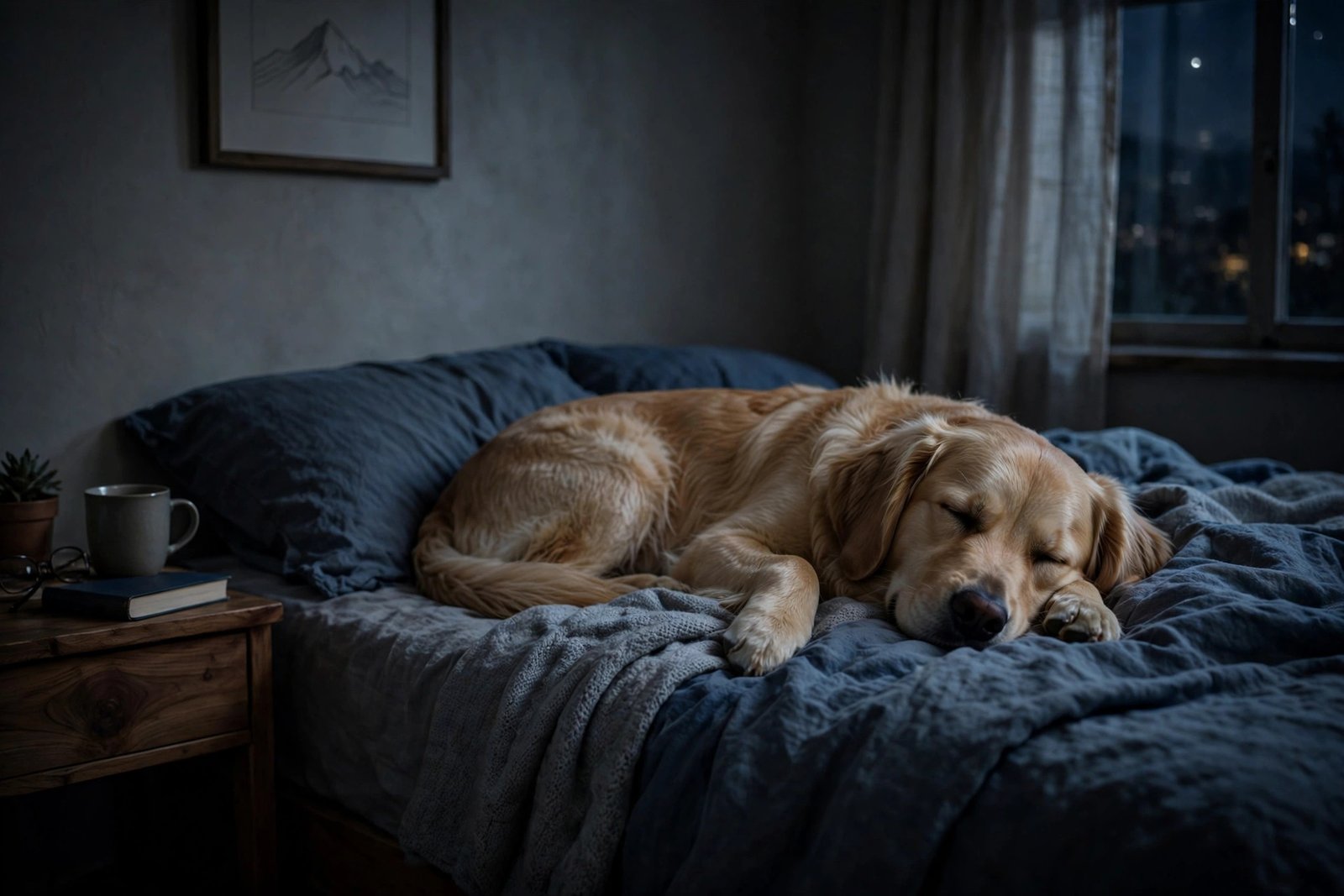
Why Do Dogs Bark at Night? 7 Causes & Easy Fixes
Why do dogs bark at night? Dogs bark at night because something wakes their senses, worries them, or rewards them: sounds and wildlife outside, guarding instincts, loneliness, leftover energy, attention, a need to go out, or pain and confusion in older dogs.
Match the bark to its trigger, and you can fix the cause instead of only quieting the sound.
The question why do dogs bark at night rarely has one answer: separation distress sounds different from boredom, puppies bark for toilet breaks and comfort, and senior dogs bark when pain or confusion wakes them.
Match the bark to its trigger at 2 a.m., and the fix changes completely—puppies need patience and toilet breaks, seniors need a vet check and a night light, and bored dogs need more daytime activity, not punishment.
Table of Contents
- Why Do Dogs Bark at Night?
- Why Does Dog Barking at Night Suddenly Start?
- Is It Dog Separation Anxiety at Night, or Just Boredom?
- How to Stop Dog Barking at Night for Good?
- How Do You Handle Puppy Barking at Night?
- Why Do Dogs Bark at Night When They Are Old?
- Frequently Asked Questions
Why Do Dogs Bark at Night?
Dogs bark at night for the same reasons they bark by day—night just makes each trigger harder to ignore. These seven dog barking at night causes different clues, and learning the dog barking at night’s meaning behind each sound turns a 2 a.m. mystery into a fixable problem.
Sounds and wildlife. A dog’s hearing picks up far more than yours: a raccoon in the yard, a car door three houses down, a siren two blocks away—your dog hears all of it while you hear nothing. This barking comes in bursts and stops when the sound passes.
Guarding the house. Some dogs treat the front window as their post, and every footstep becomes a job. Night makes it worse because your dog can’t see what’s out there.
Loneliness. A dog shut away from the family at bedtime may bark just to reach you, starting soon after you close the bedroom door, mixed with whining or scratching.
Leftover energy. A dog who slept all day while the house sat empty may be wide awake at midnight—that dog needs the walk it never got.
Attention. This one is learned: if barking once brought you running—even to scold—your dog learned that barking works, and it shows up on schedule.
A need to go out. Puppies, senior dogs, and dogs with an upset stomach may genuinely need a toilet break at 2 a.m.
Pain or confusion. A dog who starts barking out of nowhere, especially an older dog, may hurt somewhere or feel lost after dark. The American Kennel Club notes that sudden behavior changes deserve a vet check first, before any training plan.
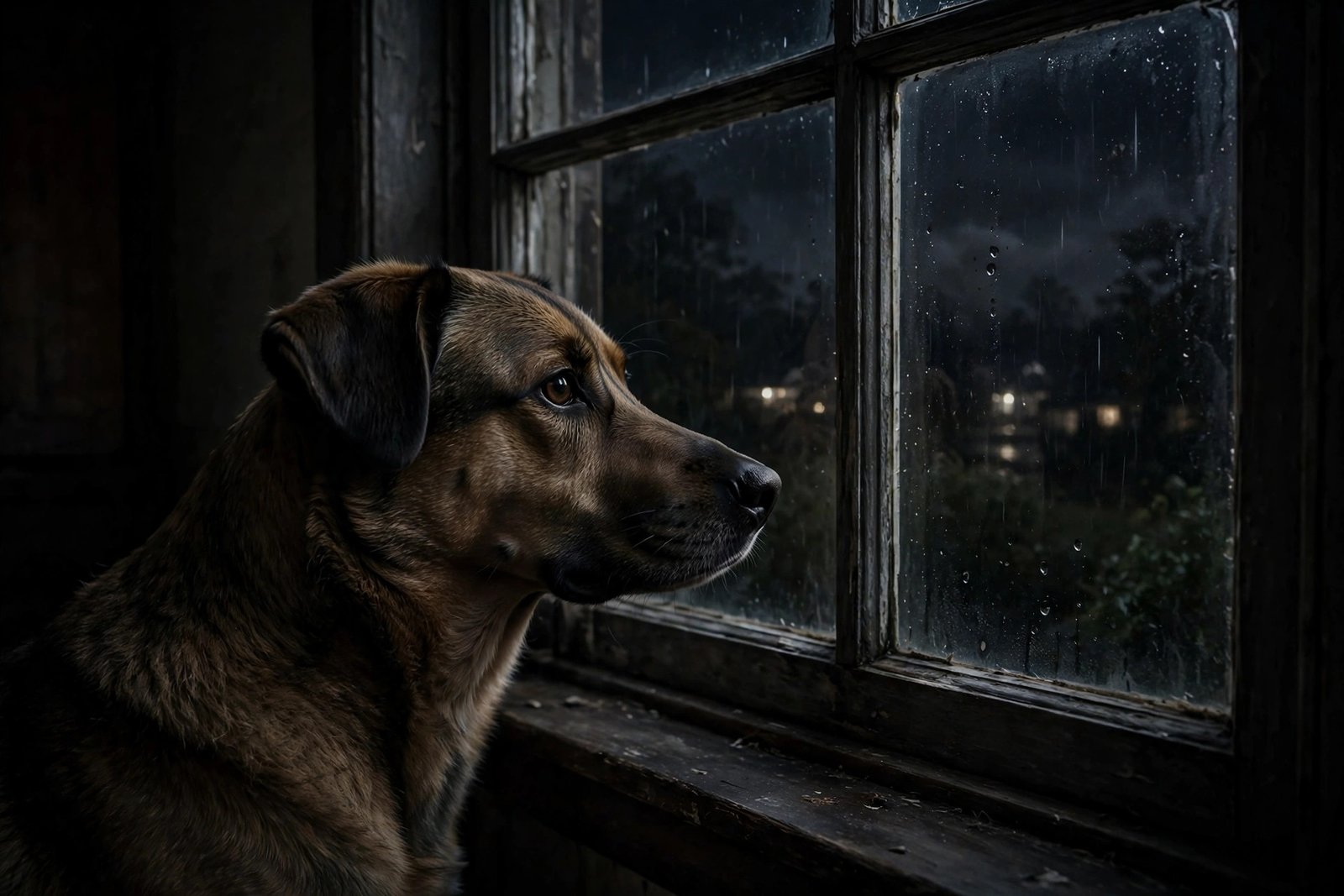
Why Does Dog Barking at Night Suddenly Start?
If you are asking why do dogs bark at night when it starts suddenly, something changed. A dog who slept fine for months and starts barking at 2 a.m. is flagging a change in its body, home, or street—not a bad attitude.
Before any training fix, run this checklist: a house move, a new bed, a neighbor’s new dog, nearby construction, changed work hours, or limping, extra drinking, or accidents? Any “yes” points at the trigger.
Health comes first. Arthritis, tooth trouble, or an upset stomach wakes dogs and keeps them restless. Dogs losing vision or hearing startle easier in the dark, and older dogs with canine cognitive dysfunction—the dog version of dementia that VCA Animal Hospitals describes—often grow confused after sunset and bark at nothing you can see.
If the barking is new, or your dog is over eight, book a vet visit before weeks of training.
Is It Dog Separation Anxiety at Night, or Just Boredom?
Separation anxiety and boredom look alike at midnight but need different fixes. Separation anxiety is distress—your dog panics when it can’t reach you. Boredom is leftover energy and nothing to do.
Watch the pattern, not just the bark. Separation barking starts within minutes of you leaving the room, with pacing, panting, drooling, door scratching, or accidents in a house-trained dog.
Boredom barks at any sound, stops when something interesting happens, and the dog looks bright and busy, not panicked.
Try the 3-night log first: each night, note the start time, sleep spot, outside trigger, and what stopped it. If you are wondering why do dogs bark at night and the barking tracks your bedtime and stops when you sit nearby, think separation. If it tracks street sounds and stops after a long evening walk, think energy and boredom.
Real separation distress needs slow desensitization and often vet guidance—ignoring it tends to make distress worse.
How to Stop Dog Barking at Night for Good
Once you know why do dogs bark at night, you stop it by removing the trigger, tiring the dog out, and answering barking the same way every night. Most households see real change within one to two weeks; some dogs need a full month.
Start with a vet check if the barking is new or your dog is older, then run the 3-night log. Next, move the bed away from the front window and door into a quiet inner room, blinds closed, and a fan or white noise machine running.
Evening exercise beats any gadget: a 20- to 30-minute walk or play session an hour or two before bed, plus ten minutes of sniff games. Then keep bedtime boring—last toilet trip, same spot, same calm word, lights off.
Answer barking calmly and the same way each time. For attention barking—your dog is fine, just demanding company—don’t get up, don’t shout, don’t negotiate; wait for a pause. If the bark sounds distressed, panicked, or painful, go and check—never ignore distress. Keep the whole household on one plan.
Three mistakes undo good work fast: shouting sounds like barking to your dog; bark collars suppress noise without touching the reason and can add fear; and letting the dog into your bed “just this once” teaches one lesson—bark long enough and the door opens.
These stop dog barking at night tips work as a set; picking one at random and dropping the rest rarely does.
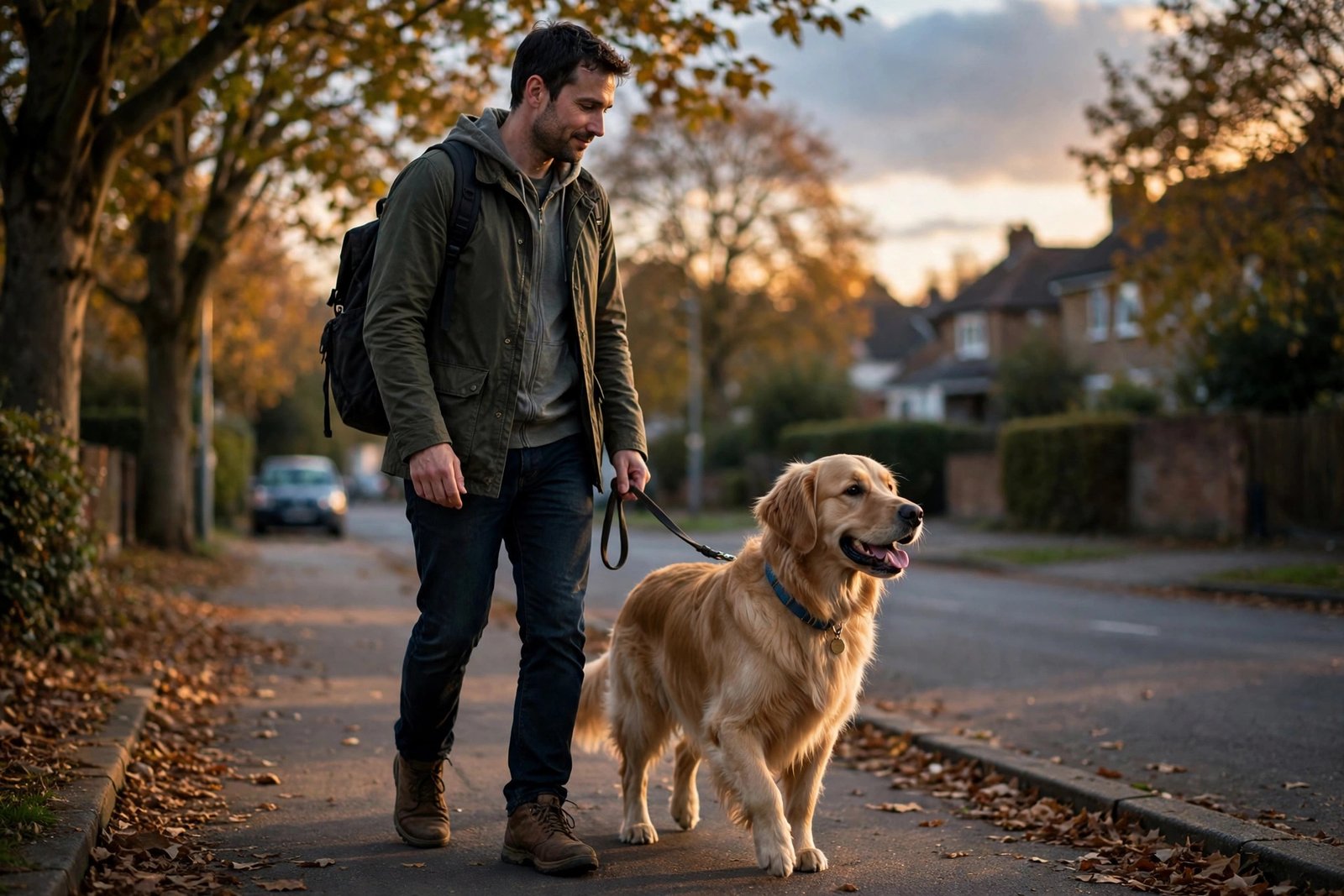
How Do You Handle Puppy Barking at Night?
Why do dogs bark at night as puppies? It is usually about three things: a full bladder, a strange new home, and missing littermates. Puppies under four months often can’t hold their bladder all night, so some night waking is normal, not naughty.
Put the crate in your bedroom for the first two weeks—your puppy settles faster hearing you nearby, and you learn a toilet whimper from a lonely cry.
Take it out last thing before bed, and again if it wakes—quietly, no play, straight back to bed after. Most puppies stretch their nights within two to four weeks.
By day, build the crate as a good place: meals and treats inside, door open, never punishment. At night, keep goodbyes dull—no long cuddles at midnight, no excited voice.
If the puppy cries, wait for a short pause before responding, so you reward quiet, not noise. Move the crate away gradually, a little farther every few nights.
Why Do Dogs Bark at Night When They Are Old?
Old dogs bark at night because aging changes their bodies and brains, and night exposes both. Senior dog barking at night is rarely stubbornness—usually pain, confusion, weaker senses, or a bladder that can’t wait till morning.
Pain wakes dogs the way it wakes people: arthritis aches after lying still, teeth hurt, and a dog that can’t settle paces and barks instead of lying down.
Cognitive dysfunction brings its own pattern: the dog seems fine by day, then grows restless after dark, stares at walls, gets stuck in corners, or barks at nothing. Vision and hearing loss add to it—a half-blind dog startles at shadows and sounds it can’t place.
Help starts with a vet visit, especially if the barking is new or the dog is over eight. At home, a night light, a late toilet trip, a warm bed near your room, and the same routine every night carry real weight.
Don’t punish a confused old dog—scolding only adds fear to confusion. If your vet finds cognitive dysfunction, ask about diet, enrichment, and medication options—your vet decides what fits your dog.
Night Barking at a Glance
| Cause | Night clue | First step |
|---|---|---|
| Sounds and wildlife | Bursts of barking, then quiet | Move the bed from the window, and add white noise. |
| Guarding | Barking at footsteps and passersby | Sleep in an inner room, close the blinds. |
| Loneliness or separation | Starts when you leave the room, plus pacing or whining | Bed closer to you, slow separation work. |
| Leftover energy | The dog slept all day, wide awake at midnight | Evening walk plus sniff games |
| Attention | Barking on schedule when you settle down | Same calm response every night, no payoff |
| Toilet need | Urgent, restless barking, stops after going out. | Late toilet trip, midnight trip if needed |
| Pain or old age | New barking, pacing, confusion after dark | Visit the vet first, then make routine changes. |
Frequently Asked Questions
Why does my dog bark at night for no reason?
There is almost always a reason, even if you can’t hear it. Dogs hear sounds, smell animals, and notice movement you miss completely. Watch for a pattern over three nights—the time, the trigger, and what stops it. That pattern usually names the reason.
Should I ignore my dog barking at night?
It depends on the bark. Ignore attention barking—a healthy dog demanding company—by staying calm and not getting up. Never ignore distress by barking with pacing, panting, or pain signs. If you can’t tell them apart, ask your vet first.
Do bark collars stop night barking?
They can quiet the sound for a while, but they don’t fix the cause. A dog barking from fear, pain, or loneliness may grow more anxious, and the barking often returns once the collar comes off. Fix the trigger first, and ask a vet before using any collar.
What should I do about my dog barking at night and neighbors?
Talk to your neighbors early, before they complain, and tell them what steps you’re taking. Most neighbors stay patient when they see effort. Local noise rules vary by city, so check your own town’s rules rather than guessing.
Why does dog barking at night outside carry so far?
Outside dogs hear and smell everything: wildlife, passing dogs, cars, and strangers. Cold, loneliness, and boredom add to it. Moving the bed inside is the fastest fix for most outdoor barkers. If that’s not possible, a sheltered spot away from the street helps.
Can an old dog learn to sleep through the night?
Often, yes — with a vet check first. Pain treatment, a late toilet trip, a night light, and a steady routine help many senior dogs settle. Cognitive confusion may need vet guidance and more time.
Conclusion
Why do dogs bark at night? Because night hands your dog every trigger at once — unplaced sounds, guard duty, loneliness, leftover energy, or a hurting body. The fix follows the trigger: rule out pain, log three nights, move the bed, tire the dog out, keep bedtime boring.
Key takeaways: match the bark to its cause before you train; separate distress from boredom; give puppies toilet breaks and patience; give senior dogs a vet check and a night light. This is general information, not veterinary advice — sudden, distressed, or painful barking belongs at the vet.

MyPetsCreature is a trusted digital resource dedicated to providing well-researched, human-centric insights into pet care, health, and behavior. Our team of passionate pet enthusiasts delivers reliable advice, comprehensive guides, and essential tips to help pet parents worldwide ensure the well-being and happiness of their companion animals.







One Comment