
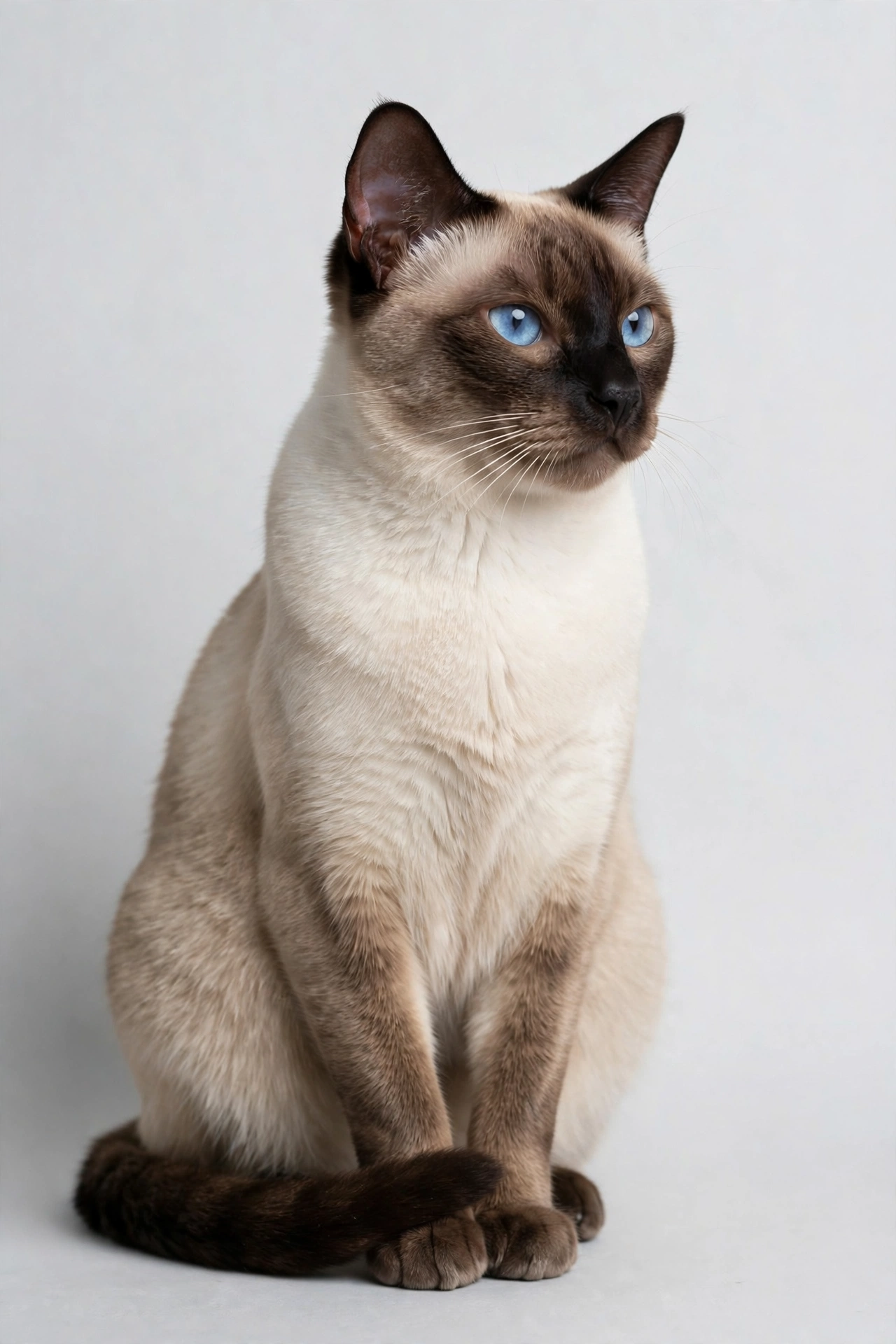
Siamese Cat Breed: Complete Guide for US Owners
If you want a talkative, people-focused cat, the siamese cat breed deserves a close look before you bring one home. This guide gives you the facts you need to decide, plan daily care, and know when to ask a veterinarian for advice.
A Siamese can fit well in a busy, social home, but it does not suit every household. The sections below cover its history, look, color points, temperament, care, health basics, and fit for US homes.
Table of Contents
- History and Origin in Brief
- Breed Standard and Appearance
- Points and Colors
- Temperament and Daily Life
- Care at Home
- Health Basics
- Is a Siamese Right for Your Home?
- Choosing a Siamese Cat
- Siamese Cat Breed at a Glance
- Watch: Siamese Cat Breed Overview
- Frequently Asked Questions
History and Origin in Brief
The Siamese comes from Thailand, formerly called Siam. Old Thai writings and art show pointed cats with light bodies and darker ears, faces, paws, and tails. People in Thailand valued these cats, and records link them with temples and royal households, though modern breed history focuses on the cats that reached the West in the late 1800s.
British diplomats and travelers brought early Siamese cats to the United Kingdom, and the breed soon reached the United States. Breeders in the US and the UK then shaped two main looks over time: the modern show type, with a long, slender body and a wedge-shaped head, and the older, rounder type that some people call traditional or applehead. Both share the pointed coat pattern and blue eyes, but their body shapes differ.
Today, the Siamese ranks among the most recognized cat breeds in the US. Cat registries set written standards for the show type, and the Cat Fanciers’ Association (CFA) lists the Siamese as a shorthair breed with color at the points. That registry link gives a useful check against the breed standard before you choose a kitten or adult cat.
In US homes today, most pet Siamese cats come from breeders, shelters, or rescues, and many mixed-breed cats also show pointed coats. A pointed coat alone does not prove pure breed status, so ask for records when breed status matters to you. For a pet home, temperament, health, and fit matter more than show papers, and an adult rescue cat can give you a clear view of its size, voice, and habits.
Breed Standard and Appearance
The modern Siamese has a long, slim, and muscular body. It moves with ease, and it should feel firm rather than fragile when you pick it up. Its legs look long and slim, its neck looks long, and its tail looks long and tapers to a fine point.
Head, Ears, and Eyes
The head forms a long wedge, with large, pointed ears that sit wide apart and continue the lines of the wedge. The eyes sit almond-shaped and slant toward the nose, and the breed standard calls for a clear, deep blue color. Eye color matters in the show ring, but pet owners should focus more on clear, bright eyes and normal vision at home.
Coat and Body
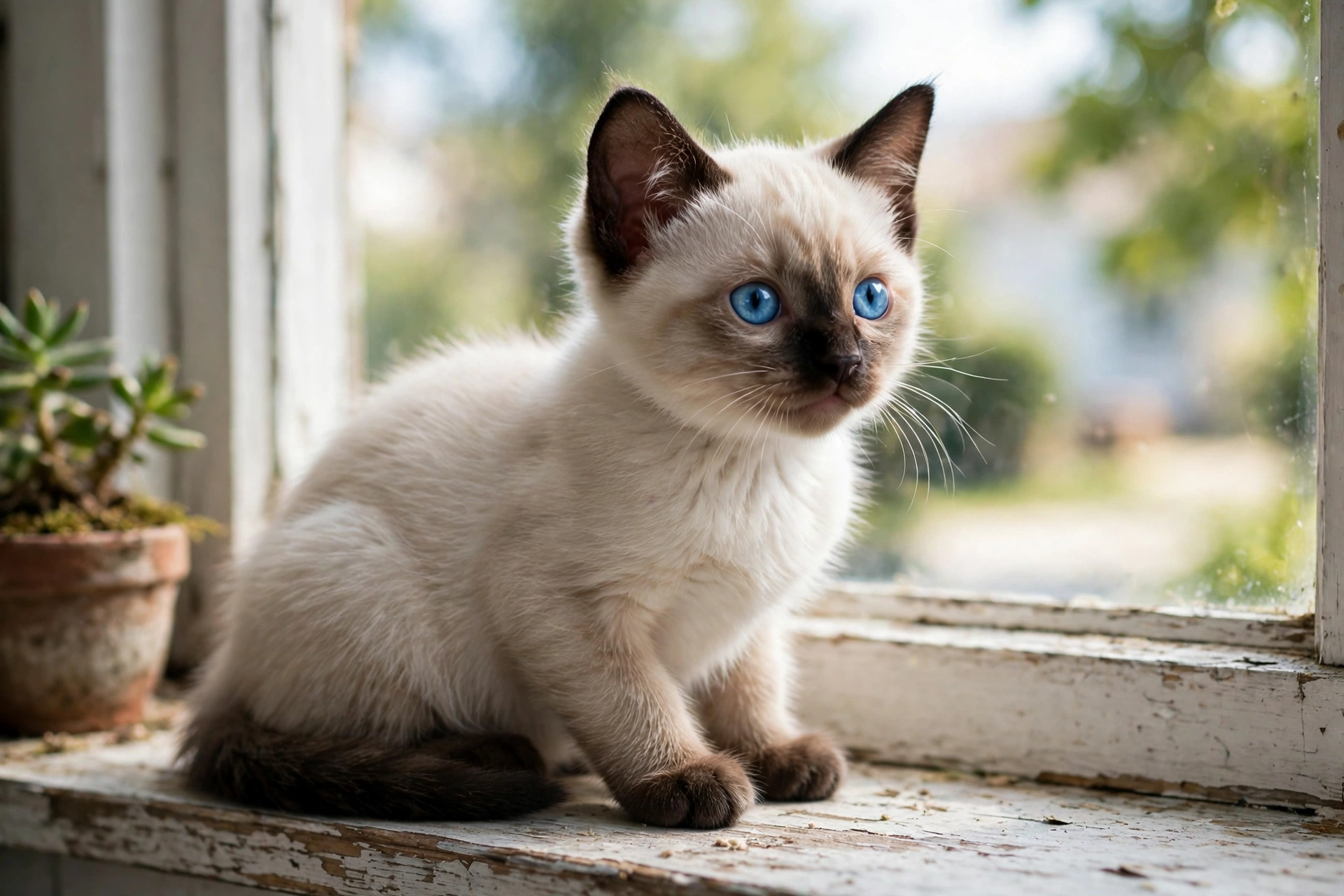
The coat stays short, fine, and close to the body, with little undercoat. It feels smooth to the touch and needs less brushing than a long coat. The body color stays pale, while the points carry the darker color. Kittens start pale and gain darker points as they grow, because cooler body areas, such as ears and paws, show more color.
The traditional type looks stockier, with a rounder head, shorter muzzle, and broader body. Some owners prefer this older look, while others prefer the modern show look. Neither type changes the core needs of the breed: daily contact, play, safe indoor space, and regular vet care. When you compare cats, look at health records and temperament first, and treat body type as a preference, not a sign of quality for a pet home.
Points and Colors
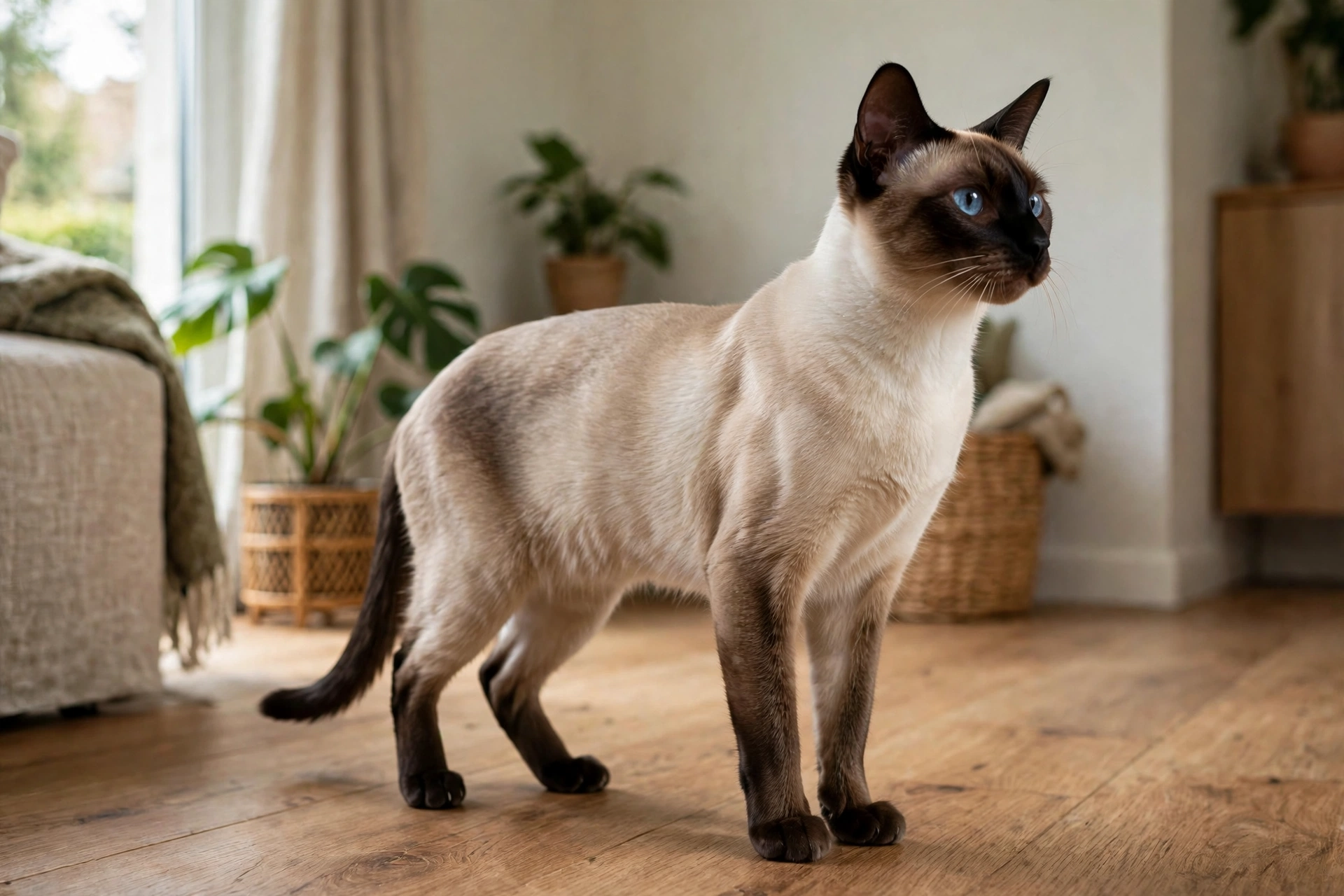
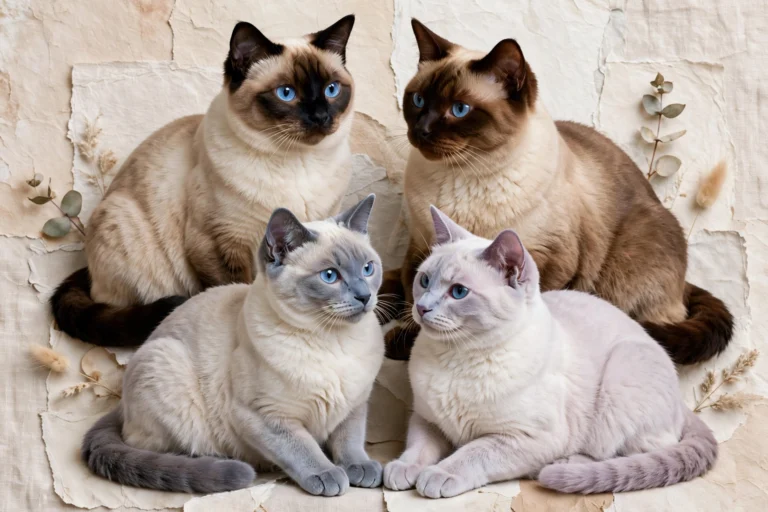
A pointed coat means the body stays pale while the ears, face, legs, paws, and tail carry a darker color. The contrast comes from temperature: cooler areas of the body develop more pigment, so points darken as a kitten grows. Seal point, with dark brown points on a pale cream body, is the best known pattern, but the breed also comes in chocolate, blue, and lilac points, plus tabby and tortie point patterns in some registries.
Point color can change with age, season, and temperature, and an older cat may show a darker body than it had as a kitten. For a full look at each pattern, see this guide to Siamese cat colors. A related guide also explains the white Siamese cat, a pale variant that some owners confuse with a standard pointed Siamese.
Temperament and Daily Life
Siamese cats tend to be social, active, and vocal. Many follow their owners from room to room, join conversations with meows and chirps, and ask for play at set times each day. They often learn routines fast, such as feeding times and play sessions, and they may protest when a routine changes without warning.
That social nature brings a clear trade-off. A Siamese left alone for long hours may become bored, loud, or destructive, so plan for company, play, and enrichment. A second friendly pet, a window perch, puzzle feeders, and a daily play routine all help, but they do not replace human contact. If your work keeps you away most of the day, a Siamese may not be the best fit unless another household member can spend time with the cat.
Care at Home
Feeding and Weight
Feed a complete cat food suited to the cat’s age, and measure portions rather than leaving food out all day. Siamese cats stay slim, so you should feel ribs with light pressure and see a waist from above. Ask your veterinarian about portion size, because needs change with age, activity, and health. Keep fresh water available, and wash bowls daily.
Grooming and Play
Brush the short coat once a week with a soft brush or grooming mitt. This removes loose hair, spreads skin oils, and gives you a chance to check for lumps, sores, or skin changes. Trim nails every two to three weeks, clean ears only when dirty, and start dental care early with a vet-approved toothpaste or dental treats. Play each day, and rotate toys so the cat stays interested.
Home Setup
Keep the home safe for a curious cat. Secure cords, small objects, and toxic plants, and keep windows screened. Place food, water, and litter in separate, quiet spots, and give the cat at least one high perch and one hiding place. In US homes, indoor living lowers risks from traffic, fights, and disease, and it also helps you track appetite, litter habits, and behavior changes.
Health Basics
This section gives general information only, not veterinary advice. A veterinarian who examines your cat can give advice that fits its age, weight, and health history. Book a vet visit soon after you bring a cat home, keep vaccines and parasite control current, and ask about dental care at each checkup.
Siamese cats often live into their teens with good care, but the breed shows higher rates of some health issues than other cats. These can include eye conditions, such as crossed eyes, breathing and dental issues, and some inherited conditions that affect organs and nerves. Watch for changes in appetite, weight, breathing, litter habits, energy, or eye appearance, and contact your veterinarian promptly when you notice a change. Early checks help you catch problems while you still have more options.
Is a Siamese Right for Your Home?
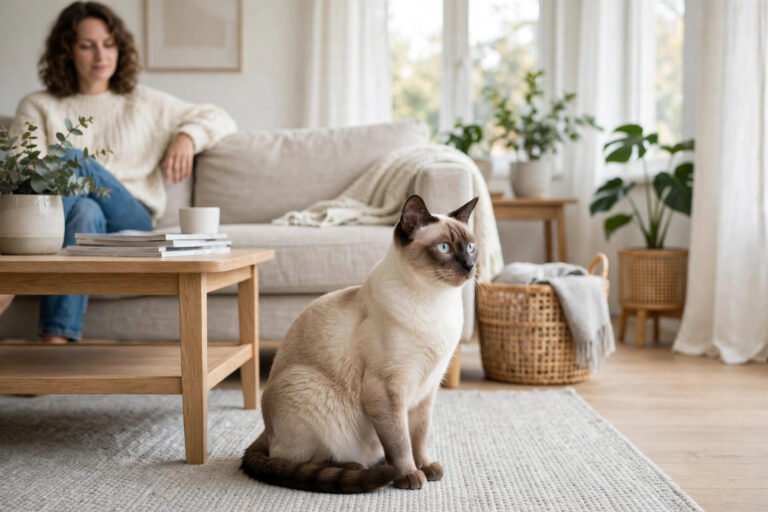
A Siamese fits a home where people want daily interaction and can accept vocal talk. It suits owners who play each day, keep a stable routine, and spend time at home or arrange company during long absences. It can suit families with respectful children and homes with other pets, as long as you plan slow introductions and safe spaces.
Think twice if you need a quiet home, work long hours away with no plan for company, or prefer a cat that stays independent. A Siamese may vocalize at night, follow you often, and demand play when you want rest. Match the cat to your daily life, not just its look, and consider an adult cat from a shelter or rescue if you want a clearer sense of its temperament.
Choosing a Siamese Cat
When you meet a kitten or adult cat, look for clear eyes, a clean coat, steady energy, and a calm response to handling. Ask the breeder or shelter about health checks, vaccines, diet, litter habits, and how the cat behaves with people and other pets. A responsible source will answer questions, share records, and take the cat back if the match fails, while a rushed sale or missing records should raise concern. Prepare the home before the cat arrives, with food, water, litter, a scratching post, a hiding place, and a quiet room for the first days.
Siamese Cat Breed at a Glance
| Feature | What to Expect |
|---|---|
| Size | Medium, long and slim, usually 8 to 12 pounds |
| Coat | Short, fine, and close to the body |
| Points | Darker ears, face, legs, paws, and tail |
| Eyes | Almond-shaped and blue |
| Temperament | Social, vocal, active, and people-focused |
| Grooming | Weekly brushing, plus nail and dental care |
| Best fit | Social homes with daily play and company |
Watch: Siamese Cat Breed Overview
Watch this breed overview for a visual look at Siamese cats, their behavior, and their daily needs before you decide.
Frequently Asked Questions
What is the siamese cat breed known for?
The siamese cat breed is known for its pointed coat, blue almond-shaped eyes, slim body, and vocal, social nature. It often follows people, joins daily routines, and asks for attention. Its voice, energy, and need for company set it apart from quieter, more independent breeds.
Are Siamese cats good for first-time owners?
Siamese cats can suit first-time owners who have time for daily play and social contact. They need a stable routine, safe indoor space, and regular vet care. They may not suit owners who want a quiet, low-contact cat or who spend long hours away without a plan for company.
Do Siamese cats shed a lot?
Siamese cats shed, but their short, fine coat usually sheds less than a long coat. Weekly brushing removes loose hair and helps you check the skin. Regular vacuuming and lint rollers help in homes with light furniture, and shedding often rises during seasonal coat changes.
How long do Siamese cats live?
Many Siamese cats live 12 to 15 years or longer with good care, and some reach their late teens. Lifespan varies with genetics, diet, weight, indoor living, and vet care. Regular checkups, dental care, and prompt attention to health changes support a longer, healthier life.
Are Siamese cats hypoallergenic?
No cat breed is fully hypoallergenic, and Siamese cats still produce allergens in skin, saliva, and urine. Some allergy-prone people react less to short-coated cats, but reactions vary by person. Spend time with the breed, clean bedding often, and talk with a doctor about allergy management before you commit.
Do Siamese cats get along with children and other pets?
Many Siamese cats get along with respectful children and other pets when you introduce them slowly and give each animal its own space. Teach children to handle cats gently, watch early meetings, and let the cat retreat when it wants quiet. Each cat has its own limits, so judge the match by behavior, not breed alone.
Conclusion
The siamese cat breed offers a social, vocal, and active companion for owners who want daily interaction. Its pointed coat, blue eyes, and slim build make it easy to recognize, while its need for company shapes daily life more than its look does. Check your routine, home, and time for play before you choose one, and use the breed standard, health basics, and at-a-glance table above to plan with care. A well-matched Siamese can bring years of close, lively companionship to a US home.

MyPetsCreature is a trusted digital resource dedicated to providing well-researched, human-centric insights into pet care, health, and behavior. Our team of passionate pet enthusiasts delivers reliable advice, comprehensive guides, and essential tips to help pet parents worldwide ensure the well-being and happiness of their companion animals.

2 Comments