
Siamese Cat Types: Point Colors and Body Types Guide
Choosing among siamese cat types can feel hard when breeders, shelters, and registries use different words for the same cat. A point color, a body shape, and a coat length can each change the label, even when the cat shares the same pointed pattern and blue eyes. This guide sorts those labels so you can compare cats with clear terms and ask better questions before you adopt or buy.
You will learn the four main point colors, how traditional and modern body types differ, and where longhair relatives fit. You will also find a short comparison table and direct answers to common questions, so you can narrow your choice to the type that fits your home and daily routine.
Table of Contents
- Understanding Siamese Cat Types
- Siamese Cat Types by Point Color
- Traditional vs Modern Siamese Cat Types
- Longhair Variants Related to Siamese Cats
- How to Choose the Right Type for Your Home
- Siamese Cat Types at a Glance
- Frequently Asked Questions
Understanding Siamese Cat Types
A Siamese cat has a pointed coat. The body stays pale, while cooler areas — the ears, face mask, legs, paws, and tail — carry darker color. Heat affects this pattern. Kittens often look pale at birth, then their points darken as they grow. Adult cats can also gain darker body shading with age or in a cool home.
People use the word “type” in three main ways. First, point color describes the color of the dark areas. Second, body type describes head shape, bone structure, and overall build. Third, coat length separates shorthaired Siamese cats from longhair relatives. A single cat can belong to one group in each system at the same time. For example, a cat can be a seal point, traditional type, and shorthaired.
Registries do not use every label in the same way. CFA recognizes four Siamese point colors, while other registries accept a wider range. For a pet home, focus more on health, temperament, and daily care than on a rare label.
Siamese Cat Types by Point Color
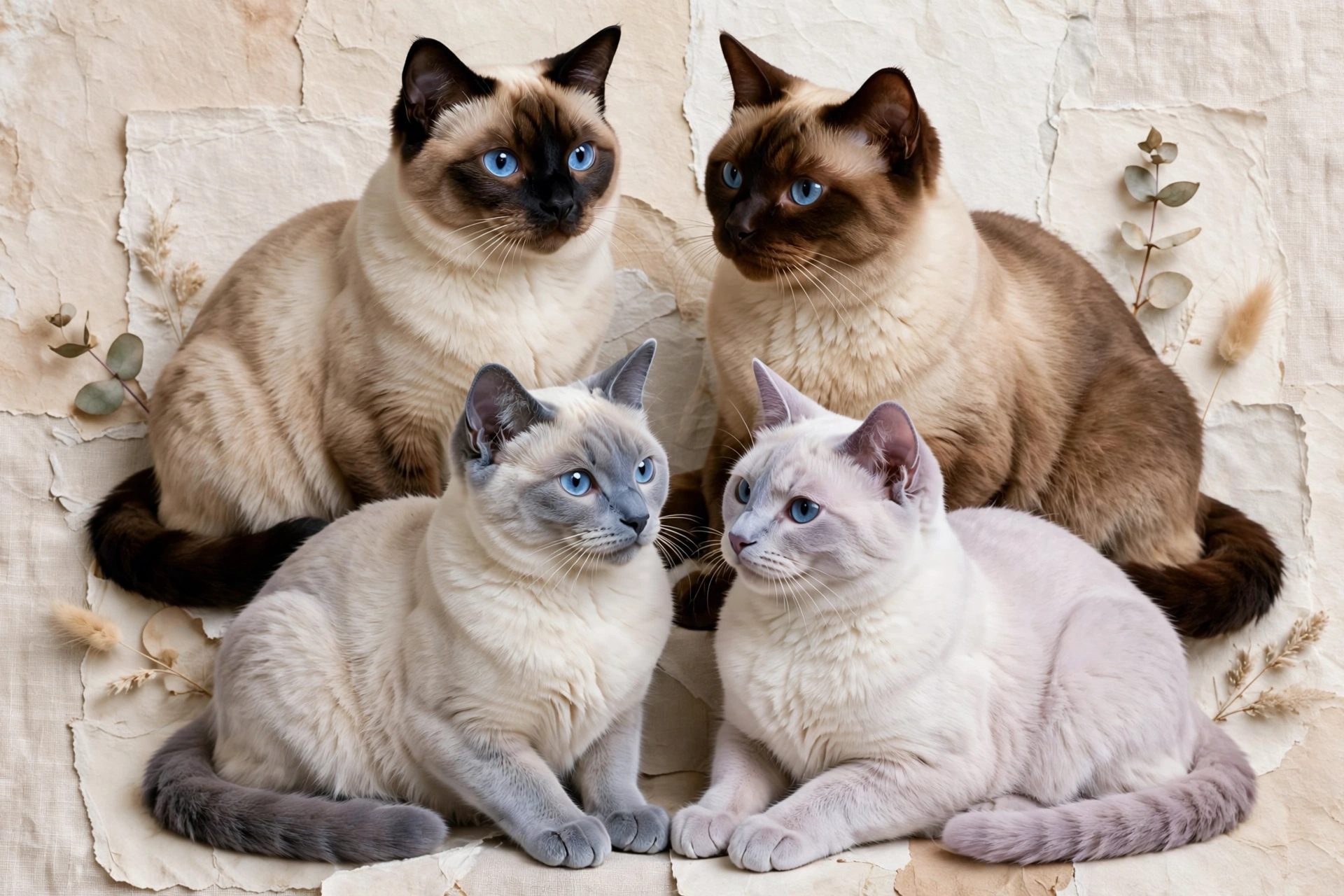
Point color gives the fastest way to tell Siamese cats apart at a glance. All four CFA colors share blue eyes and a pale body, but the tone of the points and the body changes the look. For a closer look at each shade, see the Siamese cat colors guide. The CFA Siamese breed standard sets out the accepted colors and body traits in full.
Seal Point
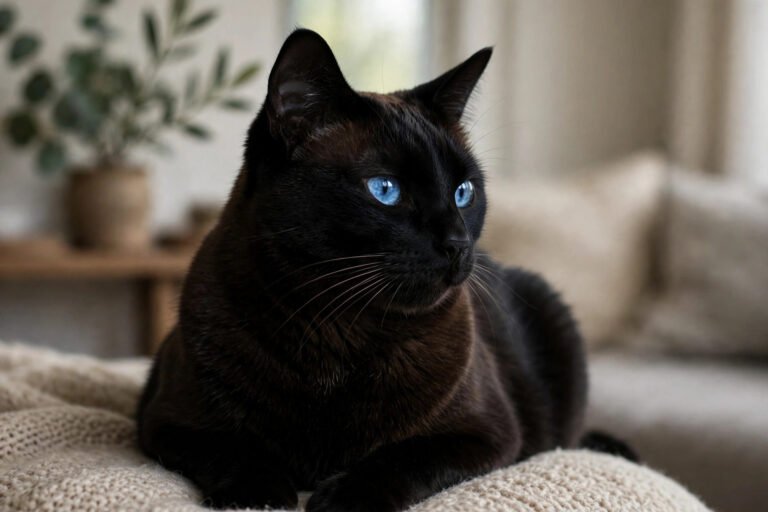
Seal point is the classic Siamese look. The points show deep, dark brown, close to black in some light. The body ranges from cream to pale fawn, and it may darken with age. Nose leather and paw pads match the dark brown points, and seal points often show the strongest contrast between body and points.
Chocolate Point
Chocolate point looks warmer and softer than seal point. The points show milk-chocolate brown, while the body stays clean ivory. Nose leather and paw pads show a cinnamon-pink tone. Young chocolate points can look pale, so a breeder may need time to confirm the color.
Blue Point
Blue point carries slate-gray points with a cool, blue cast. The body ranges from bluish-white to cool off-white, and the nose leather and paw pads show slate gray. Blue is a dilute form of seal, which means a gene softens the dark pigment. The result looks cool and muted.
Lilac Point
Lilac point is the palest of the four main colors. The points show pale, warm gray with a pinkish tint, and the body looks glacial white. Nose leather and paw pads show lavender-pink. Lilac points can look almost white in bright light, which leads some people to mistake them for white cats. A white Siamese cat is a different topic, and pale lilac cats do not carry the same white-coat gene as a solid white cat.
Other Point Colors and Patterns
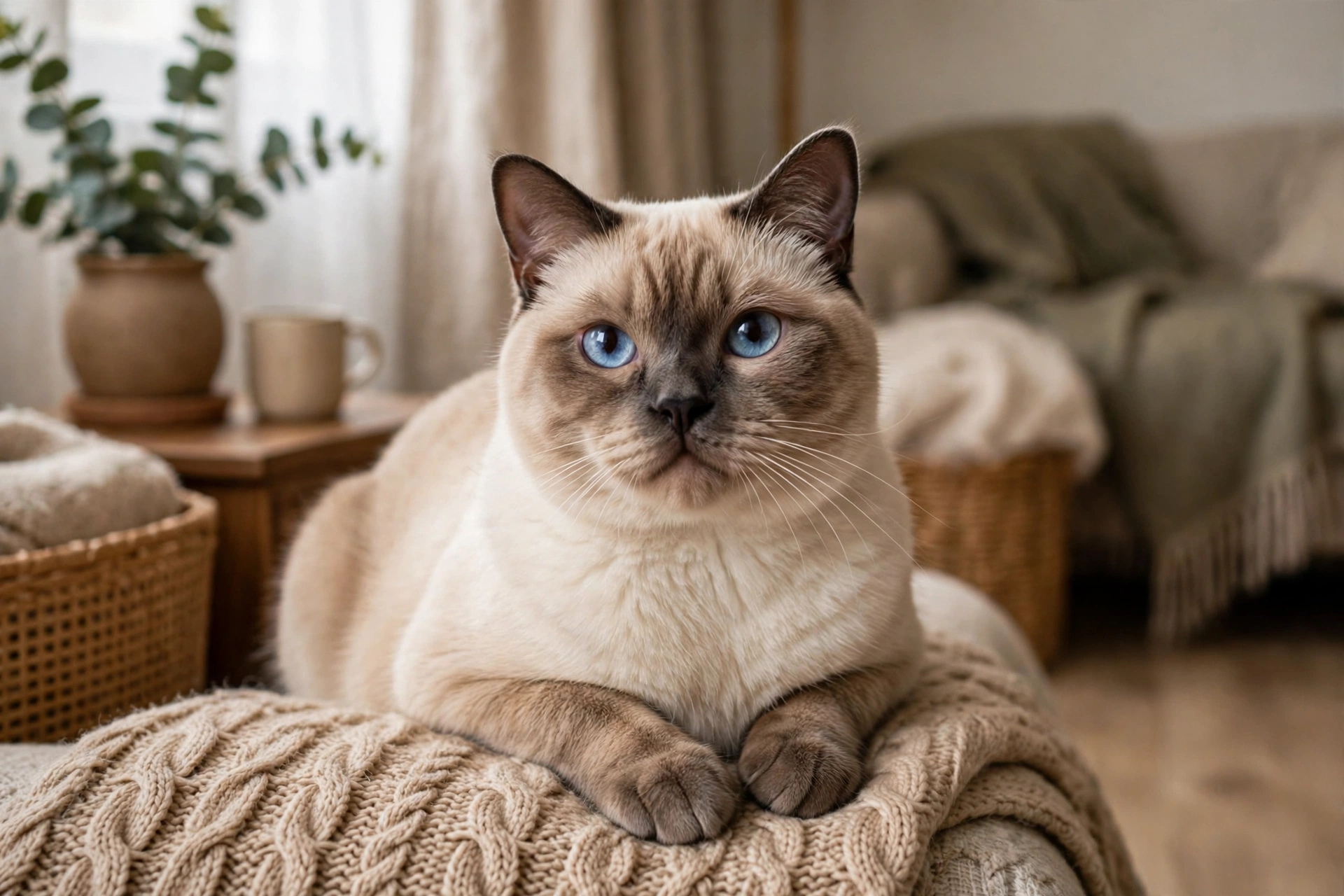
Other point colors exist, even when CFA does not list them as Siamese colors. Red point, also called flame point, shows warm reddish-cream points. Cream point shows a softer, paler version of red. Lynx point, also called tabby point, adds tabby stripes to the points. Tortie point shows patches of red or cream mixed with a base point color. In CFA, many of these cats fall under Colorpoint Shorthair, a related breed with the same body type as the Siamese. In some other registries, they may appear under the Siamese name, so read the color name on the papers rather than relying on a listing title alone.
Traditional vs Modern Siamese Cat Types
Body type divides Siamese cats into two broad groups. Both groups share the pointed coat and blue eyes, but they look quite different in the head, body, and ears. Breeders developed the modern type through selective breeding for a more slender, angular look. Traditional cats kept a build closer to the early cats that reached the United States and Europe.
Traditional Siamese, Also Called Applehead or Thai
Traditional Siamese cats have a rounder head, a fuller face, and a medium, muscular body. Their ears sit a little lower and look less oversized than modern ears. Their muzzle looks rounded, and their eyes show a slightly rounder shape. Some people use the term applehead for this head shape, while others use Thai for cats that follow an older-style standard. Traditional cats often weigh a bit more than modern cats, and their build can feel sturdier in the hand. Their daily care needs match other shorthaired Siamese cats.
Modern Siamese, Also Called Wedgehead
Modern Siamese cats have a long, wedge-shaped head, large ears set wide apart, and a long, slim, tubular body. Their legs look long and fine, their tail looks long and thin, and their eyes show a slanted, almond shape. Show breeders value this refined, angular look, and it now defines the Siamese in many show rings. Modern cats need the same basic care as traditional cats: regular play, social time, a balanced diet, and routine vet checks.
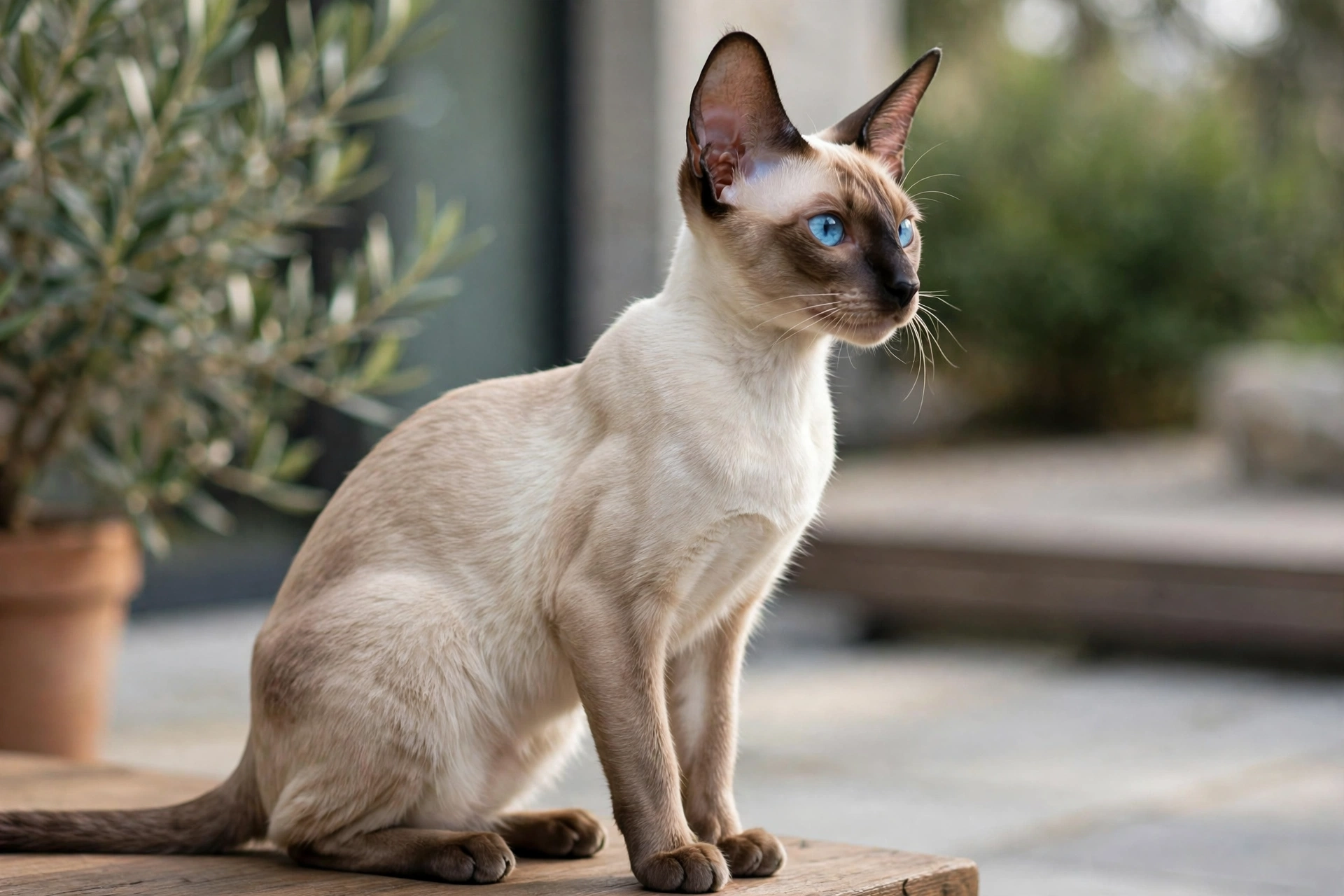
Neither body type is “better” in a general sense. Meet the cat, check health records, and look at the parents when you can.
Longhair Variants Related to Siamese Cats
Longhair Siamese-type cats share the pointed pattern and blue eyes, but they carry a longer coat. They need more grooming time, and a weekly brush matters, with more frequent checks around the neck, belly, and legs.
Balinese
The Balinese is the longhair version of the Siamese. It carries the same four main point colors — seal, chocolate, blue, and lilac — in a silky, semi-long coat. The coat lies close to the body and lacks the thick undercoat of many longhair breeds, so it often mats less than a dense long coat. Balinese cats share the Siamese voice, social nature, and high activity level.
Javanese and Colorpoint Longhairs
In CFA, the Javanese name covers longhair cats with point colors beyond the four main Siamese colors, such as red, cream, lynx, and tortie points. Other registries may group these cats under Balinese or use a different name. The key point for owners is simple: the cat has Siamese roots, a pointed coat, and a longer coat that needs regular care. Snowshoe cats also descend in part from Siamese cats, but they form a separate breed with white paws and a different pattern standard, so do not treat a Snowshoe as a Siamese type on color alone.
How to Choose the Right Type for Your Home
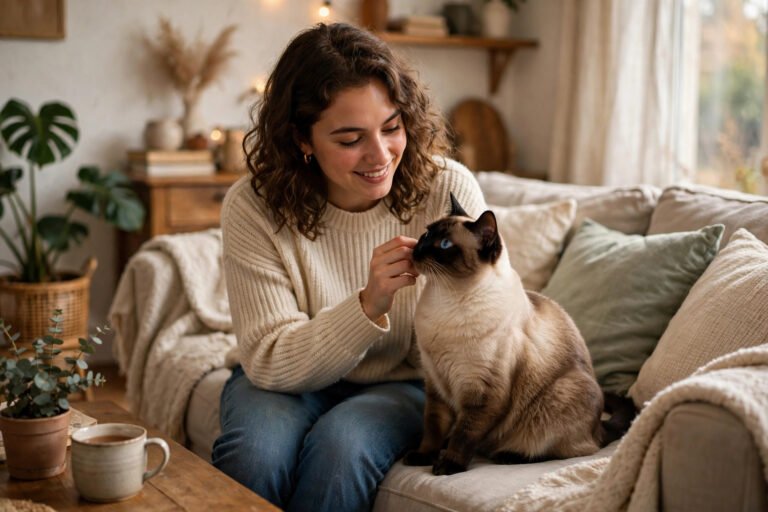
Start with your daily life, not with a color. Siamese cats, in all types, tend to seek company, talk often, and follow people from room to room. If you work long hours away from home, plan for play, window views, and puzzle feeders. If you want a quiet home, test your tolerance for a vocal cat before you commit.
Next, weigh grooming and looks. Shorthaired types need a quick weekly brush in most cases. Longhair types need more time and a calmer grooming routine. Point color changes looks, not basic care, so pick a color you enjoy. Body type changes looks and build, but it does not replace a health check or a temperament check.
When you meet a cat, ask for age, health records, vaccination history, and the parents’ health screening when available. Watch how the cat moves, eats, and responds to people. Ask about litter habits, diet, and any known health issues. A clear, direct answer matters more than a fancy label. For a visual overview of the main looks, watch this short guide to Siamese cat types.
Siamese Cat Types at a Glance
| Type | Points and Body | Build and Coat | Good to Know |
|---|---|---|---|
| Seal point | Dark brown points, cream to fawn body | Short coat, medium to slim build | Strongest contrast of the four main colors |
| Chocolate point | Milk-chocolate points, ivory body | Short coat, medium to slim build | Softer, warmer contrast than seal |
| Blue point | Slate-gray points, bluish-white body | Short coat, medium to slim build | Cool, muted look |
| Lilac point | Pale gray-pink points, glacial white body | Short coat, medium to slim build | Palest main color, can look near-white |
| Traditional / Applehead | Any main point color | Rounder head, sturdier body, short coat | Older-style build, fuller face |
| Modern / Wedgehead | Any main point color | Wedge head, large ears, slim body, short coat | Current show-ring look |
| Balinese / Javanese | Main colors or wider point colors | Siamese-type build, semi-long coat | Needs more grooming time |
Frequently Asked Questions
How many siamese cat types are there?
There is no single count, because type can mean point color, body shape, or coat length. CFA recognizes four point colors, and owners also group cats as traditional or modern, shorthaired or longhaired.
What is the most common Siamese cat type?
Seal point is the most familiar Siamese look, with dark brown points and a cream body. Many people picture a seal point when they think of a Siamese cat. Seal point cats appear often in shelters, rescues, and breeder listings across the United States.
What is the difference between traditional and modern Siamese cats?
Traditional Siamese cats have a rounder head, fuller face, and sturdier body. Modern Siamese cats have a wedge-shaped head, large ears, and a long, slim body. Both share the pointed coat and blue eyes, and both need the same basic daily care and social time.
Are longhair Siamese cats a separate breed?
Balinese cats are the longhair relatives of the Siamese, and CFA lists them as a separate breed. Javanese cats cover longhair cats with wider point colors in CFA. They share Siamese roots, but their papers and show standards differ from shorthaired Siamese cats.
Do Siamese point colors change with age?
Yes, points often darken during the first year or two, and the body can darken with age or in a cool home. Kittens start pale, then color develops on the ears, mask, legs, and tail. A final adult shade can take time, so avoid judging a young kitten’s color as fixed.
Does point color affect a Siamese cat’s personality?
No sound evidence links point color to personality in Siamese cats. Breed traits — social behavior, voice, and activity — vary more by cat, upbringing, and home life than by color. Meet the cat and ask about its daily habits before you judge its temperament.
Conclusion
Siamese cat types make more sense once you split the label into point color, body type, and coat length. Seal, chocolate, blue, and lilac cover the main CFA colors, traditional and modern cover the main body shapes, and Balinese and Javanese cover the main longhair relatives.
Pick the type that fits your home, your grooming time, and your tolerance for a vocal, social cat. Then check health records, meet the cat, and confirm the registry name on the papers. That careful last step turns a good-looking label into a sound choice for years to come.

MyPetsCreature is a trusted digital resource dedicated to providing well-researched, human-centric insights into pet care, health, and behavior. Our team of passionate pet enthusiasts delivers reliable advice, comprehensive guides, and essential tips to help pet parents worldwide ensure the well-being and happiness of their companion animals.

One Comment