
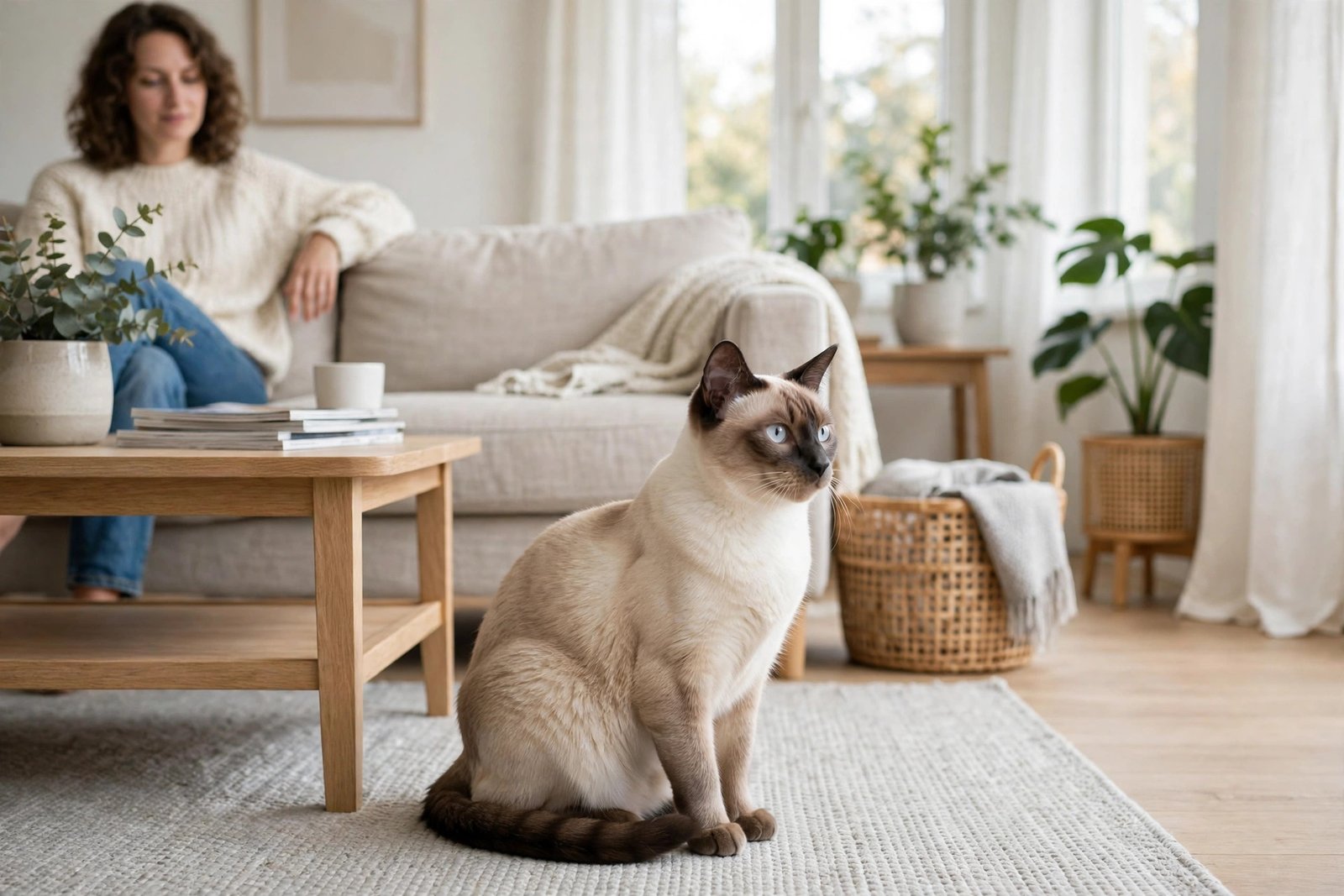
Are Siamese Cats Hypoallergenic? A Clear Allergy Guide
If you love Siamese cats but sneeze every time one walks past, you have probably asked, are Siamese Cats Hypoallergenic? It is a fair question, and the short answer is no, not fully. Still, many people with mild allergies find Siamese cats easier to live with than some other breeds.
That does not mean every allergy sufferer will be fine with a Siamese. It means the breed has a few traits that can help, and a few habits at home can make a real difference. This guide explains what causes cat allergies, what Siamese cats are really like, and how to test the idea safely before you bring one home.
Table of Contents
- Do Siamese Cats Shed Less Than Other Cats?
- Living With a Siamese Cat When You Have Allergies
- Can You Test Your Reaction Before You Commit?
- Siamese Cat Personality and Daily Care
- What About Siamese Mixes and Other Low-Allergy Breeds?
- Common Myths About Hypoallergenic Cats
- Watch the Video: Are Siamese Cats Actually Hypoallergenic?
- Are Siamese Cats Hypoallergenic? Allergy Management at a Glance
- Frequently Asked Questions
Are Siamese Cats Hypoallergenic? The Short Answer
No cat breed is truly hypoallergenic. Cats make a protein called Fel d 1 in their saliva and skin glands. When a cat grooms, that protein spreads onto its fur.
It then drifts into the air, settles on furniture, and sticks to clothes. That is why even a clean home can still trigger sneezing, itchy eyes, or a tight chest in some people.
Siamese cats are often called a better choice for allergy sufferers because they tend to make less of this protein than some heavy-coated breeds, and their short, fine coat sheds less loose fur around the house.
Less loose fur does not mean no allergen, but it can mean less allergen floating around in a normal week.
For a person with mild symptoms, that gap can matter. For a person with asthma or a strong allergy, it may not be enough, and that is an important difference to keep in mind.
So are Siamese cats hypoallergenic in the strict sense? No, and that point matters when you plan a home routine.
Think of it like this: a Siamese is not allergy-proof, but it may be allergy-friendlier. The only way to know how your body reacts is to spend time with the breed in a real home setting, not just in a quick visit to a breeder or shelter.
What Actually Causes a Cat Allergy?
Most people blame cat hair, but hair is only the carrier. The real trigger is usually Fel D-1. Cats lick themselves to stay clean, and the protein in their saliva dries on the coat. Tiny flakes of skin, called dander, carry it too.
Those flakes are so small that they stay in the air for hours and get into soft furnishings.
That is why a short-haired cat can still cause symptoms. It is also why washing your hands after cuddles, changing clothes after play, and keeping the bedroom as a low-allergen zone can help more than simply choosing a breed with less fur.
If you want a plain-language overview from a trusted animal welfare source, the ASPCA explains cat care and common health issues in simple terms, and it is a good place to start before you rely on breed claims alone: ASPCA cat care guidance.
Allergies also vary from cat to cat. Two Siamese cats from the same litter can affect the same person in different ways. Age, sex, and grooming habits all play a part, and no breeder can promise a reaction-free cat.
That variation is one reason the question, Are Siamese cats hypoallergenic?, has no simple yes-or-no answer for every household.
Why Siamese Cats Are Often Mentioned for Allergy Sufferers
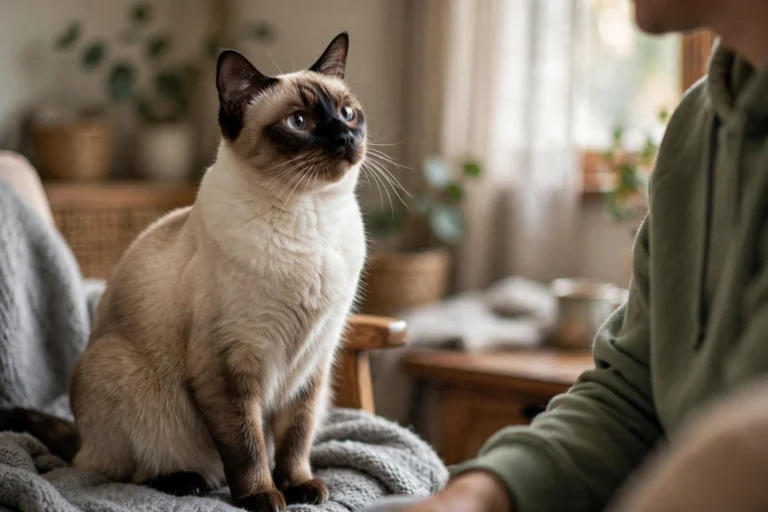
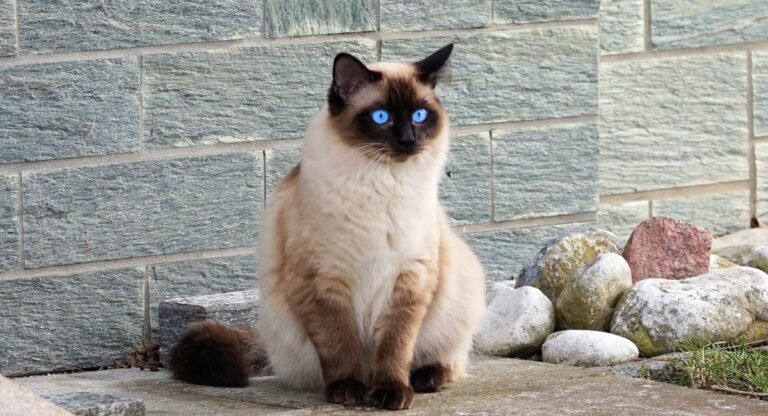
Are siamese cats hypoallergenic? Not fully. Siamese cats have a short, close-lying coat with very little undercoat. That means less shedding in most homes and less fur on sofas and sweaters. Their coat is also easy to brush, so loose hair and dander can be removed in a few minutes each week.
They are also known for grooming themselves well, which sounds like a good thing, but it can cut both ways. A cat that grooms a lot spreads more saliva on its coat, even if it sheds less.
So regular brushing by you, done outdoors or in a well-ventilated room when possible, is still a smart habit.
Another point in their favor is size and temperament. Siamese cats are medium-sized, active, and very social. They like to be near their people, on laps, and in the middle of family life.
That closeness is part of their charm, but it also means more direct contact, so allergy sufferers need a plan for bedding, clothes, and hand washing.
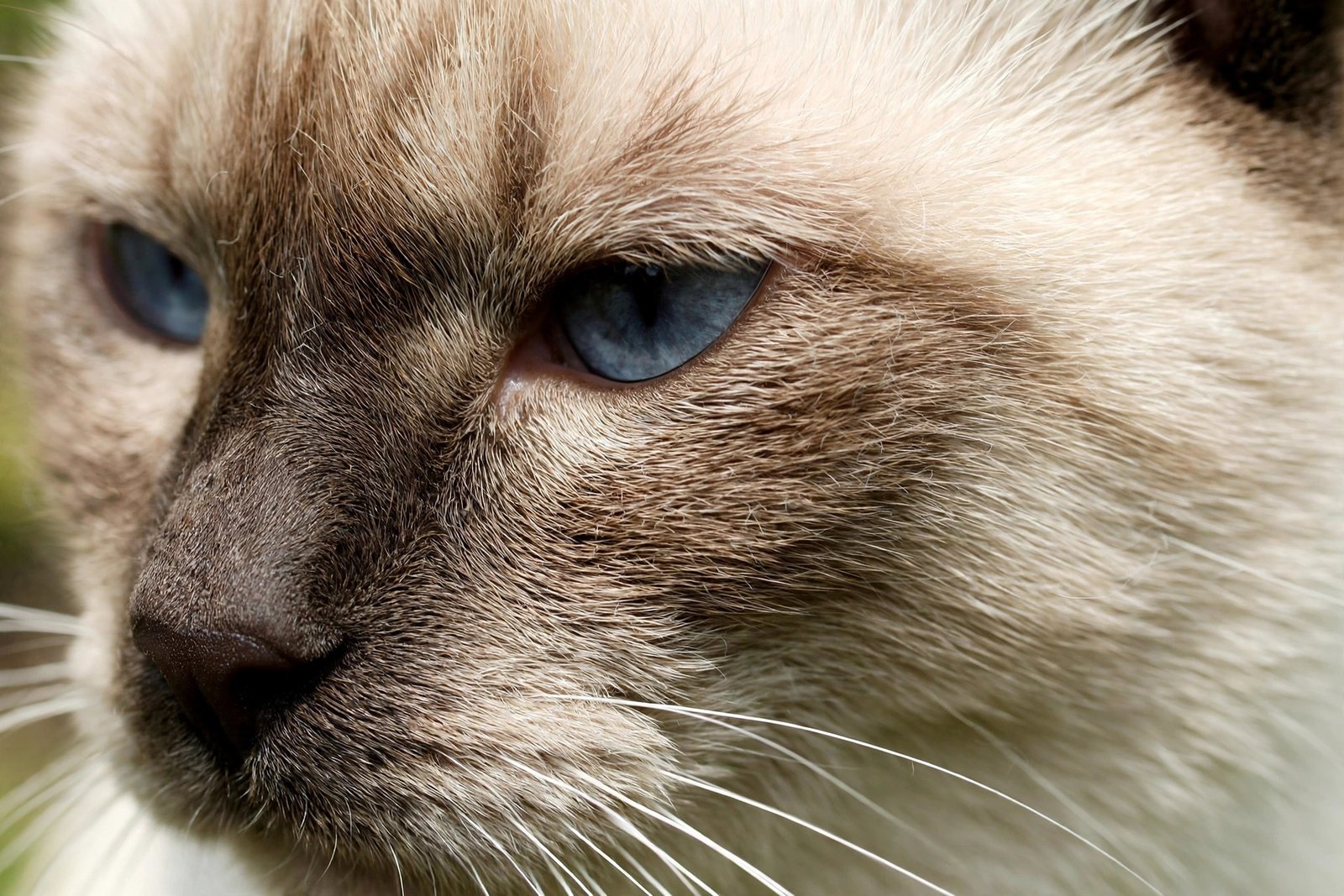
Do Siamese Cats Shed Less Than Other Cats?
In general, yes. A Siamese coat is short and fine, and many owners notice less hair on dark clothes than they did with a long-haired cat.
That does not mean no shedding at all. All cats shed, and seasonal changes, diet, stress, and health can change how much hair you find.
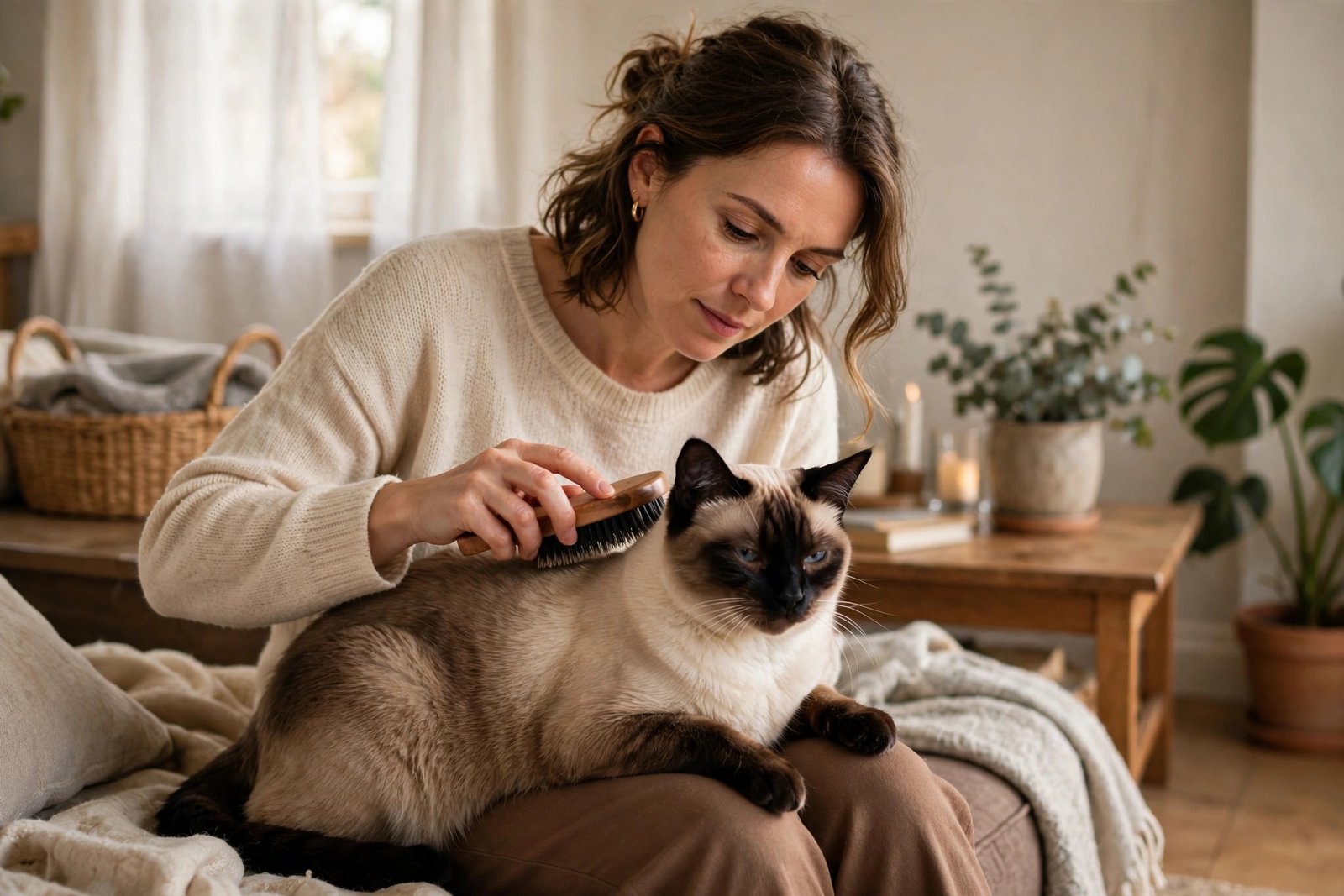
If you are asking if Siamese cats are hypoallergenic, start with the brush. A weekly brush helps a lot. Use a soft brush, work gently, and keep sessions short so your cat enjoys it.
If your cat hates brushing, try a grooming glove and build up slowly with treats and praise. The goal is a calm routine, not a battle. A calm cat is also less likely to leave clumps of hair on every surface.
Keep an eye on shedding changes too. A sudden increase, bald patches, or constant scratching can point to stress, a skin problem, or a diet issue. In that case, a vet check is more useful than a new brush.
Living With a Siamese Cat When You Have Allergies
When you ask if Siamese cats are hypoallergenic, the bedroom is a good place to start.
Many allergy sufferers find that keeping the cat out of the bedroom, or at least off the bed, gives them a better night and a calmer morning.
Wash bedding often, use pillow covers that can be laundered, and vacuum the mattress now and then.
In the rest of the house, a vacuum with a good filter, hard floors where you can manage them, and washable throws on favorite chairs all help.
Wipe hard surfaces, wash your hands after play, and try not to rub your eyes after handling your cat. Small habits add up, and they are easier to keep than a strict cleaning plan you hate.
An air purifier with a HEPA filter can help in a small room, but it is not a cure. Think of it as one tool among many, not a reason to ignore brushing, washing, and vet care. If you use one, keep doors closed in that room for part of the day so the air can actually be cleaned.
These steps do not settle the question of whether Siamese cats are hypoallergenic for you, but they lower daily exposure.
Talk to your own doctor as well, especially if you have asthma. Some people manage mild symptoms with simple steps and advice from their doctor, while others are told that living with a cat is not a good idea.
That advice is personal, and it should come before a deposit on a kitten, not after.
Can You Test Your Reaction Before You Commit?
Yes, and you should. Spend time with adult Siamese cats, not just kittens, because kittens change as they grow.
Visit a breeder or shelter more than once, sit with the cat, play with it, and see how you feel over the next few hours, not just the first ten minutes.
Still asking, are Siamese cats hypoallergenic? A home visit answers it better than a cattery. If you can, ask a friend who owns a Siamese if you can visit their home for an afternoon.
A home visit is closer to real life than a clean, airy cattery. Bring a change of clothes for the trip home, and note any sneezing, itching, or wheezing later that day.
Some people also try fostering for a short period. That is a big step, but it gives a much clearer picture than a single visit. Be honest with the rescue or breeder about your allergy, and have a back-up plan so the cat is never left in a difficult spot if it does not work out.
Siamese Cat Personality and Daily Care
Siamese cats are talkative, curious, and loyal. They often follow their owners from room to room, join in conversations with loud meows, and want to be part of everything. For many owners, that is the best part of the breed.
For allergy sufferers, it also means the cat will want to be close, so your cleaning routine needs to fit real life, not an ideal day.
That daily closeness is why the question of whether Siamese cats are hypoallergenic matters in real life, not just on a breed list.
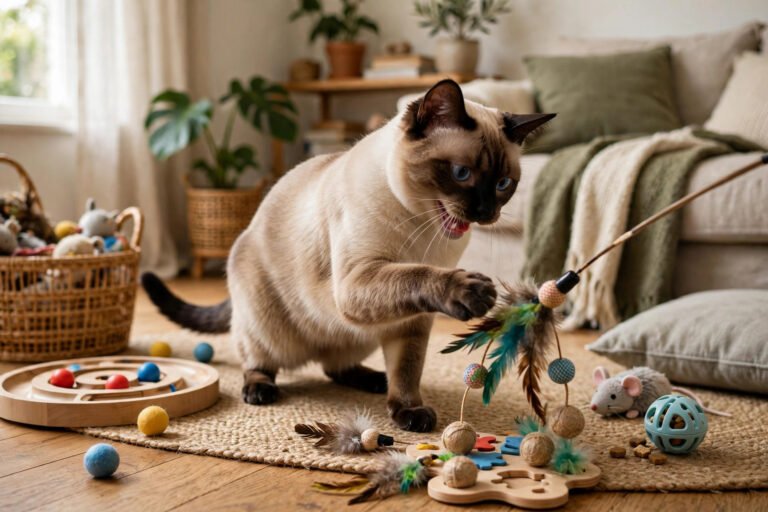
They need play every day. Wand toys, puzzle feeders, and short training games keep them busy and stop boredom.
A bored Siamese can become noisy, restless, or destructive, so plan for at least two play sessions a day. A tired cat is usually a calmer, happier cat.
Food, fresh water, a clean litter tray, and regular vet checks are the basics.
Keep the litter tray away from bedrooms if you can, scoop daily, and wash your hands after. If you are sensitive to dust, a low-dust litter and a mask during cleaning can help.
To see how varied this breed can be, read our guide to Siamese Cat Colors. Coat color does not change allergy risk, but it shows how much variety there is within one breed, and it can help you talk to breeders with more confidence.
What About Siamese Mixes and Other Low-Allergy Breeds?
A Siamese mix may inherit a short coat, but it may also inherit a heavier coat or a different level of Fel d 1. There is no guarantee with a mix, so judge the individual cat, not the label.
The same is true for other breeds often called hypoallergenic, such as Balinese, Oriental Shorthair, and Siberian cats. Some people do well with them; others do not.
Are siamese cats hypoallergenic? For mixes, the answer is even less certain. If your main goal is fewer symptoms, focus on the cat in front of you, your home routine, and advice from your doctor.
Breed lists are a starting point, not a promise. A calm, healthy adult cat in a well-managed home is often a better match than a kitten chosen only for a breed name.
Also think about long-term care. Siamese cats can live a long time, often into their teens. That is wonderful, but it is also a long commitment for someone with allergies. Plan for busy weeks, holidays, and times when cleaning slips, because real life is not always tidy.
Common Myths About Hypoallergenic Cats
One myth is that hairless cats cause no allergies. They still make Fel d 1, and they still need skin care.
Another myth is that a cat that sheds less cannot trigger asthma. It can, because dander is the issue, not just visible hair.
Another common myth is that washing a cat often will solve the problem. Frequent baths can dry out skin, stress the cat, and only lower allergen levels for a short time. A gentle weekly brush and a clean home are usually more helpful, and far kinder to the cat.
Finally, do not trust claims that a breeder has a special allergy-free line. No test can prove that for every person. A good breeder will be honest about this, let you visit, and put the cat first if the match is not right.
In short, treat are Siamese cats hypoallergenic as a question to test in real life, not a claim to accept from a sales page.
Watch the Video: Are Siamese Cats Actually Hypoallergenic?
For a quick visual overview, watch this video by 1minanimals, titled Are Siamese Cats Actually Hypoallergenic? It covers the same question in a short, friendly way and is a useful companion to this guide.
Are Siamese Cats Hypoallergenic? Allergy Management at a Glance
| Allergy trigger | What helps |
|---|---|
| Fel d 1 in saliva and skin | Brush weekly, wash hands after handling, and wash bedding often. |
| Hair carrying allergen around the home | Vacuum with a HEPA filter, choose hard floors where possible, and clean soft furnishings regularly. |
| Night-time exposure in the bedroom | Keep the cat out of the bedroom, or at least off the bed, and wash bed linen often. |
| Dust and dander on furniture | Damp-dust surfaces, wash throws and cushions, and use an air purifier in a small room. |
| Asthma or strong allergy symptoms | Talk to your doctor before adopting, and do not rely on breed claims alone. |
Frequently Asked Questions
Are Siamese cats fully hypoallergenic?
No. No cat breed is fully hypoallergenic, and Siamese cats are no exception. They still produce allergens, although many people with mild allergies find them easier to live with than some other breeds. Your reaction depends on the individual cat, your sensitivity, and how you manage your home.
What is Fel d 1?
Fel d 1 is the main protein that triggers most cat allergies. Cats make it in their saliva and skin glands, then spread it onto their fur when they groom. It can drift into the air, settle on furniture, and stick to clothes. That is why a short-haired cat can still cause sneezing, itchy eyes, or a tight chest.
Do Siamese cats shed less than other cats?
In general, yes. Siamese cats have a short, fine coat with little undercoat, so many owners notice less hair on clothes and furniture. Less shedding does not mean no allergen, because Fel d 1 is carried on skin and saliva as well as hair. Regular brushing and cleaning still make a useful difference.
How should I groom a Siamese cat for allergies?
Brush a Siamese cat once a week with a soft brush, in short, gentle sessions. This removes loose hair before it spreads around the house. Wash your hands after brushing, and avoid frequent baths, which can dry the skin and stress the cat. If brushing makes symptoms worse, ask another household member to help.
Can I keep a Siamese cat if I have asthma?
It depends on how severe your asthma is, so talk to your doctor first. Some people with mild asthma manage with a clean bedroom, regular vacuuming, and an air purifier, while others find any cat exposure too risky. Never start a trial at home without medical advice if your asthma is poorly controlled.
How can I test my reaction before adopting a Siamese cat?
Spend time with adult Siamese cats, not just kittens, because their coats and allergen levels change as they grow. Visit a friend or breeder more than once, and notice how you feel during and after each visit. Fostering for a short period, where possible, gives the clearest picture before you commit.
Conclusion
So, are siamese cats hypoallergenic? No, not in the strict sense. But they are often a reasonable choice for people with mild allergies who are willing to brush weekly, clean often, keep the bedroom calmer, and test their reaction first. For people with strong allergies or asthma, the honest answer is to get medical advice first and not rely on breed claims.
If you do go ahead, choose a healthy adult cat where you can, visit more than once, and set up your home before the cat arrives. That way, you give yourself the best chance of a happy life together, and you give the cat a stable home from day one.
For more cat guides, browse our Cats category and keep learning about the breed you love. A little homework now can save a lot of sneezing later, and it can help you make a choice you feel good about.

MyPetsCreature is a trusted digital resource dedicated to providing well-researched, human-centric insights into pet care, health, and behavior. Our team of passionate pet enthusiasts delivers reliable advice, comprehensive guides, and essential tips to help pet parents worldwide ensure the well-being and happiness of their companion animals.


One Comment