
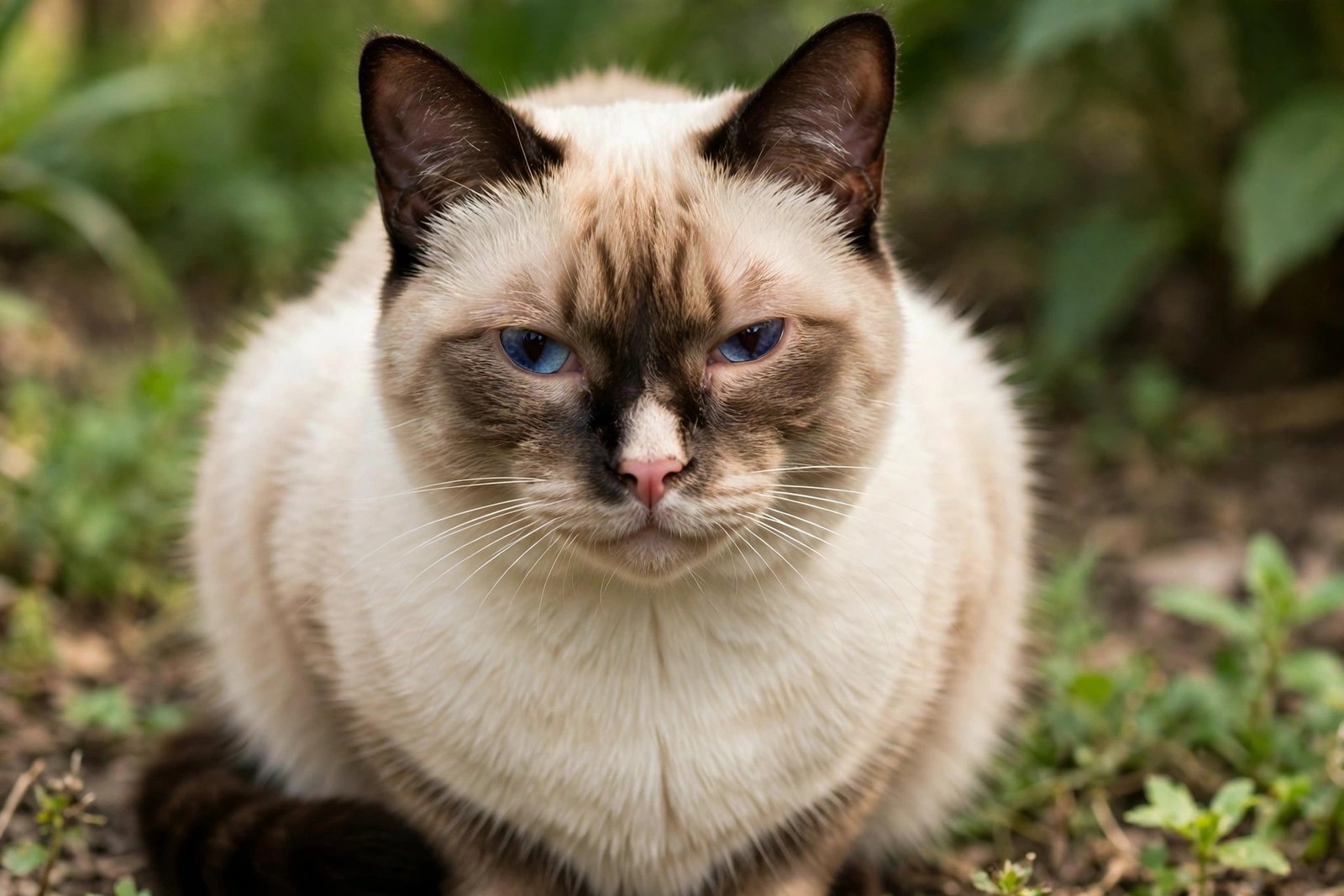
Siamese Cat Cross Eyed: Causes, Care, and Vet Signs
A siamese cat cross eyed look often surprises a new owner at first glance. The eyes turn inward, toward the nose, and the cat still follows toys, finds food, and moves around the home with ease. This guide explains why that look happens, what it can mean for sight, and when a vet check makes sense.
You will learn how crossed eyes in Siamese cats differ from a sudden eye change. You will also find simple checks you can do at home, daily care tips, and clear signs that call for prompt vet care.
Table of Contents
- Why a Siamese Cat Cross Eyed Look Happens
- What Strabismus in Cats Means
- Siamese Cat Eye Problems to Know
- How to Check Your Cat’s Eyes at Home
- Living With a Siamese Cat Cross Eyed Look
- At a Glance: Normal Trait vs. Signs to Check
- Frequently Asked Questions
Why a Siamese Cat Cross Eyed Look Happens
Siamese cats carry a gene that links coat color with eye color and eye wiring. The same gene that gives the breed its pale body, dark points, and blue eyes also shapes how nerve signals travel from the eyes to the brain. In some Siamese cats, that wiring shifts eye position, so one or both eyes point inward.
This link helps explain why the look shows up so often in this breed. A cat can have the trait from a young age and keep it through adult life. The eyes may look more crossed in photos, in bright light, or when the cat focuses on something close.
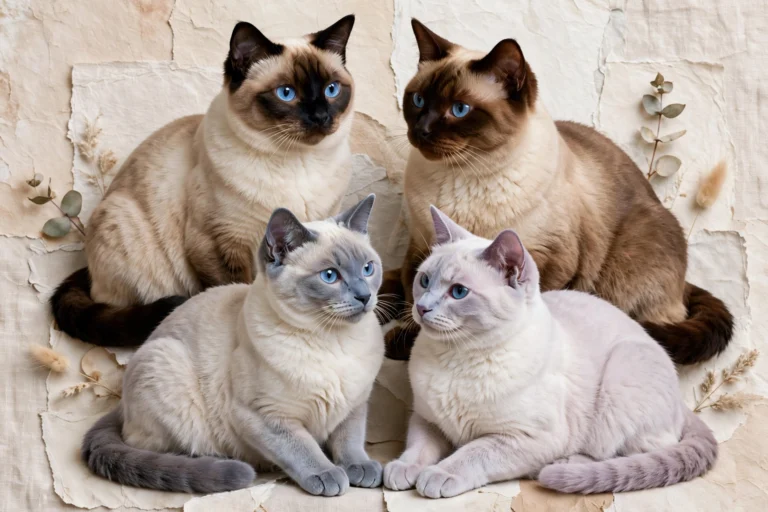
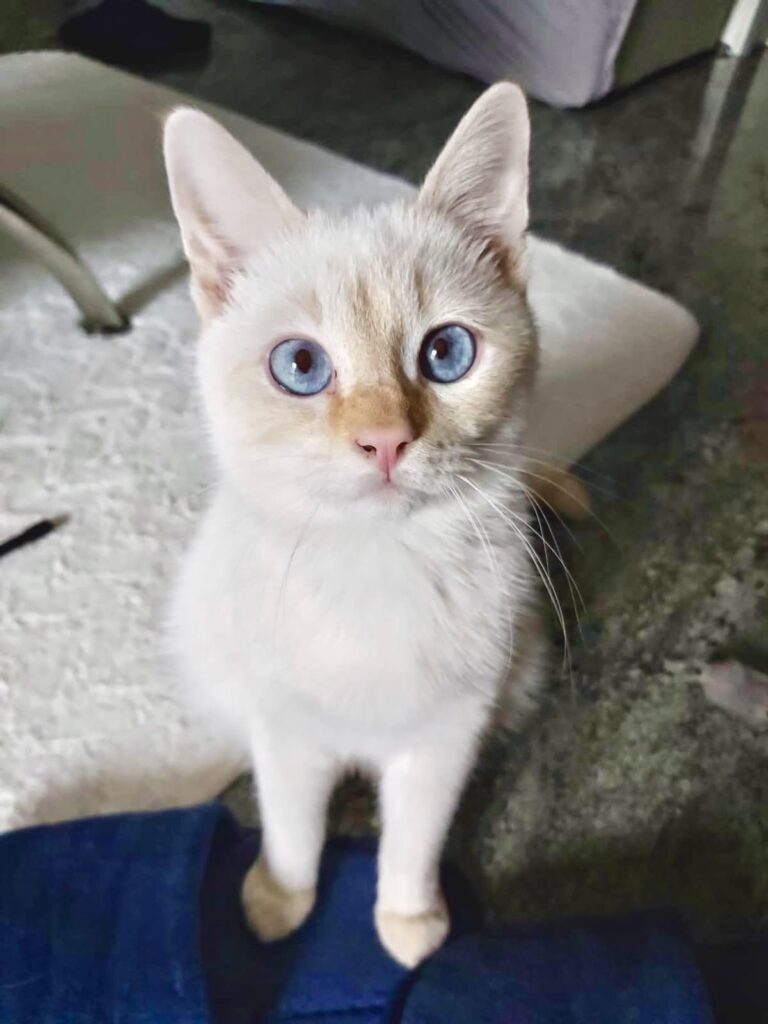
Coat color and eye traits share a close link in this breed. A White Siamese cat shows how pale coats and blue eyes can pair in different ways, and a look at Siamese cat colors shows how points can range from light to dark. Eye position does not depend on point color alone.
Breeders and vets often describe this trait as part of the breed picture, not as a flaw in the cat’s character. The cat does not choose the eye position, and it does not mean the cat feels pain. Still, owners should watch for changes. A stable look from kittenhood differs from a new change in an adult cat.
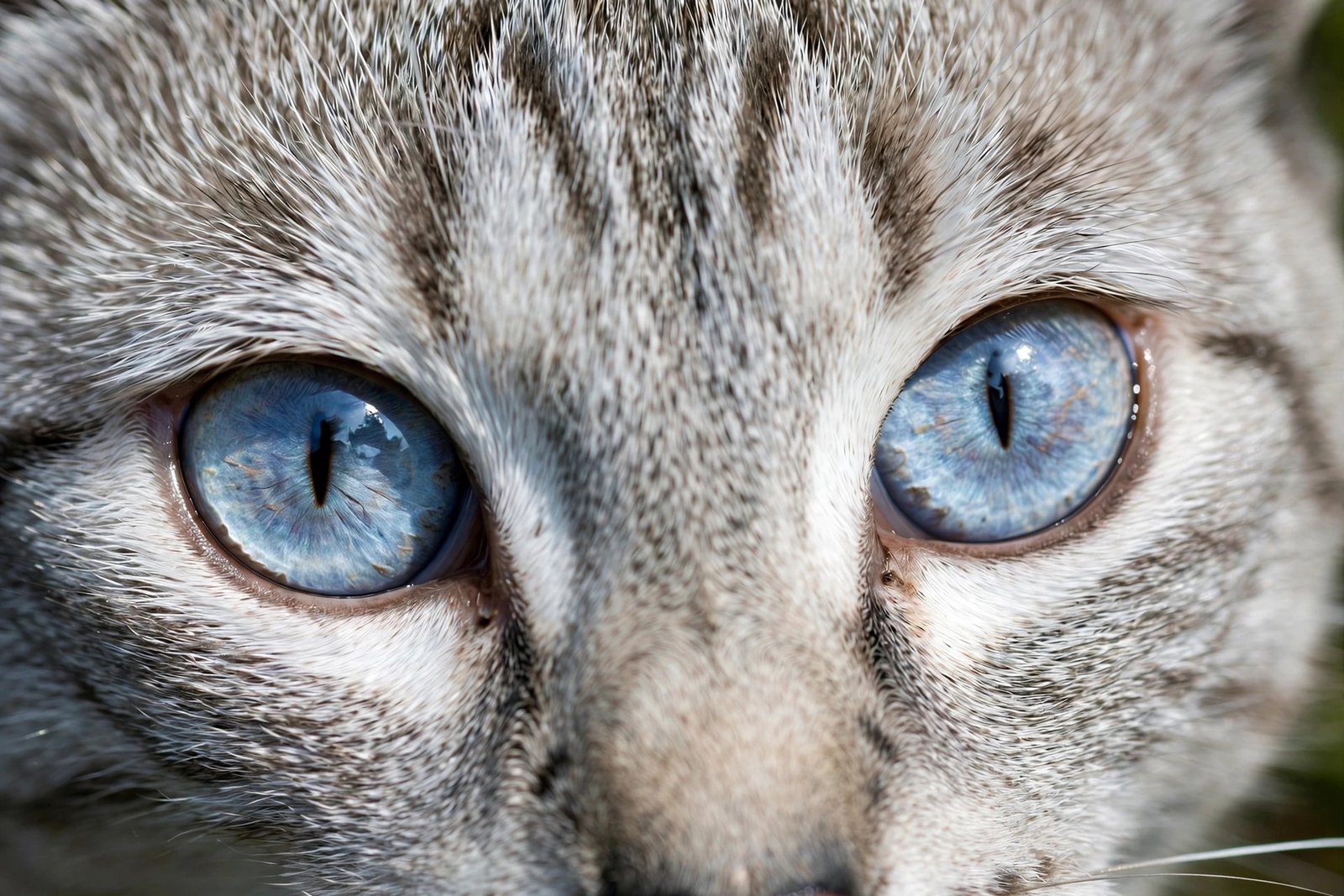
Why the eyes point inward
The eyes work as a pair. Muscles around each eye pull it in set directions, and the brain blends the two views into one picture. In a Siamese cat with this trait, the signal path between eye and brain takes a different route. The brain may still build a clear picture, but the eyes rest in a more inward position.
The cat may tilt its head, move closer to a toy, or track a moving object with a small head turn. These habits help the cat judge distance and depth. Many cats adapt well and play, jump, and groom with no clear trouble. A siamese cat cross eyed look can stay stable for years, so a change from the usual pattern matters more than the look itself.
Can a kitten outgrow crossed eyes?
Kittens change fast in the first months of life. Their eyes open, their focus sharpens, and their eye muscles gain strength. A slight inward look in a very young kitten may ease as the kitten grows. A clear inward look that stays the same for months more often points to a stable trait.
What Strabismus in Cats Means
Strabismus in cats means the eyes do not point in the same direction. The term covers eyes that turn inward, outward, up, or down. In Siamese cats, the inward turn shows up most often. Vets use the term to describe eye position, not to label a single disease.
Strabismus can start at birth, or it can appear later in life. A cat born with the trait often keeps a steady eye position. A cat that gains the trait later may have a health issue that needs care. That difference matters more than the look alone.
Some cats with strabismus see well in daily life. They may judge a jump with care, or they may pause before they leap. Others may have weaker depth sense and may miss a toy toss by a small margin. Owners can help by keeping play on the floor, using toys with sound or motion, and keeping furniture in the same place.
This article gives general information only. It does not replace vet advice, and it does not diagnose your cat. If you worry about your cat’s sight, a vet exam gives you facts about your cat, not just about the breed in general.
Siamese Cat Eye Problems to Know
Siamese cats can face the same eye issues as other cats, plus a few breed-linked traits. Crossed eyes may sit next to other eye traits, so a full eye check matters. Watch for redness, swelling, cloudiness, discharge, and a change in pupil size.
Common eye issues in cats include surface scratches, eye infections, dry eye, and pressure changes inside the eye. A cat may squint, tear more than usual, or keep one eye shut. A cat may also rub its face on furniture or with a paw. Do not use human eye drops or leftover drops from another pet. A vet can pick the right care for the exact problem.
For general background on cat eye health, the Cornell Feline Health Center offers owner-friendly feline health information. Use it to learn terms and questions to ask, and let your own vet guide care for your cat.
Signs that need a prompt vet visit
Seek vet care soon if you see a sudden eye change, pain, discharge, or vision loss. Sudden signs include one eye that turns in or out all at once, a pupil that stays large or small, a cloudy eye, or a cat that walks into walls or furniture. Pain signs include squinting, tearing, pawing at the eye, and a reluctance to open the eye.
Discharge can look clear, yellow, or green. A small amount of clear tears after sleep differs from thick discharge that keeps coming back. Vision loss can show as hesitation on stairs, missed jumps, or startling when you approach from one side. If you see these signs, call your vet the same day and describe what changed.
How to Check Your Cat’s Eyes at Home
Home checks do not replace a vet exam, but they help you spot change early. Pick a calm time, in soft daylight, and sit near your cat. Look at both eyes from the front, then from each side. Note whether the inward look affects one eye or both, and whether it looks the same each day.
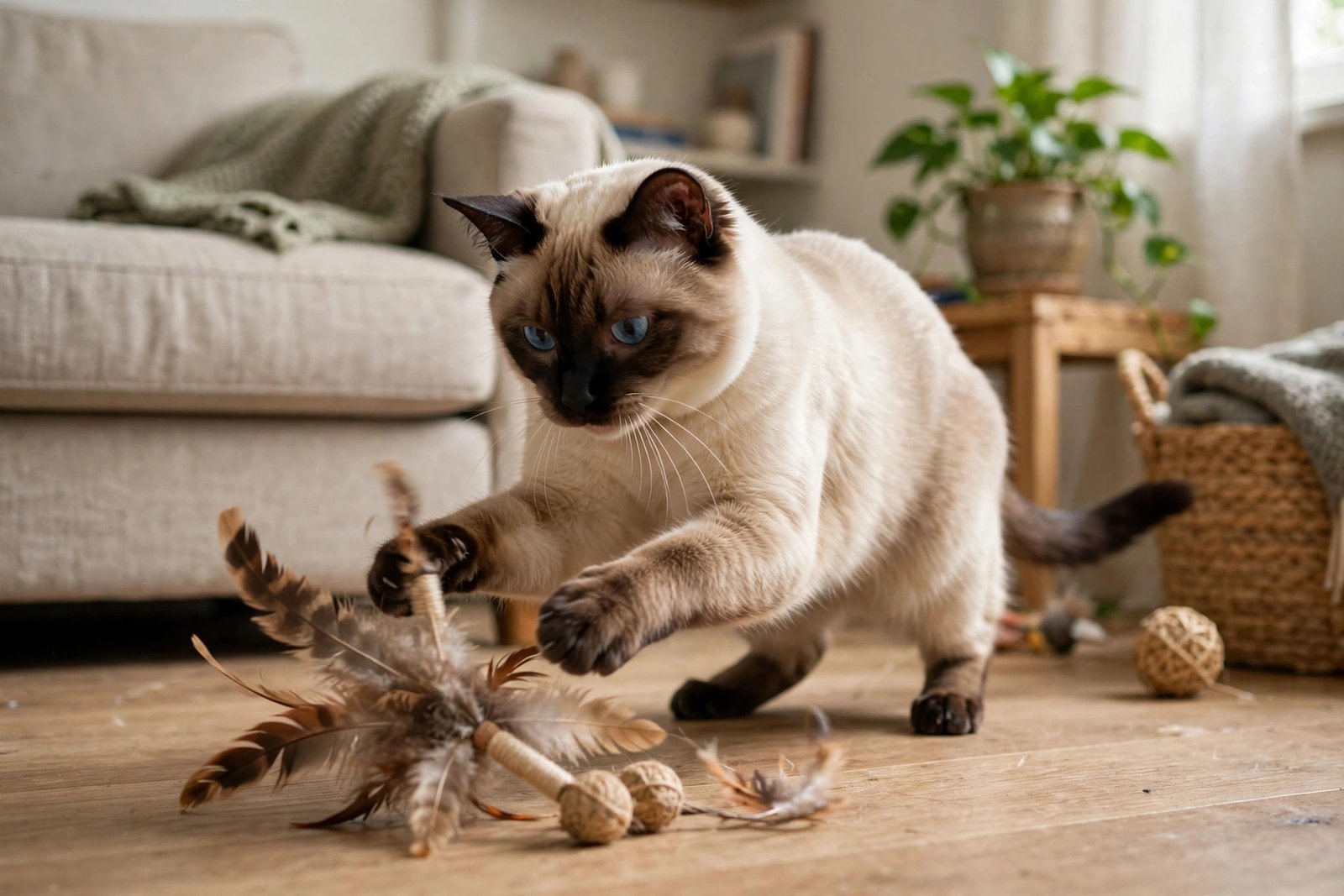
Watch your cat follow a toy. Move a feather wand slowly from side to side, then up and down. Note whether the cat tracks it with both eyes, turns its head, or loses track on one side. Try the check at different distances. Note how a siamese cat cross eyed look changes in different light, and write down what you see.
Check the eye surface in good light. Look for redness, swelling, cloudiness, or a change in eye color. Look for discharge, and note its color and amount. Check whether the pupils look the same size in both eyes, and whether they shrink in bright light.
Living With a Siamese Cat Cross Eyed Look
Most Siamese cats with a stable inward look live full, active lives. Keep the home layout steady, so the cat can learn where furniture, food, water, and the litter box sit. Avoid moving large items often. Use rugs or mats to mark steps and doorways, and keep pathways clear of clutter. When a siamese cat cross eyed look stays stable, a fixed home layout helps the cat move with confidence.
Play helps the cat practice focus and movement. Use toys that move slowly at first, then build speed as the cat gains confidence. Roll a ball on the floor rather than tossing it high in the air. Use toys with a bell or crinkle sound, so the cat can track by sound as well as sight.
Feed in the same spot each day, and use wide, shallow bowls that do not press on the whiskers. Keep water fresh and easy to reach. If your cat hesitates at stairs, add a ramp or a low step, and place a night light near the stairs or litter box.
Groom with care around the face. Wipe away sleep crust with a soft, damp cloth, and work from the inner corner outward. Use a fresh part of the cloth for each eye. Do not press on the eyeball, and stop if the cat pulls away or shows pain.
For a short visual overview of the breed, watch this Siamese cat guide from AnimalWised:
At a Glance: Normal Trait vs. Signs to Check
| What you see | What it may mean | What to do |
|---|---|---|
| Steady inward look from a young age, both eyes bright, no discharge | Often a breed-linked trait | Mention it at a routine vet visit and track changes |
| Sudden turn in one or both eyes | Needs a vet check to rule out injury or illness | Call the vet the same day |
| Squinting, tearing, pawing at the eye, or thick discharge | Possible pain or eye infection | Seek prompt vet care and avoid home eye drops |
| Bumping into objects, missed jumps, or hesitation in dim light | Possible vision change | Book a vet eye exam and keep the home layout steady |
| Cloudy eye or pupil size change | Needs a vet eye exam | Seek prompt vet care |
Frequently Asked Questions
Is a siamese cat cross eyed normal?
Yes, in many cases. The breed-linked gene that shapes coat and eye color can also shift eye position, so a steady inward look from a young age often fits the breed trait. A vet can confirm this at a routine visit.
Do crossed eyes in Siamese cats affect vision?
Some cats see well for daily life, while others may judge depth less well. They may pause before a jump or track a toy with a head turn. Watch play and movement, and ask a vet if you see missed jumps or frequent bumps.
Can strabismus in cats get worse over time?
A stable breed trait often stays much the same, but any eye condition can change. A new or growing turn, cloudiness, or vision change needs a vet check. Keep notes and photos so a vet can compare the eyes over time.
Should I worry if only one eye looks crossed?
A one-eye change deserves a closer look, most of all if it appears all at once. Note when it started and whether the cat shows pain, discharge, or vision trouble. Call your vet and describe the change in detail.
What Siamese cat eye problems need urgent care?
Sudden eye changes, pain, discharge, or vision loss need prompt vet care. Squinting, a cloudy eye, a pupil that stays large or small, and a cat that walks into objects all call for a same-day vet call.
Can a vet fix crossed eyes in a Siamese cat?
A vet treats the cause, not the look alone. A stable breed trait may need no treatment. An eye infection, injury, or other health issue needs its own care. Your vet will advise what, if anything, your cat needs.
Conclusion
A siamese cat cross eyed look often reflects a breed trait, and many cats with this look play, explore, and bond with ease. Learn your cat’s normal eye position, watch for change, and keep the home steady and safe. If you see a sudden eye change, pain, discharge, or vision loss, contact your vet promptly. With steady care and timely vet checks, you can support your Siamese cat’s comfort and sight for years to come.

MyPetsCreature is a trusted digital resource dedicated to providing well-researched, human-centric insights into pet care, health, and behavior. Our team of passionate pet enthusiasts delivers reliable advice, comprehensive guides, and essential tips to help pet parents worldwide ensure the well-being and happiness of their companion animals.

One Comment