Grayish White Cat: Breeds, Traits & Care Guide
Did you know that less than 5% of domestic cats carry the genetic combination responsible for a true grayish white coat? These cats are not just visually striking. They are among the most searched and admired felines in the United States, drawing attention from first-time pet owners and experienced cat lovers alike.
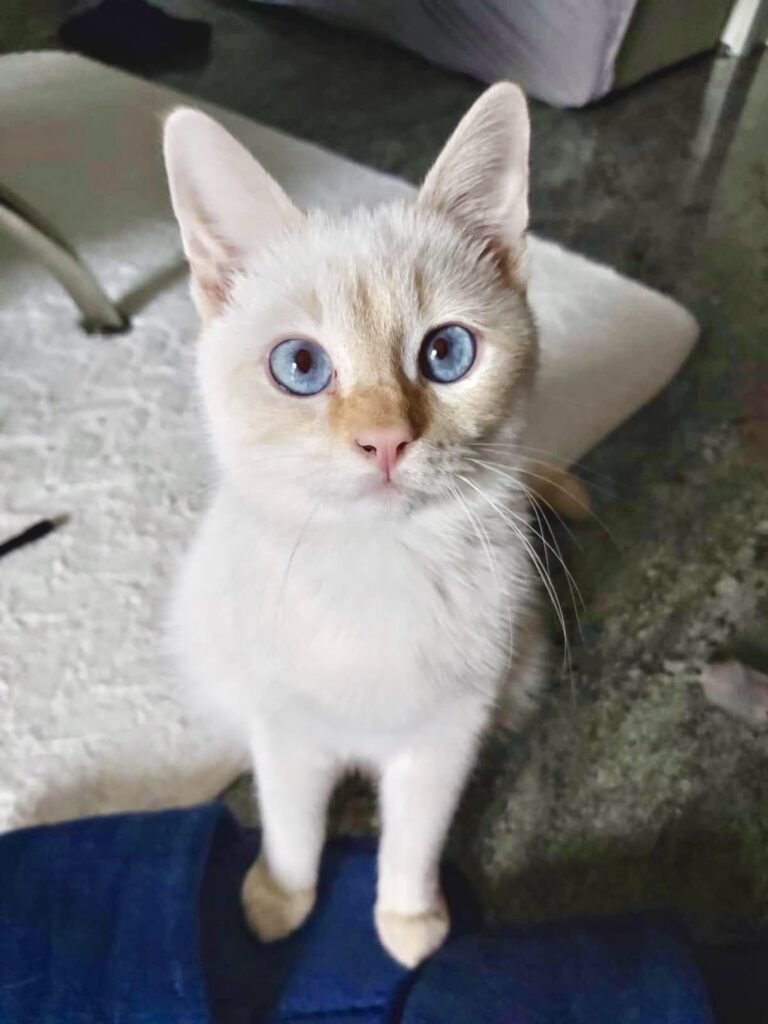
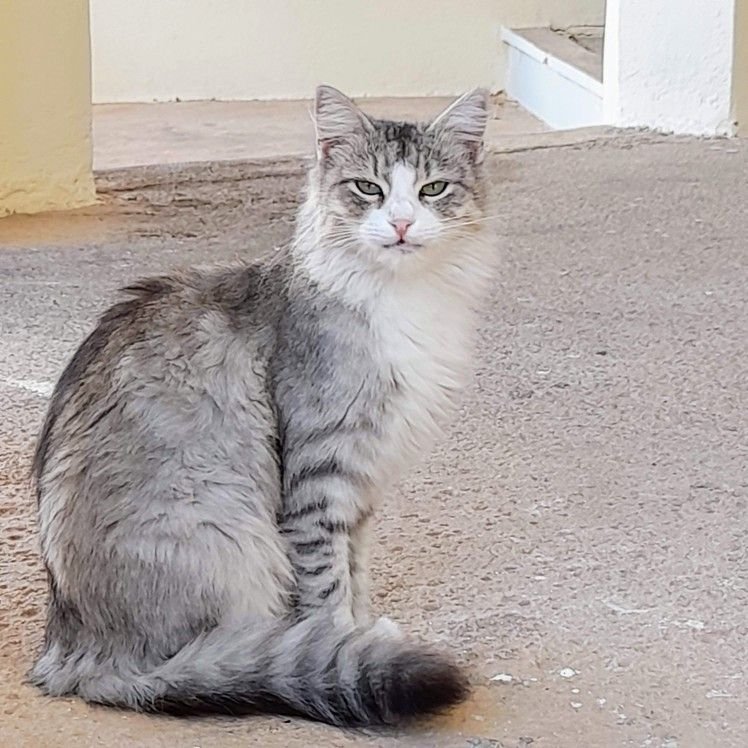
A grayish white cat sits in a category of its own. The coat color is neither fully white nor solidly gray. Instead, it falls somewhere in between, often shifting in appearance depending on lighting, coat thickness, and the specific breed involved. If you have ever seen a cat and thought, “Is that white or is that gray,” you have already encountered one.
In this guide, you will learn which breeds most commonly display this coloring, what causes the grayish white coat genetically, how personality and temperament connect to coat color, and exactly what care these cats need to thrive. You will also find a comparison table, a breed breakdown, and answers to the most common questions people search for about these cats, including their connection to the white Siamese cat family.
Table of Contents
- What Is a Grayish White Cat
- Grayish White Cat Breeds You Should Know
- The White Cat and Gray White Genetics Explained
- Siamese White Cat and the Foreign Siamese Cat Connection
- Personality and Temperament of Grayish White Cats
- Health, Grooming and Daily Care
- Frequently Asked Questions
What Is a Grayish White Cat
A grayish white cat is any domestic cat whose coat appears as a blend of white and gray, sometimes described as silver white, pale gray, or dilute white, depending on the breed and the individual cat. The color is not a recognized standalone category in most cat registries, but it appears across multiple breeds and is often caused by dilution genes, white spotting genes, or the expression of the chinchilla gene.
The term covers a wide range of appearances. Some cats look nearly all white with faint gray shading on the ears or back. Others show a more even distribution of gray and white across the body. The common thread is that the coat avoids the stark brightness of a pure white cat and the deep uniform tone of a true blue or gray cat.
Why People Search for This Color Specifically
Search data from Google Trends consistently shows high interest in gray and white cats in the United States, particularly in states like California, Texas, New York, and Florida. Pet owners searching for a grayish white cat are often looking for a specific aesthetic combined with a calm or affectionate temperament, which several breeds in this color range happen to carry naturally.
Is Grayish White a Breed or a Color
This is a color pattern, not a breed. Many different breeds can produce grayish white coats, which is why understanding the genetics and breed characteristics separately helps you make a better choice when adopting or purchasing.
Grayish White Cat Breeds You Should Know
Several well-established breeds regularly produce cats with grayish white coats. Each one brings a distinct body type, energy level, and personality profile.
British Shorthair
The British Shorthair is one of the most popular grayish white cat breeds in the United States. While blue (gray) is the most iconic color for this breed, the dilute white and blue and white variations produce cats that appear as a classic grayish white. Their dense, plush coat makes the color appear even softer and more silvery than it would on a short-coated breed.
British Shorthairs are calm, independent, and moderately affectionate. They adapt well to apartment living and do not demand constant attention, making them a top choice for working adults.
Russian Blue
The Russian Blue is not white, but in certain lighting conditions and at certain life stages, especially as kittens, they can appear closer to a soft grayish white than a true blue gray. Their short, dense double coat has silver-tipped guard hairs that produce a shimmering effect, giving the impression of a lighter, almost grayish white tone.
These cats are quiet, loyal to one person, and highly intelligent. According to the Cat Fanciers’ Association (CFA), the Russian Blue is consistently among the top 10 most registered breeds in the United States.
Norwegian Forest Cat
The Norwegian Forest Cat produces some of the most visually stunning grayish white coat combinations. Their semi-long fur and bushy tail make the color appear layered, with lighter and darker shades alternating through the coat. White and blue tabby combinations in this breed often read as grayish white to the casual observer.
These cats are energetic, outdoor-friendly, and historically bred as working farm cats in Scandinavia. They are gentle with children and adapt well to multi-pet households.
Ragdoll
The Ragdoll is worth mentioning because its blue point and mink variations often produce a body that appears grayish white with darker extremities. These cats have a very soft, silky coat and go limp when picked up (hence the name), which makes them unusually easy to handle.
Ragdolls are large cats. Males can reach 20 pounds. They are docile, affectionate, and moderately vocal.
Devon Rex and Cornish Rex
Both Rex breeds occasionally produce grayish white coats, and their short, wavy fur gives the color a distinctive textured look that differs significantly from longer-coated breeds. These are active, mischievous cats that require more stimulation than the average indoor cat.
Breed Comparison Table
| Breed | Coat Length | Typical Temperament | Energy Level | Good With Kids |
|---|---|---|---|---|
| British Shorthair | Short | Calm, Independent | Low to Medium | Yes |
| Russian Blue | Short | Loyal, Quiet | Medium | Yes |
| Norwegian Forest Cat | Long | Gentle, Active | High | Yes |
| Ragdoll | Semi-Long | Docile, Affectionate | Low | Yes |
| Devon Rex | Short/Wavy | Playful, Mischievous | High | Yes |
For official breed standards and health documentation on any of the breeds listed above, the Cat Fanciers’ Association breed directory at cfa.org is the most reliable starting point for American cat owners.”
The White Cat and Gray White Genetics Explained
Understanding why a cat develops a grayish white coat requires a basic look at feline coat genetics. This section breaks it down without technical overwhelm.
The Dilution Gene
The dilution gene (d) is a recessive gene that lightens coat colors. A cat that would normally be black becomes blue (gray). A cat that would be orange becomes cream. When this dilution gene acts on a cat that already carries minimal pigmentation, the result is often a grayish white appearance, lighter than typical gray but not as stark as pure white.
According to a 2022 review published in the journal Genes, the melanophilin gene (MLPH) is the primary driver of this dilution effect in domestic cats, and it acts by disrupting the even distribution of melanin granules in the hair shaft.
White Spotting and the White Cat Gene
The white cat gene (W) and the white spotting gene (S) both suppress pigmentation, but in different ways. A cat with the dominant W gene produces a fully white coat. A cat with the S gene shows white patches over a base color. When the S gene acts on a diluted gray base, the result is a grayish white cat with uneven distribution of color, which appears almost uniformly pale to the human eye.
Chinchilla and Shaded Silver
The chinchilla pattern is produced by the inhibitor gene (I), which removes pigment from the base of each hair shaft while allowing color to remain only at the tip. In cats with a gray or blue base, this creates a shimmering grayish white appearance. Persian chinchillas and silver-shaded breeds display this most dramatically.
Siamese White Cat and the Foreign Siamese Cat Connection
The Siamese white cat represents one of the most elegant and historically significant cat types in the world. Understanding how it relates to the grayish white cat category adds important context, especially since many people searching for grayish white cats are drawn toward the Siamese body type and temperament.
What Makes the Siamese White Cat Different
The Siamese white cat appears white on the body with darker coloring on the face, ears, legs, and tail. These darker areas are called “points.” The body itself ranges from pure white in lighter lines to a very pale cream or grayish white in older cats and in certain color point variations. This fading or shading of the body coat is caused by temperature-sensitive pigmentation. The cooler outer body areas develop more color over time, while the warmer core stays lighter.
A well-known fact among breeders is that Siamese kittens are born completely white and develop their points gradually over the first few weeks of life. According to the International Cat Association (TICA), this temperature-sensitive coloration is caused by a mutation in the tyrosinase enzyme, which becomes inactive above a certain body temperature.
The Foreign Siamese Cat
The Foreign Siamese cat refers to the more extreme, modern Siamese type, characterized by a very long, slender body, large triangular ears, and an angular face. This is distinct from the traditional or applehead Siamese, which has a rounder face and heavier build.
Foreign Siamese cats often show a lighter body coat than the traditional type, and in some bloodlines, especially those with blue points or lilac points, the body can take on a distinctly grayish white hue. The lilac point Siamese in particular carries a body color that is described as glacial white with a warm pinkish tone, sitting right at the boundary of grayish white.
Foreign Siamese cats are known for being extremely vocal, emotionally attached to their owners, and highly intelligent. They are one of the most dog-like cat breeds in terms of social behavior.
Siamese Derived Breeds That Carry Grayish White Coats
Several breeds developed from the Siamese lineage also carry grayish white coat potential. The Balinese (a long-haired Siamese), the Oriental Shorthair, and the Javanese all share the Siamese gene pool and can produce cats with pale, grayish white body coloring. These are all considered part of the broader white Siamese cat family in popular culture, even if registries classify them differently.
Personality and Temperament of Grayish White Cats
Coat color and personality are not directly linked in a strict scientific sense, but breed tendencies mean that cats commonly found with grayish white coats often share certain behavioral traits. Understanding these patterns helps you find the right match.
Are Grayish White Cats More Affectionate
Many breeds that commonly produce grayish white coats, including the Ragdoll, Norwegian Forest Cat, and British Shorthair, rank highly on affection scales in behavioral surveys. A 2021 study published in Scientific Reports, which surveyed over 5,700 cat owners in Finland, found that coat color did not significantly predict personality, but breed was a strong predictor. Breeds known for grayish white coats showed consistently above-average scores in human interaction and tolerance.
Vocality and Communication
Grayish white cats from the Siamese and Foreign Siamese lines tend to be very vocal. They communicate with a wide range of sounds and expect you to respond. Breeds like the British Shorthair and Russian Blue, on the other hand, are notably quieter and more self-contained.
If you want a cat that talks to you, look toward the Siamese white cat and its relatives. If you prefer a quieter household companion, British Shorthairs and Russian Blues are a better fit.
Social Behavior With Other Pets
Most grayish white cat breeds adapt reasonably well to multi-pet households, but the timeline and process matters. Norwegian Forest Cats are among the most adaptable. Russian Blues can be territorial with new animals. Ragdolls are famously tolerant and rarely show aggression toward other pets.
Health, Grooming and Daily Care
A grayish white cat requires the same foundational care as any other cat, but there are a few breed-specific considerations worth knowing.
Common Health Issues by Breed
British Shorthairs can be prone to hypertrophic cardiomyopathy (HCM), a heart condition that affects many larger cat breeds. Annual cardiac screening is recommended after age 3. The Russian Blue is generally healthy with a lifespan of 15 to 20 years, making it one of the longest-lived domestic cat breeds.
Norwegian Forest Cats can develop glycogen storage disease type IV, a rare but serious genetic disorder. Reputable breeders test for this before breeding. Ragdolls share the HCM risk with British Shorthairs and should also be screened regularly.
Siamese-derived breeds including the Foreign Siamese cat can be prone to amyloidosis (a liver condition), progressive retinal atrophy, and respiratory issues related to their narrow skull shape in the modern show type. Regular veterinary checkups every 6 to 12 months are strongly recommended.
Grooming the Grayish White Coat
Maintaining the color and condition of a grayish white coat requires regular grooming. Light-colored coats show dirt and dander more visibly than dark coats, so attention to cleanliness matters.
For short-coated grayish white cats like the British Shorthair and Russian Blue, weekly brushing is usually enough. For semi-long and long-coated breeds like the Norwegian Forest Cat and Ragdoll, brushing two to three times per week prevents matting and distributes skin oils through the coat, which helps maintain that characteristic soft, silvery sheen.
Avoid shampoos with blue or purple toning agents designed for human white or gray hair. These can alter the natural undertones of the coat. A gentle, white-coat-specific cat shampoo used no more than once per month is ideal for keeping the coat clean without stripping it.
Feeding for Coat Health
Diet has a direct impact on coat quality. Cats fed high-protein, omega-3-rich diets typically show better coat condition, with more defined color contrast and a healthier texture. A 2023 survey by the American Pet Products Association found that 42% of cat owners in the United States now feed a combination of wet and dry food, which aligns with veterinary recommendations for hydration and nutrient balance.
Look for foods with at least 30% protein on a dry matter basis and omega-3 fatty acids from fish oil or flaxseed. These support both coat shine and skin health, which is especially visible in a pale grayish white coat.
Indoor Versus Outdoor Considerations
A white cat or grayish white cat kept outdoors faces greater sun exposure risks. Pale-coated cats, especially those with white ears, have an elevated risk of squamous cell carcinoma from UV exposure. The Cornell Feline Health Center recommends keeping light-colored cats primarily indoors and applying pet-safe sunscreen to exposed ear tips if outdoor time is unavoidable.
Frequently Asked Questions
What breed is a grayish white cat? A grayish white cat is not one specific breed. Several breeds including the British Shorthair, Russian Blue, Norwegian Forest Cat, and Ragdoll commonly produce this coat color. The color results from dilution genes, white spotting genes, or the chinchilla gene acting on a gray base coat. Breed determines temperament, size, and health more than color does.
Are white and gray cats rare? Gray and white cats are not rare in general, but certain specific combinations like a pale silver-white chinchilla Persian or a lilac point Siamese with glacial white body coloring are less common. Among all domestic cats in the United States, gray or blue-toned cats represent roughly 10 to 15% of the population according to shelter intake data compiled by the ASPCA.
Do grayish white cats have more health problems? No. Coat color alone does not cause health problems. However, cats with all-white coats (caused by the dominant W gene) have a higher risk of congenital deafness, especially if they have blue eyes. Grayish white cats with mixed pigmentation do not carry this same risk unless they have large white patches with blue eyes.
What is a Foreign Siamese cat? A Foreign Siamese cat is the modern, wedge-headed version of the Siamese breed, recognized by its very long, lean body, large flaring ears, and almond-shaped eyes. It is called “foreign” because this body type is classified as the foreign type in cat fancy terminology, as opposed to the rounder, more cobby domestic type. These cats are highly vocal and emotionally expressive.
How do I keep my grayish white cat’s coat clean? Brush weekly for short coats and two to three times weekly for longer coats. Bathe with a gentle, color-safe cat shampoo no more than once per month. Use a warm, damp cloth to spot-clean around the face and paws between baths. Light-colored coats show staining more easily, especially around the mouth and eyes, so check those areas regularly.
Is a Siamese white cat the same as an albino cat? No. A Siamese white cat is color-pointed, not albino. The white body results from a temperature-sensitive mutation that suppresses pigment production in warmer areas of the body. True albino cats have pink eyes and no pigment anywhere. Siamese cats have vivid blue eyes and clearly visible dark points on the cooler parts of their bodies.
What is the personality of a grayish white cat? Personality varies by breed, not coat color. British Shorthairs with grayish white coats are calm and independent. Norwegian Forest Cats are active and social. Siamese-derived cats like the Foreign Siamese are vocal, affectionate, and demanding of attention. Choose based on the breed profile rather than the coat color when matching a cat to your lifestyle.
How long do grayish white cats live? Lifespan depends on breed and health care. Russian Blues commonly live 15 to 20 years. British Shorthairs average 12 to 17 years. Norwegian Forest Cats typically live 14 to 16 years. Siamese and Foreign Siamese cats have an average lifespan of 12 to 15 years, though well-cared-for individuals often exceed this range.
Conclusion
A grayish white cat is one of the most visually captivating and widely searched cat types in the United States. Whether you are drawn to the sturdy, quiet charm of a British Shorthair, the shimmering silver elegance of a Russian Blue, or the vocal, emotionally rich personality of a Foreign Siamese cat or white Siamese cat derivative, this color category connects several distinct breeds under one beautiful aesthetic umbrella.
Three key takeaways from this guide: First, grayish white is a color, not a breed, and your choice should be driven by breed temperament and your lifestyle rather than appearance alone. Second, genetics matter more than most people realize, and understanding the dilution gene and white spotting gene helps you predict what you are actually getting. Third, light-colored cats need specific grooming attention and indoor protection from UV exposure to stay healthy and looking their best.
If you found this guide helpful, explore our pillar content on the white Siamese cat for a deeper look at Siamese genetics, color point variations, and the history of this ancient and beloved breed. Bookmark this page, share it with a fellow cat lover, and feel free to leave a question in the comments.
Outbound Authority Links: The Cat Fanciers’ Association breed registry at cfa.org provides official breed standards and health guidelines for all recognized breeds. The Cornell Feline Health Center at vet.cornell.edu offers evidence-based health and nutrition advice reviewed by veterinary specialists. The International Cat Association at tica.org maintains updated genetic and registration information across all recognized breeds globally.
Schema Markup Suggestions:
Article schema: Apply to the full blog post with author, datePublished, headline, and image fields populated.
FAQPage schema: Apply to the Frequently Asked Questions section with each question and answer pair marked up separately using the Question and Answer entities.
BreadcrumbList schema: Apply at the page level to reflect the site hierarchy, for example Home > Cat Breeds > Grayish White Cat, to improve how this cluster content appears in Google Search results relative to the white Siamese cat pillar page.