Male vs Female Maine Coon: Size, Temperament & Cost
Male vs female Maine Coon cats share the same gentle, people-loving nature, yet the two sexes often differ in size, energy, and daily habits. Males usually grow bigger and act goofier, while females tend to stay smaller and keep a little more independence. These patterns come from breed standards, veterinary guidance, and reports from breeders and owners, not from hard rules. Every cat has its own personality, and the best choice depends on your home, your routine, and the kitten in front of you.
That is why a simple claim that one sex is better falls short. Sex shapes the odds, not the outcome. A well-socialized female can be a total lap cat, and a male can be shy. For the full breed picture, start with the MyPetsCreature complete Maine Coon breed guide, then compare size, temperament, grooming, health, and cost below.
Table of Contents
- Male vs Female Maine Coon at a Glance
- Male vs Female Maine Coon Size and Weight
- Temperament and Affection Differences
- Grooming and Care Differences
- Health Differences
- Cost Differences: Purchase Price and Neutering or Spaying
- Which Sex Fits Which Home Better
- What Breeders and Owners Disagree About
- Frequently Asked Questions
- Conclusion
Male vs Female Maine Coon at a Glance
The table below sums up the usual differences at a glance. Treat each row as a tendency, not a promise: bloodlines, early handling, and neutering often matter as much as sex.
| Trait | Male Maine Coon | Female Maine Coon |
|---|---|---|
| Adult weight | 13-18 lb; some reach 25 lb | 9-13 lb; most stay under 15 lb |
| Build | Taller, longer; up to 40 in | Shorter, lighter frame |
| Temperament | Often goofy, dog-like, and social | Often more watchful and selective |
| Affection | Often seeks laps, follows people | Affectionate on her own terms |
| Grooming | Thicker mane; more brushing time | Same coat, less bulk |
| Health watch-outs | Higher risk of urinary blockage | Heat cycles if unspayed |
| Cost notes | Eats more; neutering usually costs less | Similar purchase price; spaying usually costs more |
Male vs Female Maine Coon Size and Weight
Size is the clearest difference between male vs female Maine Coon cats. TICA puts adult males at 13 to 18 pounds and adult females at 9 to 13 pounds. The Cat Fanciers’ Association gives a similar split: males up to 18 pounds, females 8 to 12. Some large males pass 20 pounds, and a few reach 25, but those are the exceptions, not the norm.
Length tells the same story. Maine Coons run long, and males usually stretch a few inches past females. Most adults measure 19 to 32 inches from nose to tail base, and the longest approach 40 inches. Plan on a bigger carrier, a sturdier cat tree, and a larger litter box for a male.
Growth is slow for both sexes. Maine Coons reach full size at 3 to 5 years, far later than most cats. Males keep filling out longer, so a one-year-old male can still look lanky. Judge adult size by the parents and the breeder’s growth notes, not by paw size, which does not predict how big a kitten will grow.

Temperament and Affection Differences
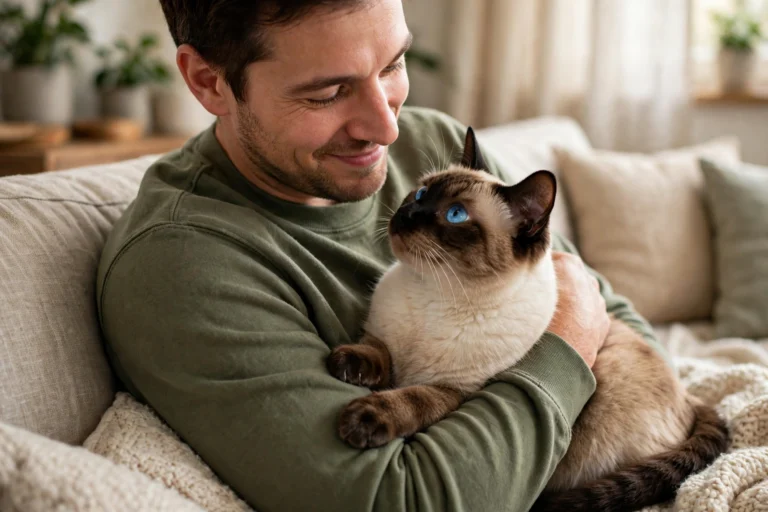
Temperament is where male vs female Maine Coon debates get heated. Many breeders describe males as the clowns of the breed: goofy, dog-like, and quick to greet people at the door. They often follow their owners from room to room. Females often come across as more watchful. They may study a stranger first, then choose one favorite person.
Affection follows a similar split, with big exceptions. Males more often seek laps and stay close for long cuddle sessions. Females can be just as loving, yet many show it on their own terms: a head bump here, a nap beside you rather than on you. Some owners report the reverse. Both reports are real, so meet the kitten before you trust a stereotype. Early handling and play shape confidence far more than sex alone, and both sexes bond strongly with children when they grow up with gentle handling.
Grooming and Care Differences
Both sexes wear the same long, shaggy double coat, so grooming needs are close. Brush two or three times a week to stop mats in the armpits, behind the ears, and under the ruff. Males often carry a thicker mane and heavier coat, which means a few extra minutes per session and more loose fur. Females shed just as much in spring, when the winter coat drops.
Daily care is otherwise the same. Keep nails trimmed, check ears for dirt, and brush teeth when you can. The real difference is scale: a bigger male eats more, drinks more, and fills the litter box faster. A large litter box and a tall scratching post matter more for a 17-pound male than for a 10-pound female.
Food is part of grooming and coat health. A diet rich in animal protein supports the thick coat and slow growth of both sexes. Our guide to what to feed a Maine Coon covers portions by age, so a growing male does not put on fat while he is still filling out.

Health Differences
Maine Coons of both sexes share the same breed health risks. Hypertrophic cardiomyopathy (HCM), a thickening of the heart muscle, leads the list, along with hip dysplasia and spinal muscular atrophy (SMA). Good breeders screen breeding cats for HCM and SMA, so ask for test results before you choose a kitten. The CFA breed page describes the breed’s build and history and is a solid check against breeder claims.
The clearest sex-based health gap is urinary trouble. Male cats have a narrower urethra than females, so they face a higher risk of urinary blockage, a painful emergency that needs a vet at once. Watch for straining, small or bloody urine, and crying while trying to go. Fresh water, wet food, and a clean box help both sexes, but they matter most for males.
Females carry their own risk if left unspayed. Each heat cycle brings yowling, restlessness, and a strong urge to escape and mate. Spaying ends heat cycles and removes the risk of pyometra, a serious womb infection. Lifespan shows no clear sex gap: most Maine Coons live 10 to 13 years, and weight, genes, and indoor life shape that number more than sex.
Cost Differences: Purchase Price and Neutering or Spaying
Purchase price rarely splits male vs female Maine Coon kittens by sex alone. Most breeders charge the same range for pet-quality kittens of either sex, with price set by pedigree, coat color, region, and reputation. A female sold with breeding rights often costs more, because she can produce litters. Always ask what the price covers: vet checks, vaccines, and health screening should be in the list.
The surgery bill is where sex shows up. Spaying a female usually costs more than neutering a male, because spaying is abdominal surgery that takes longer and needs more aftercare. Prices vary widely by city, clinic, and the cat’s size, so get a quote from your own vet before you budget.
Day-to-day costs lean male, but only slightly. A bigger cat eats more food and needs larger supplies. Vet bills are similar for both sexes once the surgery is done. Over a 10- to 13-year life, food and routine vet care dwarf the one-time surgery gap, so pick the cat that fits your home, not the cheaper surgery.
Which Sex Fits Which Home Better
There is no best sex in the male vs female Maine Coon choice for every home, but some patterns can guide you. First-time owners often enjoy males, because their goofy, social style forgives beginner mistakes and they greet guests with ease. Families with gentle children do well with either sex, since Maine Coons are patient, but a male’s extra size means a small child should learn to handle him with care.
Small flats suit females a little better on paper: a smaller cat needs less space, a smaller tree, and a smaller box. Yet a calm male can thrive in a flat too. Homes with another cat do best with a slow introduction, whatever the sexes, though many owners find a male-female pair settles with less rivalry than two males.
Busy workers should weigh company over sex. Maine Coons hate long lonely days, male or female. A female may cope a bit better alone for a workday, while a male may demand more play when you get home. If you are out most of the day, two cats or a pet sitter helps more.
What Breeders and Owners Disagree About
Ask ten owners about male vs female Maine Coon affection and you will get ten answers. Breeders often say males are the cuddly ones and females are the independent ones. Yet owner forums are full of the opposite story: aloof males and clingy females. Both sides are right about their own cats. Bloodlines differ, early handling differs, and neutering changes behavior, so a sex label alone cannot predict one kitten.
The honest takeaway is simple: use sex as a starting guess, then meet the kitten. Watch how it greets you and how it plays. A confident, friendly kitten of either sex will usually grow into a confident, friendly adult. If a breeder will not let you meet the kitten or its mother, walk away, whatever the sex on offer.
Frequently Asked Questions
Are male Maine Coons bigger than females?
Yes. Adult males usually weigh 13 to 18 pounds, while females weigh 9 to 13 pounds, based on TICA’s breed ranges. Some large males pass 20 pounds, but that is uncommon. Males also tend to be longer and taller, so they need bigger carriers and litter boxes.
Are male or female Maine Coons more affectionate?
Males are often described as more openly affectionate and more likely to ask for laps. Females can be just as loving but often show it on their own terms. Individual cats vary a lot, so meet the kitten before you judge by sex alone.
Do female Maine Coons spray?
Females spray far less often than unneutered males, but any unneutered cat can spray. Spaying sharply cuts the habit, just as neutering does in males. A cat that still sprays after surgery needs a vet check, since stress or urinary trouble can be the cause.
Which sex is better for families with children?
Both sexes do well with gentle, respectful children, since Maine Coons are patient by nature. Males are often more playful and tolerant, while females may prefer calmer play. Teach children to handle the cat gently and supervise play with very young kids.
Do male Maine Coons cost more than females?
Purchase prices are usually similar for pet-quality kittens of either sex. Females sold with breeding rights often cost more. Neutering usually costs less than spaying, and a larger male eats a bit more, but the lifetime cost gap is small.
Do male or female Maine Coons live longer?
No clear lifespan gap exists between the sexes. Most Maine Coons live 10 to 13 years with good care. Weight, genes, vet care, and indoor life shape lifespan far more than sex. Keep your Maine Coon lean, active, and screened for heart disease.
Conclusion
Male vs female Maine Coon cats differ most in size, and far less in heart. Males usually grow bigger, act goofier, and ask for more lap time, while females stay smaller, keep more independence, and bond on their own terms. Grooming, health, and cost differ only at the edges. A good breeder, early handling, and a calm home shape the adult cat far more than sex alone, so meet the kitten and choose the cat that fits your life.
General information only — not veterinary advice

MyPetsCreature is a trusted digital resource dedicated to providing well-researched, human-centric insights into pet care, health, and behavior. Our team of passionate pet enthusiasts delivers reliable advice, comprehensive guides, and essential tips to help pet parents worldwide ensure the well-being and happiness of their companion animals.