Male vs Female Dachshund: Temperament, Size & Cost
Male vs female Dachshund is the first choice many future owners face, and the honest answer is less simple than most lists suggest. Both sexes share the same bold, clever and playful breed character, yet small average differences in size, confidence, marking and heat cycles can change daily life in a real home. Breeders and owners disagree about many of these traits, and the puppy in front of you matters more than any general rule.
Use the comparison below to match a dog to your home, your routine and your other pets, not to a stereotype. A calm male can outshine a bold female, and a steady female can suit a busy family better than a restless male. Meet the litter, ask the breeder about each puppy, and choose the dog whose energy and habits fit your life.
Table of Contents
- Male vs Female Dachshund at a Glance
- Size and Build Differences: Male vs Female Dachshund
- Temperament Differences
- Training Differences
- Marking and Spraying Behaviour
- Neutering and Spaying Considerations
- Cost Differences
- Which Sex Suits Which Home Better?
- Male vs Female Dachshund With Children and Other Pets
- Frequently Asked Questions
- Conclusion
Male vs Female Dachshund at a Glance
Read the table first for a quick view, then read the sections that matter most to you. Every row describes a common trend, not a promise about one dog.
| Trait | Male Dachshund | Female Dachshund |
|---|---|---|
| Size | Often a little taller and heavier | Often a little smaller and lighter |
| Temperament | Often more playful and people-focused | Often more independent and watchful |
| Training | Often keen to please, but easily distracted | Often quick to learn, but can test rules |
| Marking | More likely to lift a leg and mark indoors | Less likely to mark, but can do so too |
| Heat cycles | None | Usually twice a year unless spayed |
| Neutering or spaying | Neutering is usually a shorter, simpler operation | Spaying is usually a bigger operation and often costs more |
| With a second dog | Often pairs well with a female | Often pairs well with a male; two females can clash |
| Best fit | Often suits owners who want a shadow-like companion | Often suits owners who want a calmer, more self-reliant dog |
Size and Build Differences: Male vs Female Dachshund
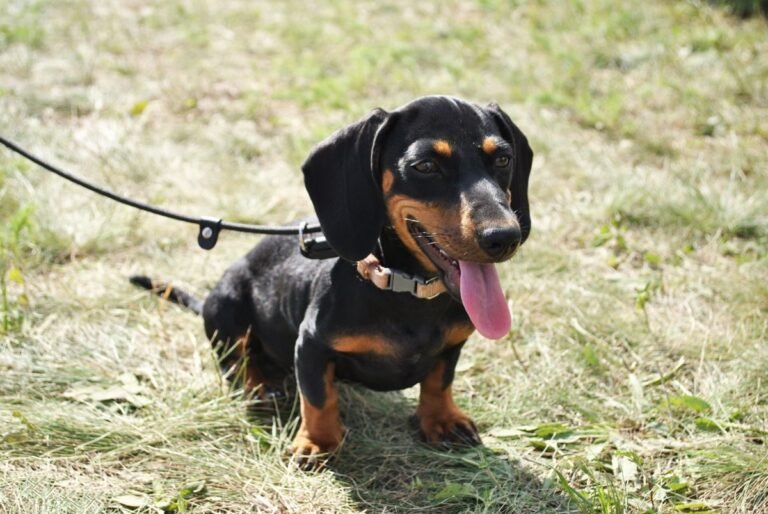
On average, male Dachshunds grow a little larger than females, but the gap is small and the size type matters far more. The American Kennel Club lists standard Dachshunds at 16 to 32 pounds and 8 to 9 inches tall at the shoulder, while miniature Dachshunds weigh 11 pounds and under and stand 5 to 6 inches tall. A large miniature female can outweigh a small standard male, so check the parents and the puppy, not the sex alone. The American Kennel Club Dachshund breed page gives the official size and breed standard.
Males often look a little broader in the chest and head, while females often look a little finer. That difference rarely changes care, feeding or exercise needs. Both sexes need the same care for a long back: ramps or steps to the sofa and bed, a healthy weight, and no rough jumping. If you live in a small flat, a miniature of either sex will feel easier than a standard, and our miniature Dachshund vs standard Dachshund guide explains that choice in detail. For the full breed picture, see the Dachshund breed guide on MyPetsCreature.
Temperament Differences
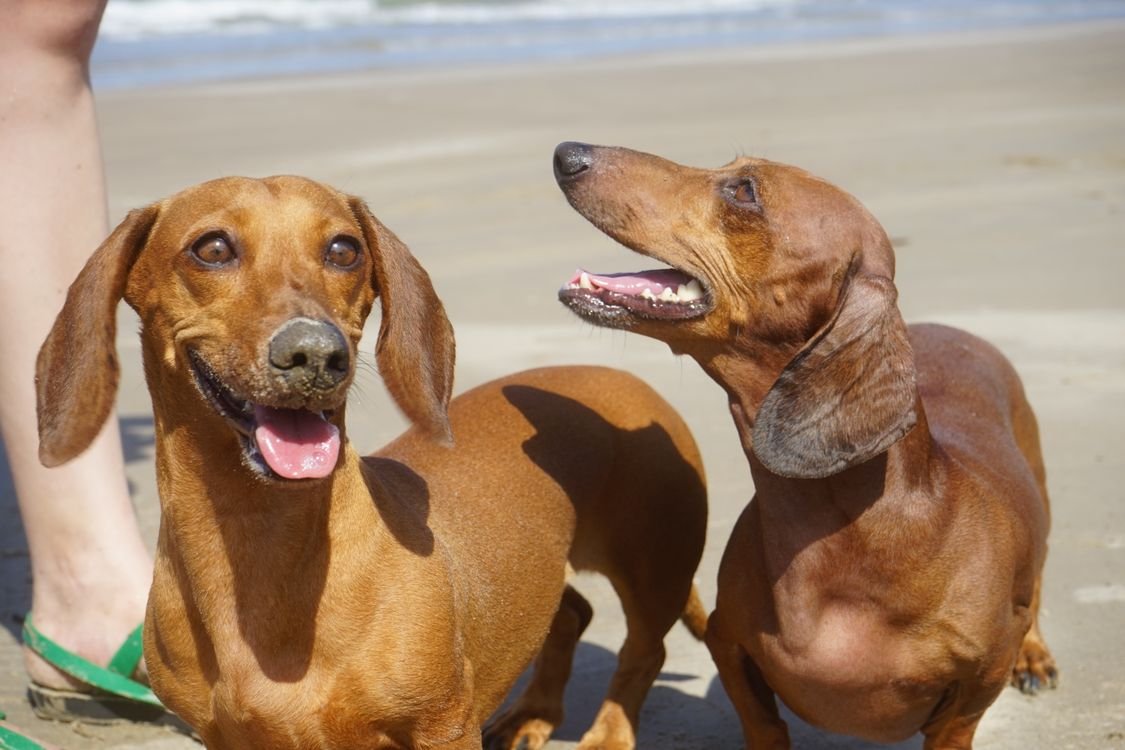
Temperament is where owners disagree most in a male vs female Dachshund comparison. Many owners say males act like loyal shadows: they follow people from room to room, ask for cuddles, and want to join every game. Many owners say females act more self-reliant: they enjoy affection on their own terms, watch new people first, and settle alone more easily. Both patterns are real, and both appear in the other sex too.
Think about your daily routine in a male vs female Dachshund choice before you pick a side. If you work from home and enjoy a dog at your feet all day, a people-focused male often feels like a good match. If you leave the house for a few hours and want a dog that can rest alone without stress, a more independent female often copes better. Still, test the puppy: a bold female puppy can be far more demanding than a calm male puppy from the same litter.
Training Differences
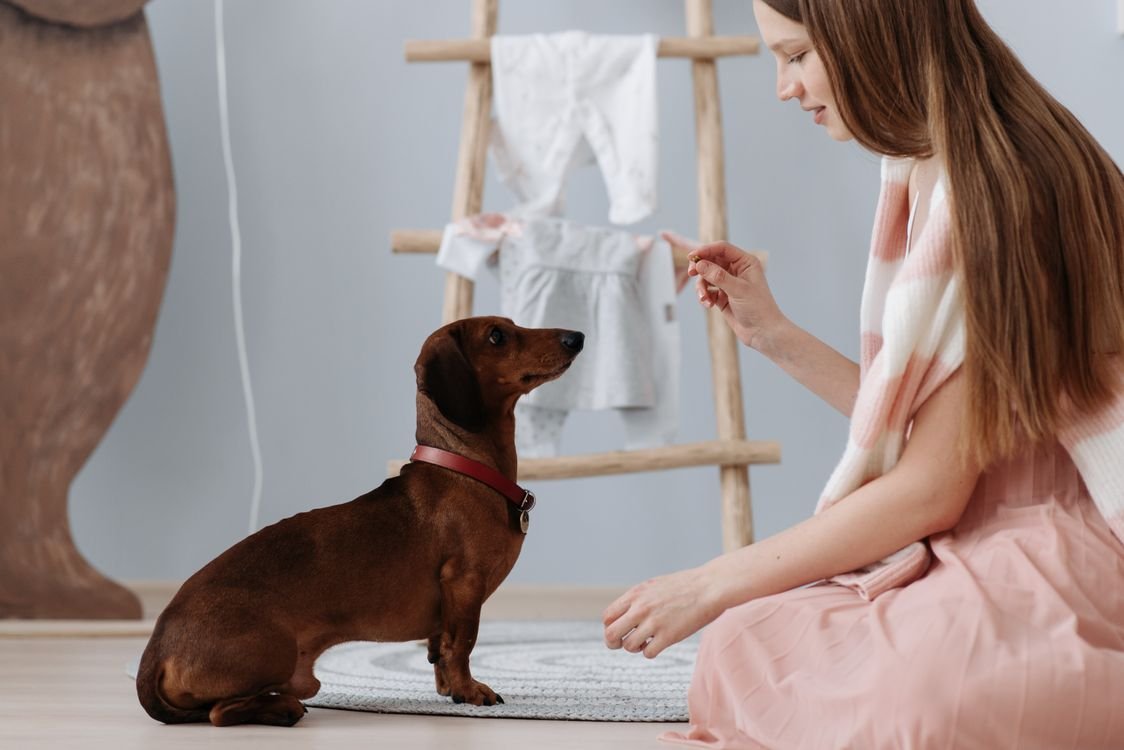
Both sexes learn fast in a male vs female Dachshund comparison when training feels like a game, and both can turn stubborn when it feels dull. Owners often report that males stay keen to please and respond well to food rewards, praise and short, fun sessions. Owners often report that females learn a new cue faster, then test whether the rule still counts when a smell or a squirrel appears. Neither pattern is a rule for every dog.
House training takes patience with either sex. Dachshunds have small bladders, hate cold and wet weather, and can hide to toilet indoors if they feel rushed. Keep a fixed routine, take the puppy out after meals, play and sleep, praise every success outside, and never shout after an accident. Clean indoor spots with an enzyme cleaner so the smell does not draw the dog back.
Marking and Spraying Behaviour
Marking is the most practical difference in a male vs female Dachshund comparison for many owners. Unneutered males often lift a leg to leave small amounts of urine on furniture legs, door frames and new objects, inside and outside. The habit can start in adolescence and can become a routine if it goes unchecked. Early neutering, steady house training and quick cleaning can reduce it, but they do not always stop it. A male that marks at a friend’s house may stay clean at home, and a male that marks at home may stop with a clear routine.
Females mark less often, but they can mark too, mainly when a new dog visits, when the home changes, or when they feel unsure. A female in heat can also leave small blood spots for two to three weeks, and male dogs may gather near your home during that time. Washable dog pants, extra bedding and more frequent walks help during a heat cycle. Keep an unspayed female on a lead and away from unneutered males while she is in season.
Neutering and Spaying Considerations
Neutering a male and spaying a female both stop unwanted litters, yet the operations differ. Neutering is usually a shorter operation with a faster recovery, while spaying is abdominal surgery with a longer rest period. Spaying also ends heat cycles and removes the risk of a womb infection, while neutering can reduce roaming, mounting and some marking. In a male vs female Dachshund decision, talk to your vet about timing, because advice varies by size, age and health, and the right age for a small Dachshund may differ from the right age for a larger breed.
Cost Differences
Day-to-day costs in a male vs female Dachshund comparison are almost the same for both sexes: food, treats, toys, bedding, grooming and vet checks cost the same for a dog of the same size. The main cost gaps come at the start and at surgery. Some breeders charge a little more for females because they can be used for breeding, while others charge the same for both sexes. That price gap is a breeder choice, not a breed rule, and a higher price does not mean a better puppy.
Spaying usually costs more than neutering because the operation is more complex and takes longer. A female in heat can also add costs for washable pants, extra bedding and cleaning. A male that marks indoors can add costs for cleaning products and, in rare cases, damaged rugs or furniture. Ask local vets for prices before you bring a puppy home, and keep a small fund for the first year of vet care.
Which Sex Suits Which Home Better?
In a male vs female Dachshund choice, a male often suits a first-time owner who wants a playful, people-focused dog and can give plenty of attention. A female often suits an owner who works part of the day and wants a dog that can rest alone, or a home that wants a calmer companion. These are starting points, not rules. A retired owner with time for walks may love a bold female, and a busy family may love a gentle male.
For a second dog, many breeders and trainers suggest a male and a female pair, because same-sex pairs can clash more, mainly two females. That advice is common, yet many same-sex pairs live happily together with good introductions, space and training. Meet the dogs first, let them walk together on neutral ground, and watch how they share toys, beds and attention before you decide.
Male vs Female Dachshund With Children and Other Pets
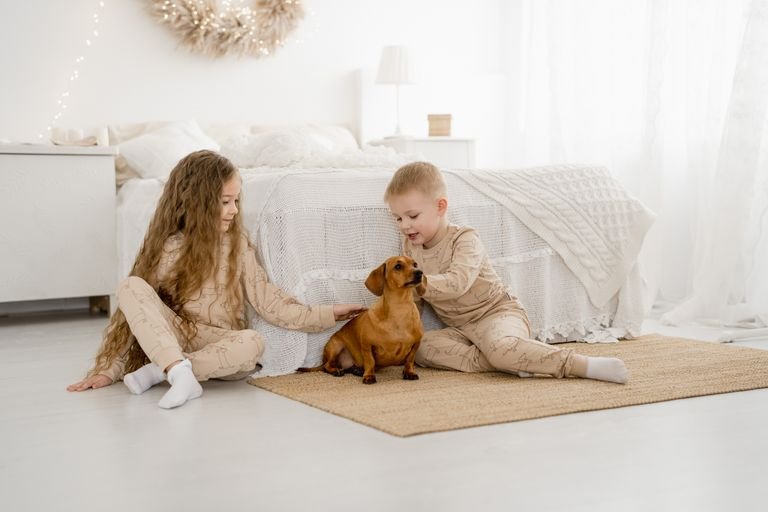
With children, the dog’s training and the child’s manners matter more than sex. Dachshunds can snap if they feel trapped, picked up roughly or woken suddenly, because of their long backs and bold nature. Teach children to sit on the floor to play, to avoid lifting the dog, and to give the dog space when it rests. Supervise every meeting, and give the dog a safe bed it can reach on its own.
With other pets, early meetings help both sexes. A male may try to play more boldly with another dog, while a female may guard her food, toys or bed more keenly. Feed dogs apart at first, give each dog its own bed, and watch play for signs of stress. With cats and small pets, keep the Dachshund on a lead at first, because the breed’s hunting instinct can be strong.
Frequently Asked Questions
Are male or female Dachshunds more affectionate?
Many owners find males more openly affectionate and keen to stay close, while females show affection on their own terms. Both sexes can be loving, and the puppy’s nature matters more than sex.
Are male or female Dachshunds easier to train?
Many owners find females learn cues a little faster, while males stay more eager to please. Both need short, reward-based sessions, a fixed routine and patience with house training for most families.
Do male Dachshunds mark more than females?
Yes, unneutered males mark more often, mainly by lifting a leg on vertical surfaces. Females can mark too, mainly when a new dog visits or the home changes, but it is less common.
Are female Dachshunds calmer than males?
Often, yes, females seem calmer and more independent, while males seem more playful and lively. The gap is small, and a bold female can be far livelier than a calm male.
Which sex is better for a first-time owner?
A male often suits a first-time owner who wants a social, playful companion, while a female often suits an owner who wants a calmer dog. Meet the litter and pick the puppy that fits your routine.
Should I get two male Dachshunds or a male and a female?
Many breeders suggest a male and a female pair, because two females can clash more. Many same-sex pairs still live happily together with good introductions, space and training before you bring a second dog home.
Conclusion
Male vs female Dachshund comes down to small average differences, not a clear winner. Males often grow a little larger, act more playful and mark more, while females often stay a little smaller, act more independent and need care during heat cycles. Costs, training and daily care stay close for both sexes, and the puppy’s own nature, health and early training shape adult life far more than sex does. Meet the litter, ask honest questions, and choose the dog that fits your home, your time and your other pets.
General information only — not veterinary advice

MyPetsCreature is a trusted digital resource dedicated to providing well-researched, human-centric insights into pet care, health, and behavior. Our team of passionate pet enthusiasts delivers reliable advice, comprehensive guides, and essential tips to help pet parents worldwide ensure the well-being and happiness of their companion animals.