

Gray White Cat Patterns: Bicolor vs Harlequin vs Van
A gray white cat is easy to recognize at a glance, but naming the exact pattern takes a closer look. Soft gray fur mixed with clean white patches can mean bicolor, harlequin, or van, and the difference comes down to how much white there is and where the color sits.
This post works through each pattern in turn, with checks you can use on any cat: how much white there is, where the color sits, and whether the gray patches are solid or striped. By the end, you will be able to tell bicolor from harlequin from van, and spot tabby and tuxedo-style looks too.
Table of Contents
- What Is a Gray White Cat?
- Gray White Cat Patterns: How to Tell Them Apart
- Bicolor, Harlequin, and Van: What to Look For
- Gray and White Tabby and Tuxedo-Style
- Gray White Cat Patterns at a Glance
- Breeds and Care: A Short Pointer
- Watch: Gray and White Cat Patterns
- Frequently Asked Questions
What Is a Gray White Cat?
A gray white cat is a cat whose coat has both gray and white fur. Gray in cats is often called blue by breeders, but at home most people just say gray.
The white parts come from a gene that stops color from showing in some patches of fur. That is why no two gray and white cats look quite the same.
It helps to know that gray and white is a color pattern, not a breed on its own. A pedigree British Shorthair can be gray and white. So can a rescue cat with no papers at all. When people search for a gray white cat, they are usually looking for that soft two-tone look, not one single breed.
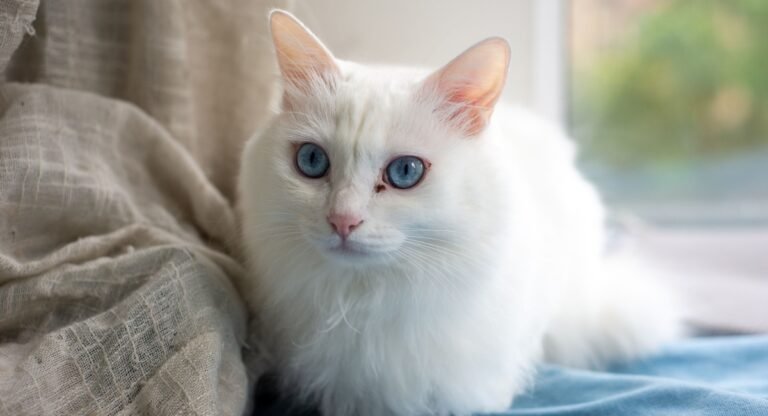
Some gray and white cats are mostly gray with a white chest and white paws. Others are mostly white with gray patches on the head, back, and tail. Both are normal. The amount of white can change how the cat looks a lot, even within the same litter of kittens. At the palest end of the range are White Siamese cats.
Gray White Cat Patterns: How to Tell Them Apart
Three checks sort out most gray and white coats. First, judge how much white there is: about half, mostly white, or almost all white. Second, look at where the color sits: in blocks across the body, or only on the head and tail. Third, check whether the gray patches are solid or marked with stripes or swirls.
Start with the overall balance before you look at small details. A cat that is about half gray and half white points to bicolor. A cat that is mostly white with a few gray patches points to harlequin. A cat that is almost all white, with color mainly on the head and tail, points to van.
Kittens can fool you a little. A tiny kitten may look almost all gray at first, and white patches can show more clearly as the coat grows in.
If you are choosing a kitten, ask to see photos of the parents if you can. That will not give you a perfect guess, but it can give you a rough idea of how the coat may turn out.
Bicolor, Harlequin, and Van: What to Look For
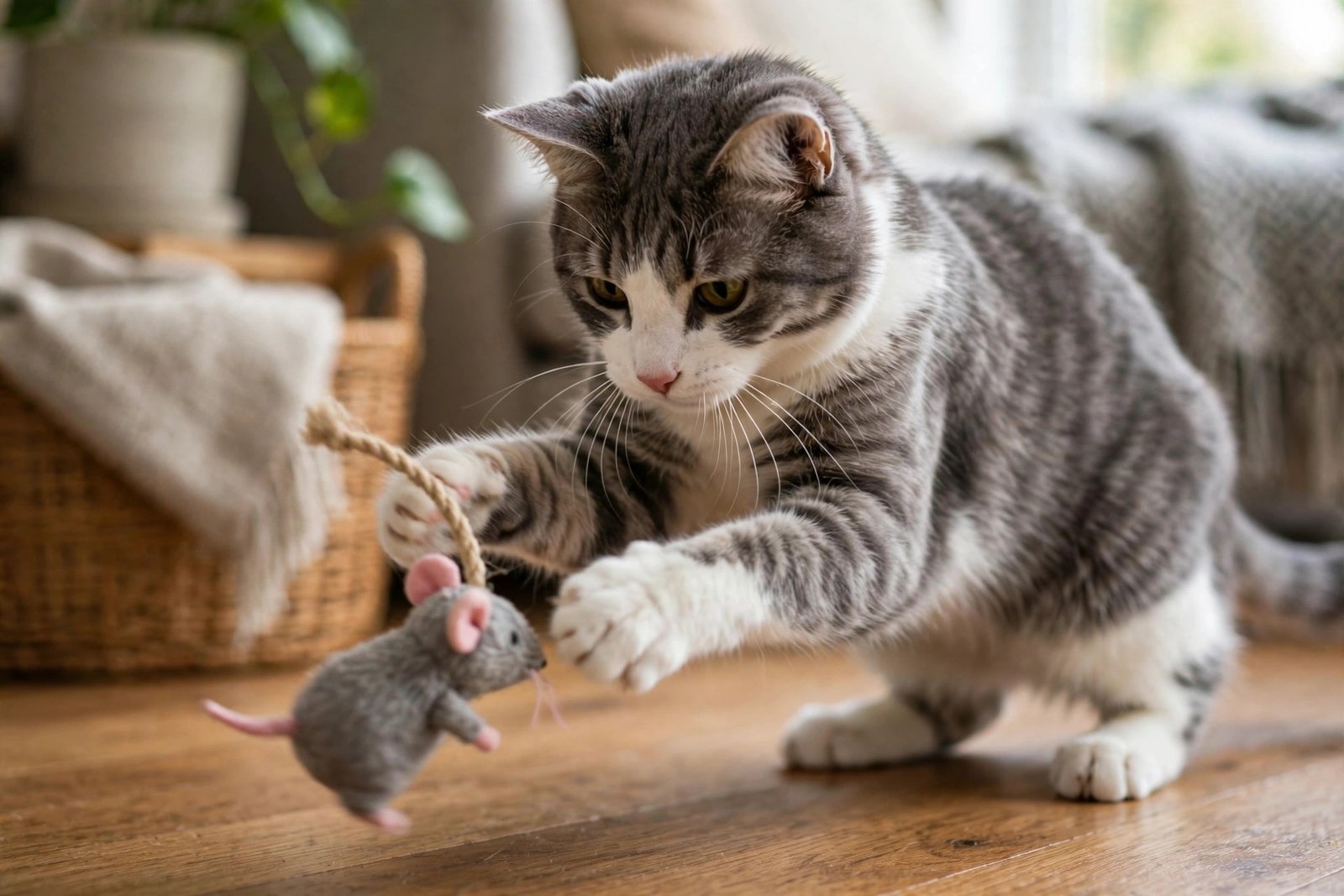
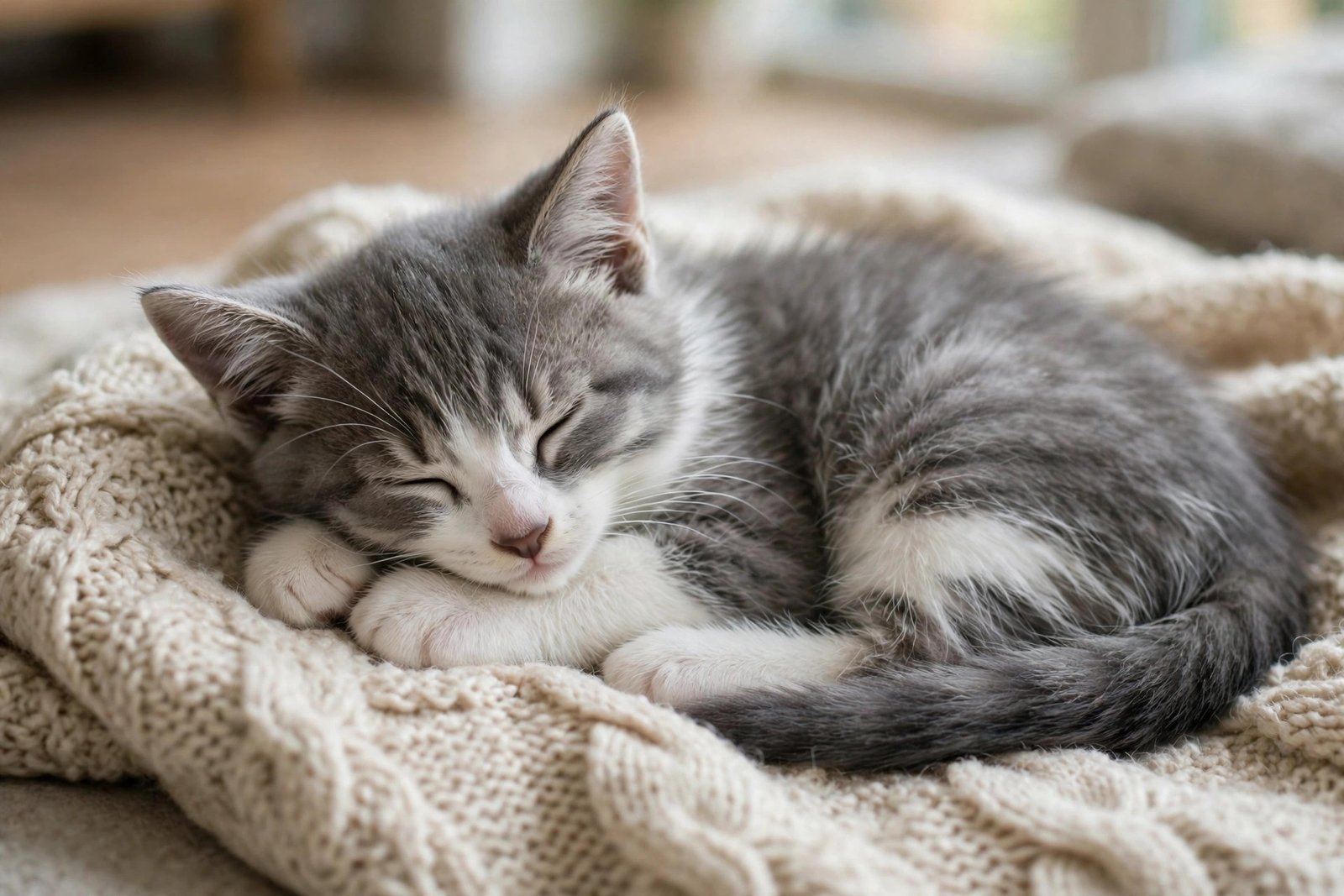
Bicolor is the most common gray and white pattern. Look for clear blocks of gray and white, with white often on the chest, belly, and paws. The split is fairly even: neither color takes over the whole coat, and the edges between gray and white are usually clean and easy to see.
Harlequin is mostly white with a few gray patches. Look for gray on the head and tail first, then check the body for one or two extra patches. If the cat reads as white at a glance and the gray shows up in separate patches rather than large blocks, harlequin is the likely name.
Van is even more white than harlequin. Look for a cat that is almost all white, with color mainly on the head and tail and very little on the body. If you have to hunt for the gray and it sits only on the ears, face, and tail, van fits best.
Some cats sit between two names, and that is normal. A bicolor with a lot of white can look close to a harlequin. In that case, judge by the body: if gray still covers clear blocks across the body, bicolor fits; if the body is nearly all white, harlequin fits.
For a pet cat, either label is fine as a plain description.
Gray and White Tabby and Tuxedo-Style
A gray and white tabby adds a second clue: the gray patches show stripes or swirls instead of solid color. Look inside the gray areas for lines on the legs and face, or swirls on the sides. The white areas stay plain, so the stripes show only where the gray sits.
Tuxedo-style means a gray body with a white chest and paws, like a smart suit. The white often runs up the chest and may reach the face, while the back and sides stay gray. Many people use the tuxedo name for black and white cats, but gray and white cats can show the same neat layout.
Gray White Cat Patterns at a Glance
| Pattern | How much white | What to look for |
|---|---|---|
| Bicolor | About half | Clear blocks of gray and white, often white on chest, belly, and paws |
| Harlequin | Mostly white | A few gray patches, often on head and tail |
| Van | Almost all white | Color mainly on head and tail, very little on body |
| Gray and white tabby | Varies | Gray patches show stripes or swirls instead of solid color |
| Tuxedo-style | White chest and paws | Gray body with a white chest and paws, like a smart suit |
Breeds and Care: A Short Pointer
Many kinds of cats can wear these patterns, from pedigree cats to shelter cats. If you want the breed side in full, our related guide, Grayish White Cat: Breeds, Traits & Care Guide, covers breeds and traits in more depth. That guide is the place for breed detail; this post stays on telling the patterns apart.
Two pattern notes are worth keeping. White patches show dirt and tear staining more easily, so a soft, damp cloth wipe and regular brushing help keep them clean. White ears and noses can also be more sensitive to strong sun, so offer shade on bright days.
If one of these patterns has caught your eye, shelters and rescues are a good place to start, since many gray and white cats wait for homes there.
For general, trusted reading, the ASPCA cat care guidance is a good place to start. You can browse more cat guides in our Cats category.
Watch: Gray and White Cat Patterns
Seeing these coats in motion helps more than photos alone. The video below shows a range of gray and white coats, so you can compare how much white each pattern shows.
Video: Cat Lovers | 24 Stunning Gray and White Cat Breeds You’ll Fall in Love With | Beautiful Cat Breeds by Frontline Analytics.
Frequently Asked Questions
Is a gray white cat a breed?
No. Gray and white is a coat pattern, not a breed on its own. The same two-tone look can appear in pedigree cats such as the British Shorthair and in many rescue cats with no papers at all.
When you choose a gray white cat, judge the individual cat’s size, coat length, and nature, rather than expecting one breed behavior.
What are the main gray and white pattern names?
The most common names are bicolor, harlequin, van, and gray and white tabby. Bicolor means clear blocks of gray and white, harlequin is mostly white with a few gray patches, and van is almost all white with color mainly on the head and tail. A gray and white tabby adds stripes or swirls to the gray patches.
How do I groom the white patches on a gray white cat?
Brush short coats once or twice a week and long coats more often, so loose hair and dirt do not build up. White patches show dirt and tear staining more easily, so wipe around the eyes and mouth gently with a damp cloth when needed. Baths are rarely required, and a vet should check persistent staining or sore skin.
Do gray white cats need extra sun care?
White patches, especially on ears and nose, can be more sensitive to strong sun, so offer shade and limit long sunbathing sessions on bright days. This matters most for cats with pale, thin fur on the ears. If you notice redness, sores, or a changing spot, ask your vet to check it rather than waiting.
Can a gray white kitten’s color change as it grows?
Yes, to some extent. A tiny kitten may look almost all gray at first, and white patches can show more clearly as the coat grows in. The overall pattern usually becomes clearer over the first months, but the final look is best judged in an older kitten or adult cat.
Coat texture and length also become easier to assess with age.
Conclusion
A gray white cat is not one breed and not one look. It is a two-tone pattern with a few clear forms: bicolor, harlequin, van, tabby, and tuxedo-style. Knowing how much white to look for, and where the color sits, makes telling them apart much easier.
If a gray and white cat has caught your eye, take your time. Learn the patterns, then spend time with the individual cat. The right cat is not always the one with the prettiest coat. It is the one whose nature fits your home, your routine, and your heart.
This article shares general information only and is not veterinary advice. If your cat shows signs of illness, pain, or a sudden change in behavior, contact your veterinarian for advice suited to your cat.

MyPetsCreature is a trusted digital resource dedicated to providing well-researched, human-centric insights into pet care, health, and behavior. Our team of passionate pet enthusiasts delivers reliable advice, comprehensive guides, and essential tips to help pet parents worldwide ensure the well-being and happiness of their companion animals.


One Comment