Do Siamese Cats Shed a Lot? Shedding Guide In 2026
No, Siamese cats do not shed a lot. They have a short, fine, single-layer coat with no thick undercoat, so they shed noticeably less than long-haired breeds like Persians or Maine Coons. You will still find some hair around the house, especially during seasonal changes, but Siamese shedding is considered light to moderate.
This guide explains how the Siamese coat works, how their shedding compares to other breeds, what normal seasonal shedding looks like, and the grooming, diet, and home-care steps that keep loose hair under control — plus when extra shedding warrants a vet visit.
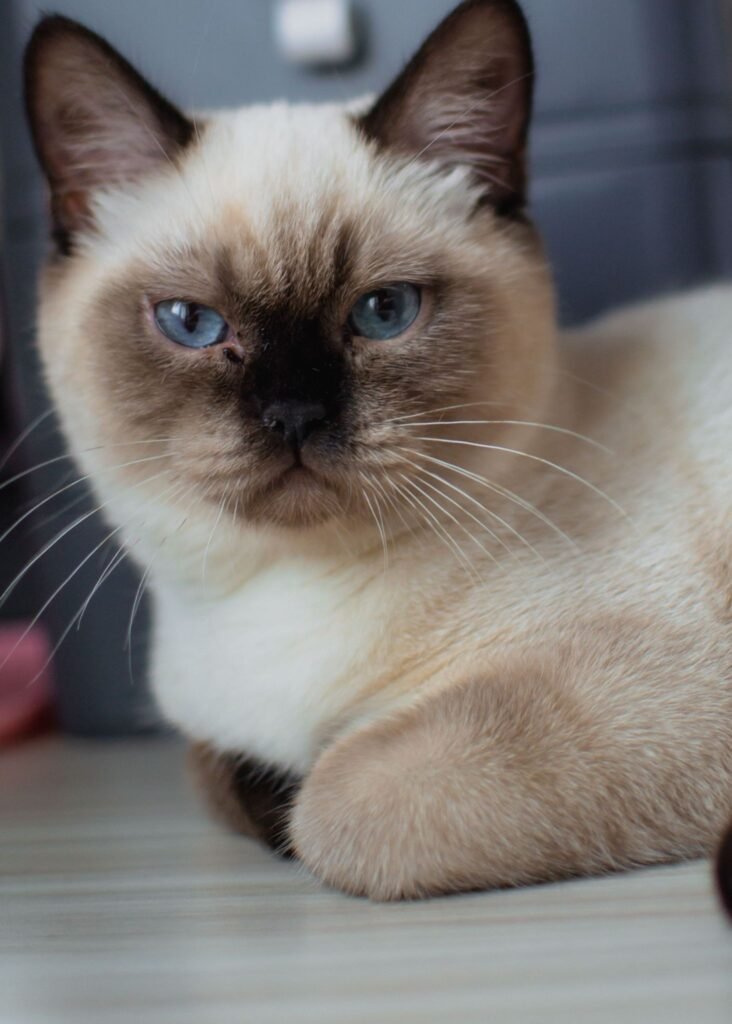
Table of Contents
- The Short Answer: Siamese Shedding at a Glance
- Understanding the Siamese Coat
- How Much Do Siamese Cats Shed Compared to Other Breeds
- Seasonal Shedding: Spring and Fall
- Why Your Siamese Might Be Shedding More Than Usual
- A Grooming Routine That Controls Shedding
- Diet and Shedding: What Vets Generally Recommend
- Managing Siamese Hair Around Your Home
- When Shedding Signals a Health Problem
- Frequently Asked Questions About Siamese Shedding
SECTION 1: The Short Answer: Siamese Shedding at a Glance
Siamese cats are light shedders. Their coat is short, sleek, and lies close to the body, and they lack the dense undercoat that causes heavy shedding in many other breeds. Most owners report finding only small amounts of hair on furniture and clothing during normal weeks.
That said, no cat is truly non-shedding. All cats lose old or damaged hairs as part of the natural hair growth cycle. In Siamese cats, this process is simply less dramatic than in breeds with thick double coats. If you are choosing a cat partly because you want less hair around the house, the Siamese is one of the better options among pedigreed breeds.
SECTION 2: Understanding the Siamese Coat
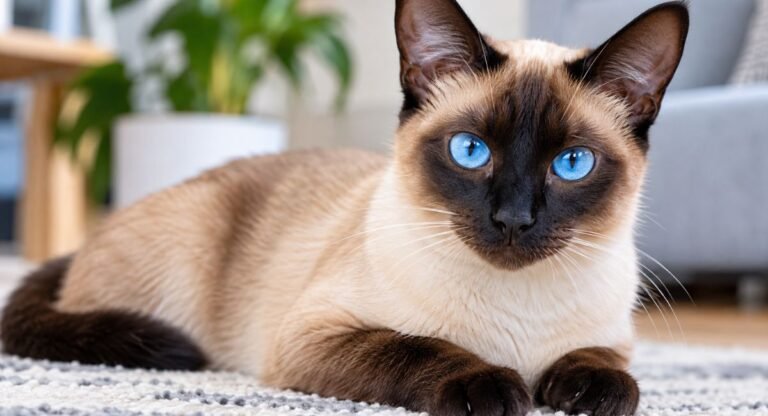
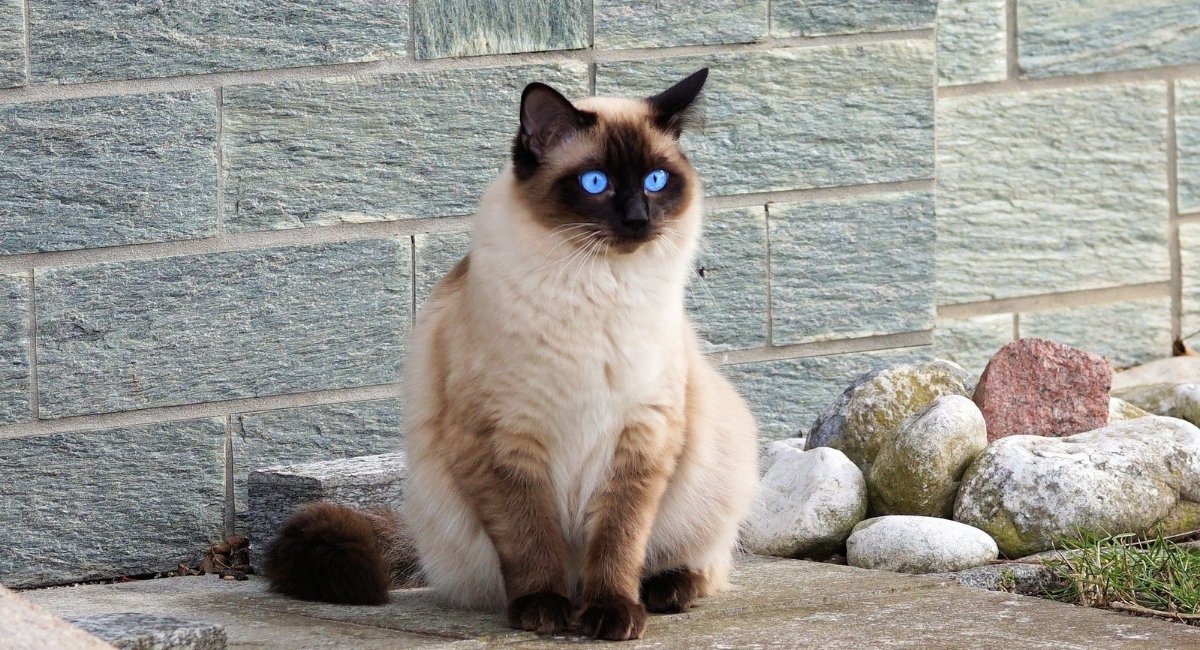
The Siamese coat is one of the breed’s defining features. It is very short, fine-textured, and glossy, lying flat against the body with almost no undercoat. Because there is no fluffy insulating layer underneath, there is simply less hair available to shed in the first place.
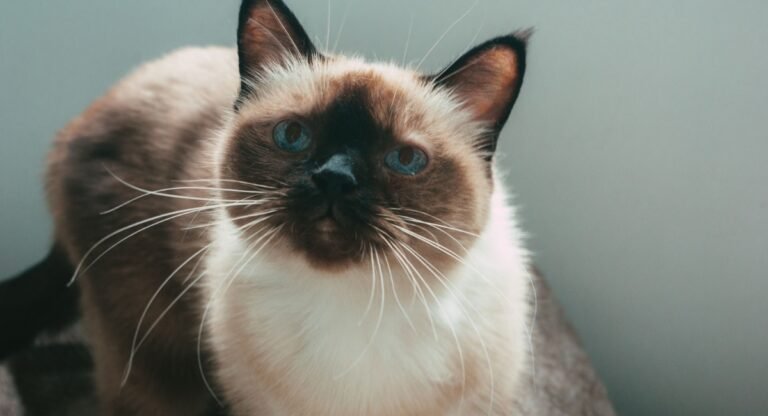
The famous colorpoint pattern — darker ears, face mask, paws, and tail against a lighter body — comes from a temperature-sensitive gene that affects pigment production. This gene influences color, not coat length or shedding, so a Siamese sheds the same regardless of whether it is a seal point, blue point, or chocolate point. If you are curious about the range of shades, our complete guide to every Siamese color walks through all the recognized point colors.
One practical consequence of the thin coat is that loose hairs are fine and short. They are less visible on furniture than long guard hairs, but they can still trigger allergies in sensitive people. No cat breed is truly hypoallergenic, and Siamese cats still produce the Fel d 1 protein found in saliva and skin secretions that causes most cat allergies.
SECTION 3: How Much Do Siamese Cats Shed Compared to Other Breeds
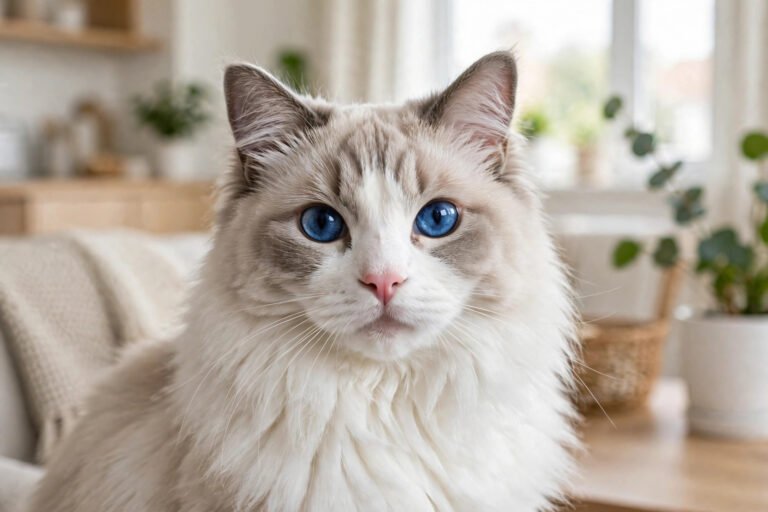
Compared with the average domestic cat, Siamese cats sit at the low end of the shedding scale. Long-haired breeds such as Persians, Ragdolls, and Maine Coons shed heavily and need daily grooming. Most domestic shorthairs fall in the middle. The Siamese, along with breeds like the Burmese and Russian Blue, sheds less than average thanks to its fine single coat.
The table below gives a rough comparison to help set expectations.
| Breed | Coat Type | Typical Shedding Level | Grooming Needed |
|---|---|---|---|
| Siamese | Short, single coat | Light | Weekly brushing |
| Domestic Shorthair | Short, often double coat | Moderate | Weekly brushing |
| British Shorthair | Dense double coat | Moderate to heavy | 2–3 times per week |
| Maine Coon | Long, shaggy | Heavy | Daily brushing |
| Persian | Long, dense | Very heavy | Daily brushing |
Keep in mind that individual cats vary. A Siamese living in a warm home year-round may shed small amounts continuously rather than in obvious seasonal bursts, while one exposed to changing daylight and temperatures may show clearer spring and fall shedding.
SECTION 4: Seasonal Shedding: Spring and Fall
Like most cats, Siamese cats respond to changes in daylight and temperature. In spring, they shed the slightly denser winter coat they grew during shorter days. In fall, they may shed again as the coat adjusts for cooler weather. These are the two times of year you are most likely to notice extra hair on your sofa or clothes.
Indoor cats often shed more evenly throughout the year because artificial lighting and heating blur the seasonal signals. If your Siamese lives strictly indoors, do not be surprised if shedding looks steady rather than seasonal. This is normal and not a cause for concern on its own.
During peak shedding weeks, a quick daily brushing session of two to three minutes removes loose hair before it lands on your furniture. A rubber grooming brush or a fine-toothed metal comb works well on the short Siamese coat. Because the coat is so fine, avoid harsh slicker brushes that can scratch the skin.
SECTION 5: Why Your Siamese Might Be Shedding More Than Usual
A sudden increase in shedding usually has an explanation. Stress is one of the most common causes. Siamese cats are famously social and sensitive to change, so a move, a new pet, a new baby, or even rearranged furniture can trigger extra hair loss. The shedding typically settles once the cat adjusts.
Diet changes can also play a role. A food that does not agree with your cat, or a switch to a lower-quality diet, may show up first in coat condition. Dry, dull fur and increased shedding sometimes appear together. Pregnancy and nursing increase shedding in queens, and this is a normal hormonal effect.
Excessive grooming is another culprit that looks like shedding. Anxious or bored Siamese cats may over-groom their belly or legs, creating thin patches that owners mistake for heavy shedding. Because Siamese cats are so people-oriented, loneliness during long workdays is a frequent trigger. Interactive play sessions and puzzle feeders can help.
SECTION 6: A Grooming Routine That Controls Shedding
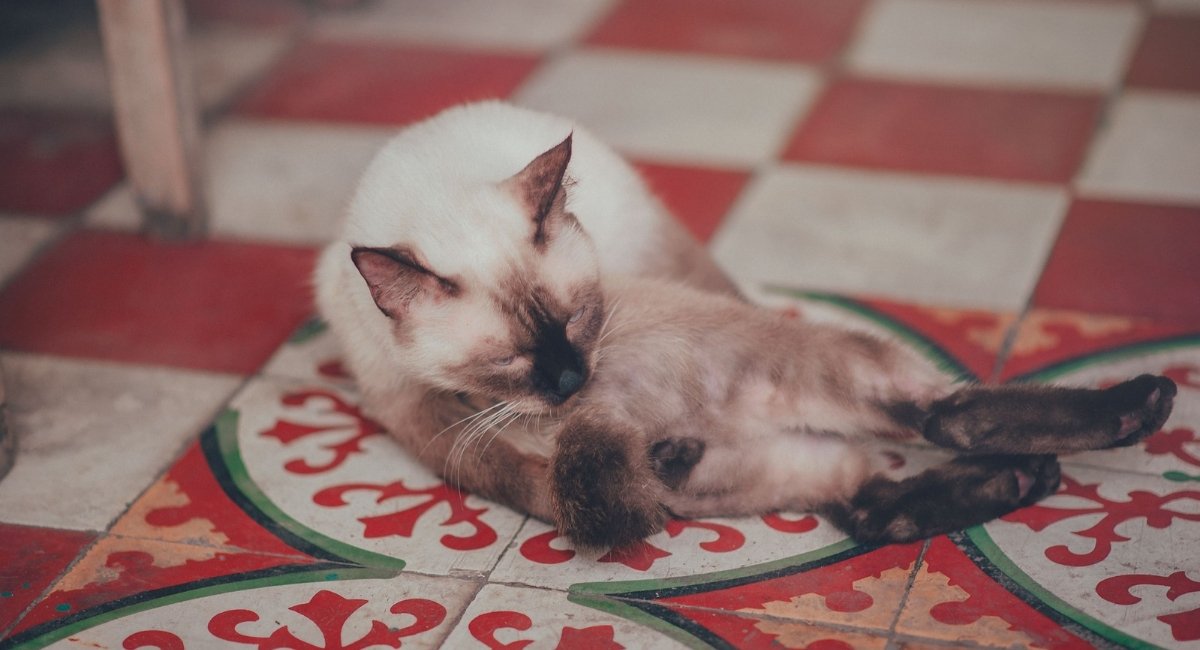
The good news is that Siamese grooming is simple. A weekly brushing session is enough for most of the year. Use a soft rubber brush or grooming glove and stroke in the direction of hair growth. You will be surprised how much loose hair comes off in just a couple of minutes, even on a cat that does not look like it sheds.
During spring and fall shedding peaks, increase brushing to two or three times per week. Finish with a slightly damp cloth or grooming wipe to pick up the finest hairs. This also reduces the hair your cat swallows during self-grooming, which means fewer hairballs.
Bathing is rarely necessary for Siamese cats and can dry out their skin if done too often. If a bath is truly needed, use a gentle cat-specific shampoo and rinse thoroughly. Most Siamese keep themselves impeccably clean. Trim nails every two to three weeks, and check ears during grooming sessions, since the large Siamese ears can collect wax.
SECTION 7: Diet and Shedding: What Vets Generally Recommend
A healthy coat starts from the inside. Vets generally recommend a complete, balanced diet formulated for your cat’s life stage, with high-quality animal protein as the foundation. The amino acids in meat protein are the building blocks of hair, and deficiencies can lead to a dull coat and extra shedding.
Omega-3 and omega-6 fatty acids support skin health and coat shine. Many quality cat foods already include fish oil or flaxseed for this purpose. If your vet agrees, an omega supplement can help cats with dry, flaky skin. Always check with your vet before adding supplements, since dosing matters and some human products are unsafe for cats.
Fresh water matters too. Cats on dry-food-only diets sometimes have duller coats, and encouraging hydration with a water fountain or some wet food can improve skin condition. Sudden coat changes after a diet switch deserve a vet call, especially if paired with weight loss, vomiting, or lethargy.
SECTION 8: Managing Siamese Hair Around Your Home
Even light shedders leave hair behind, but a few habits keep it invisible. Throws on your cat’s favorite sleeping spots catch most of the hair in one washable place. A rubber-bristled broom or a damp rubber glove picks fine Siamese hairs off upholstery far better than a standard lint roller, though keeping a lint roller by the door is still smart.
For clothing, choose fabrics that release hair easily if your Siamese is a lap cat. Tightly woven materials shed hair in the wash, while fleece and wool seem to magnetically attract it. A quick brush of your cat before cuddle time also reduces what transfers to you.
Run your vacuum with a HEPA filter regularly, especially if anyone in the home has allergies. Because Siamese hairs are short and fine, they work their way deep into carpet fibers, so a vacuum with good suction matters more than it would for long-haired breeds whose hair sits on the surface.
SECTION 9: When Shedding Signals a Health Problem
Normal shedding is even and never creates bald spots. See your vet if you notice patchy hair loss, red or flaky skin, sores from scratching, or a suddenly dull, greasy coat. These can point to allergies, skin infections, parasites, or hormonal conditions such as hyperthyroidism.
Excessive shedding paired with other symptoms — weight loss, increased thirst, vomiting, or behavior changes — always warrants a prompt vet visit rather than a wait-and-see approach. Senior Siamese cats in particular benefit from regular checkups, since early detection makes most conditions easier to manage.
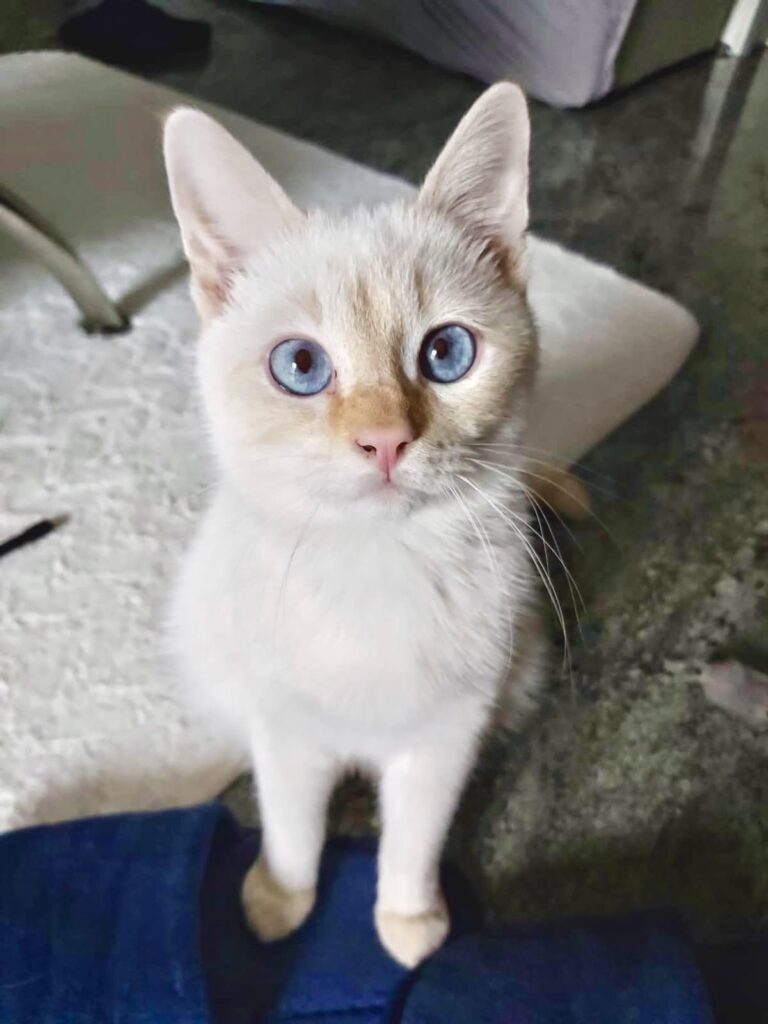
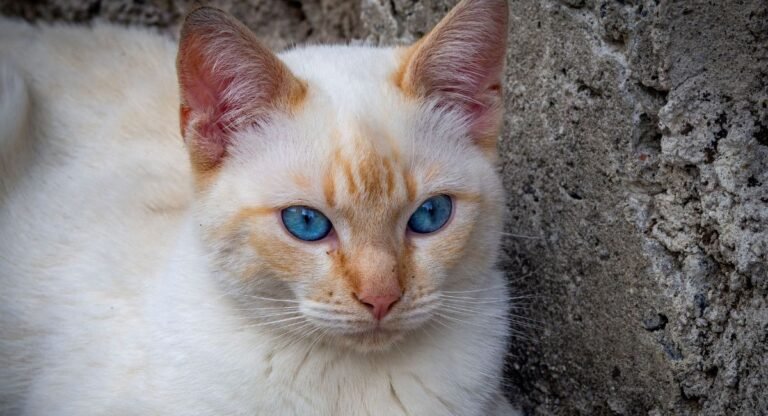
If your white-coated Siamese-looking cat also has blue eyes, you may be dealing with a different genetic picture than a standard pointed Siamese. Our guide on white Siamese cats with blue eyes explains how to tell a pale-pointed Siamese from a solid white cat, which matters because the health considerations differ.
SECTION 10: Frequently Asked Questions About Siamese Shedding
Do Siamese cats shed less than other cats?
Yes. Their short single coat with no dense undercoat means they shed less than most domestic shorthairs and far less than long-haired breeds, and weekly brushing keeps it manageable.
Are Siamese cats hypoallergenic?
No cat breed is truly hypoallergenic. Siamese cats produce less loose hair, which can mean less allergen spread around the house, but they still produce the Fel d 1 protein that triggers most cat allergies. Spend time with the breed before committing if allergies are a concern.
Why is my Siamese shedding so much all of a sudden?
Sudden heavy shedding often comes from stress, seasonal change, diet shifts, or over-grooming due to boredom or anxiety. If the shedding is patchy, or comes with skin redness, sores, or other symptoms, see your vet to rule out allergies, parasites, or thyroid issues.
How often should I brush my Siamese cat?
Once a week is enough for most of the year. During spring and fall shedding peaks, brush two to three times per week. Use a soft rubber brush or grooming glove, and finish with a damp cloth to catch fine hairs.
Do Siamese kittens shed?
Very little. Kittens have soft, fine baby coats and shed minimally. You may notice slightly more shedding as the kitten coat transitions to the adult coat in the first year, which is completely normal.
Can diet reduce shedding in Siamese cats?
A balanced, high-quality diet supports a healthy coat and can reduce excessive shedding caused by nutritional gaps. Omega fatty acids help skin health. But diet will not stop normal seasonal shedding, and sudden coat changes after a food switch deserve a vet check.
Conclusion
Siamese cats are light shedders thanks to their short, fine, single-layer coat. A little seasonal shedding in spring and fall is normal, and a simple weekly brushing routine keeps loose hair under control for most of the year.
Feed a balanced diet, keep stress low, and watch for warning signs like bald patches or skin irritation. For more on this striking breed, explore our white Siamese breed guide and the full Siamese color range. With minimal grooming effort, a Siamese rewards you with a sleek coat and even sleeker companionship.

MyPetCreature is a trusted digital resource dedicated to providing well-researched, human-centric insights into pet care, health, and behavior. Our team of passionate pet enthusiasts delivers reliable advice, comprehensive guides, and essential tips to help pet parents worldwide ensure the well-being and happiness of their companion animals.