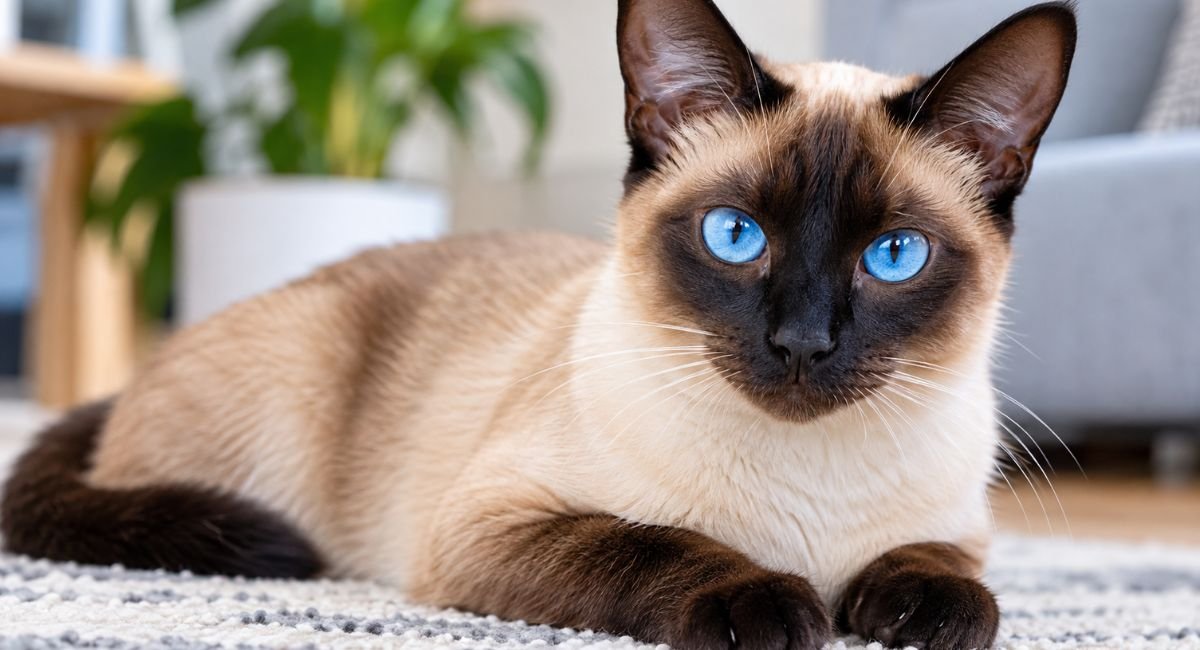
Siamese Cat Colors: Complete Guide to Every Color and Point
The Cat Fanciers’ Association (CFA) recognizes four Siamese colors: seal point, chocolate point, blue point, and lilac point. All four share the same pattern, a pale body with darker color on the ears, face mask, legs, feet, and tail, but they differ in how warm or cool the body and points look. TICA also accepts red, cream, lynx, and tortie points under the Siamese name, while CFA registers those as Colorpoint Shorthair. This guide covers how each color looks, how Siamese coats develop their color, and how to tell the points apart.
Table of Contents
- What Are Siamese Cat Colors?
- How Each Siamese Color Looks
- Recognized Colors vs. Other Point Colors
- How Siamese Coat Color Works
- How Kitten Color Develops
- Color, Personality, and Health
- Caring for a Pointed Coat
- Siamese vs. Similar Pointed Cats
- Adoption and Buying Considerations
- Frequently Asked Questions About the Siamese Cat Colors
SECTION 1: Siamese Cat Colors?
In cat-fancy terminology, a “point” is a darker area of fur on the cooler extremities of the body: the ears, mask, legs, paws, and tail. “Siamese cat colors” therefore means the color of those points, which also names the variety: seal point, blue point, and so on.
A few terms come up often:
- Pointed pattern (colorpoint): the overall pattern of dark extremities and a lighter body. It is a pattern, not a color.
- Mask: the darker area on the face. In a well-marked cat it covers the nose and muzzle and extends toward the ears without a solid bridge over the head.
- Shading: the gradual darkening of the body, especially on the back and sides, as the cat ages.
A common misconception is that a “Siamese” is any cat with a pointed coat and blue eyes. The pattern appears in other breeds and in mixed-breed cats too, including Ragdolls, Birmans, and many domestic shorthairs. A cat looks Siamese-colored because of one gene, but breed identity depends on pedigree and body type. A pointed cat without papers is better described as “Siamese-mix” or “colorpoint.”
SECTION 2:How Each Siamese Color Looks
Each variety combines a point color, a matching body tone, and matching nose leather and paw pads. Use the paw pads and nose as a quick identifier, since they are harder to confuse than fur.
| Color | Points | Body | Nose and paw pads | Overall impression |
| Seal point | Deep, dark brown, close to black in some lighting | Cream to pale fawn, may darken with age | Dark brown to nearly black | High contrast, warm |
| Chocolate point | Milk-chocolate brown | Ivory, even and clean | Cinnamon-pink | Softer contrast, warm |
| Blue point | Slate gray with a blue cast | Bluish-white to cool off-white | Slate gray | Cool, soft contrast |
| Lilac point | Pale, warm gray with a pinkish tint | Glacial white | Lavender-pink | Very low contrast, frosty |
Seal Point
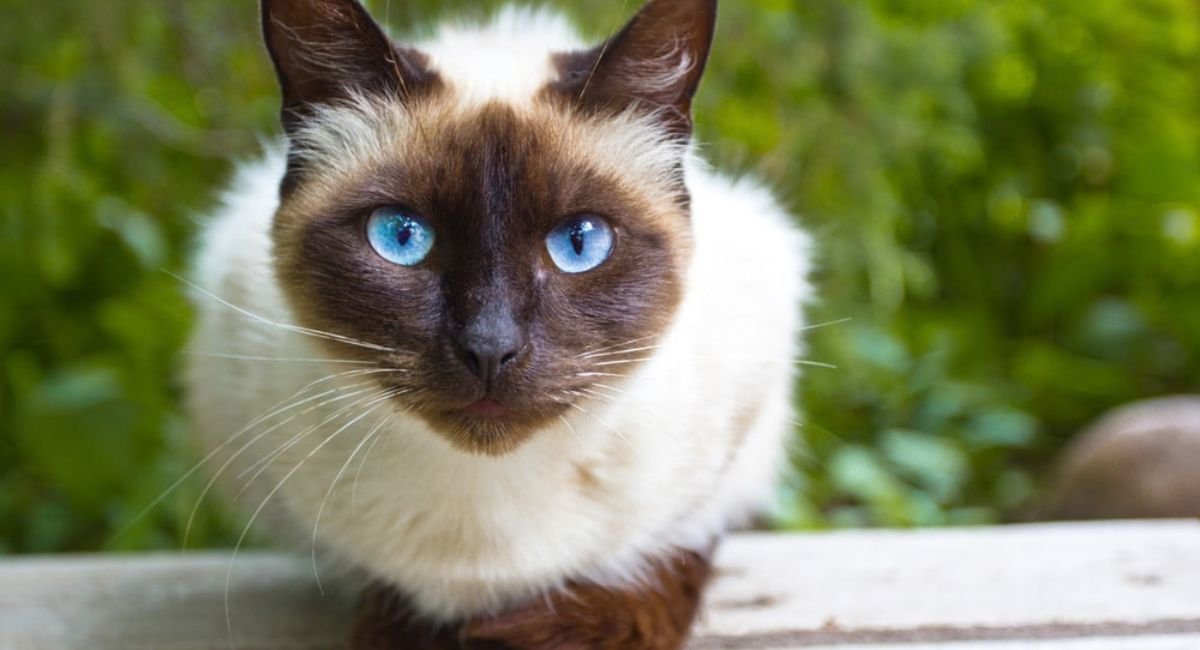
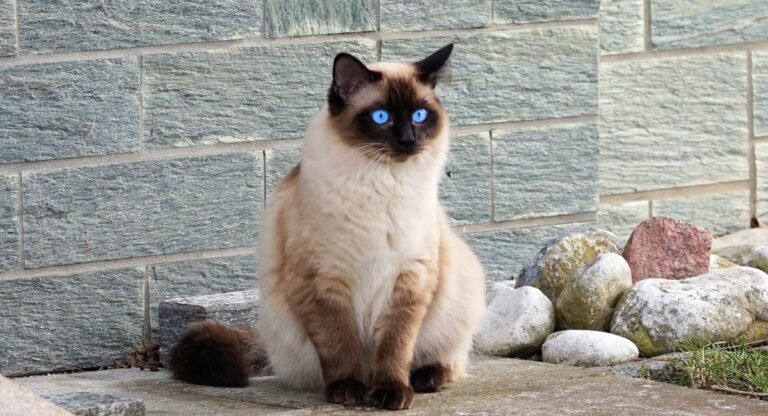
Seal is the classic Siamese color and the one most people picture. The points are a dark, rich brown against a cream or pale fawn body. In some lighting they look black, which leads people to mistake them for another color. Against the body, the contrast is the strongest of the four varieties.
Chocolate Point
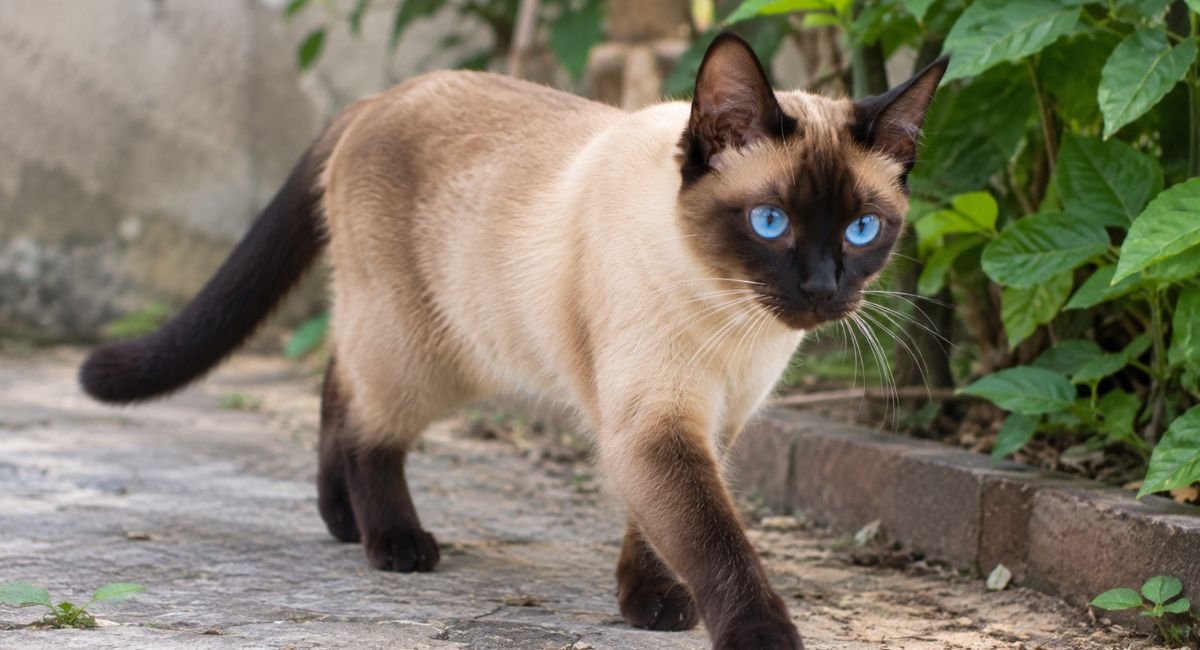
Chocolate points are noticeably warmer and lighter than seal. The body is typically a clean ivory with little shading, and the points look like milk chocolate. The nose leather and paw pads are a pinkish cinnamon rather than dark brown.
Blue Point
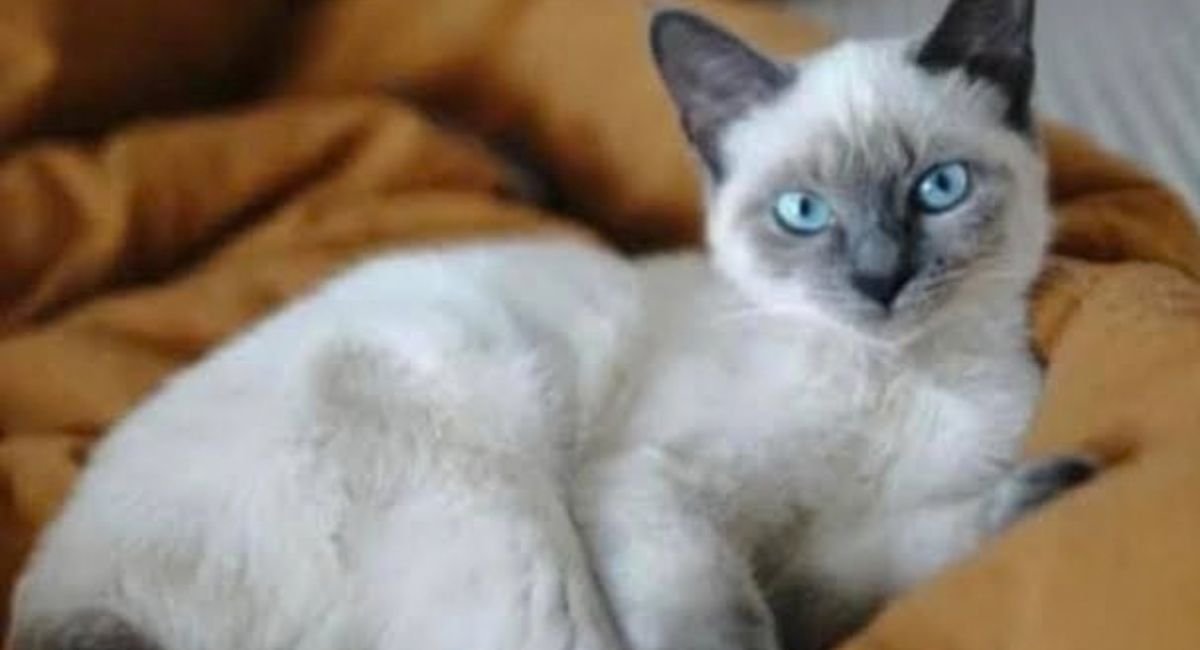
A blue point has gray points with a bluish tint, set against a cool, bluish-white body. The overall look is crisp and cold, and the difference in contrast is more subtle than in seal point. The body often carries a faint steel-blue shading with age.
Lilac Point
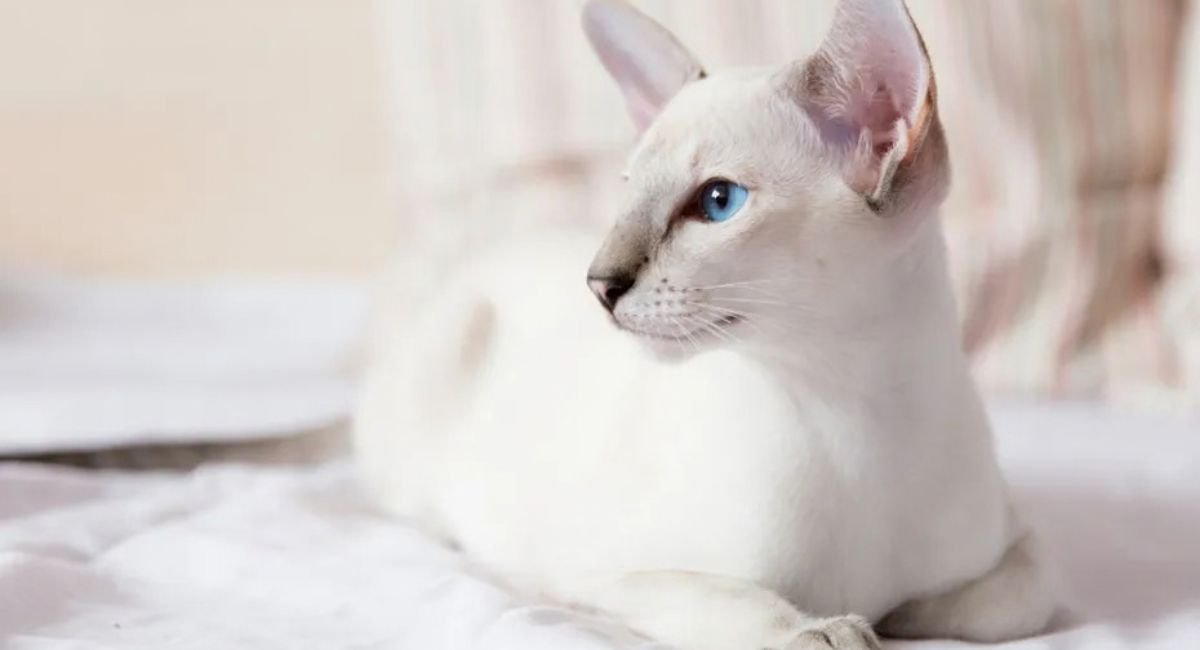
Lilac is the palest of the four. The points are a soft gray with a pinkish or lavender tone, and the body is nearly white. Because the contrast is so low, young lilac points are easy to mistake for white cats until their points develop. The pink-lavender nose and paw pads are the most reliable sign.
SECTION 3: Recognized Colors vs. Other Point Colors
CFA recognizes four Siamese point colors: seal, chocolate, blue, and lilac. These are the dilutions of two base colors, black (seal) and chocolate, explained in the next section. TICA’s Siamese standard is wider and also accepts red, cream, cinnamon, fawn, lynx (tabby), and tortie points.
Other point colors exist, and they sometimes appear in listings under the name “Siamese.” ICFA handles the extra colors like this:
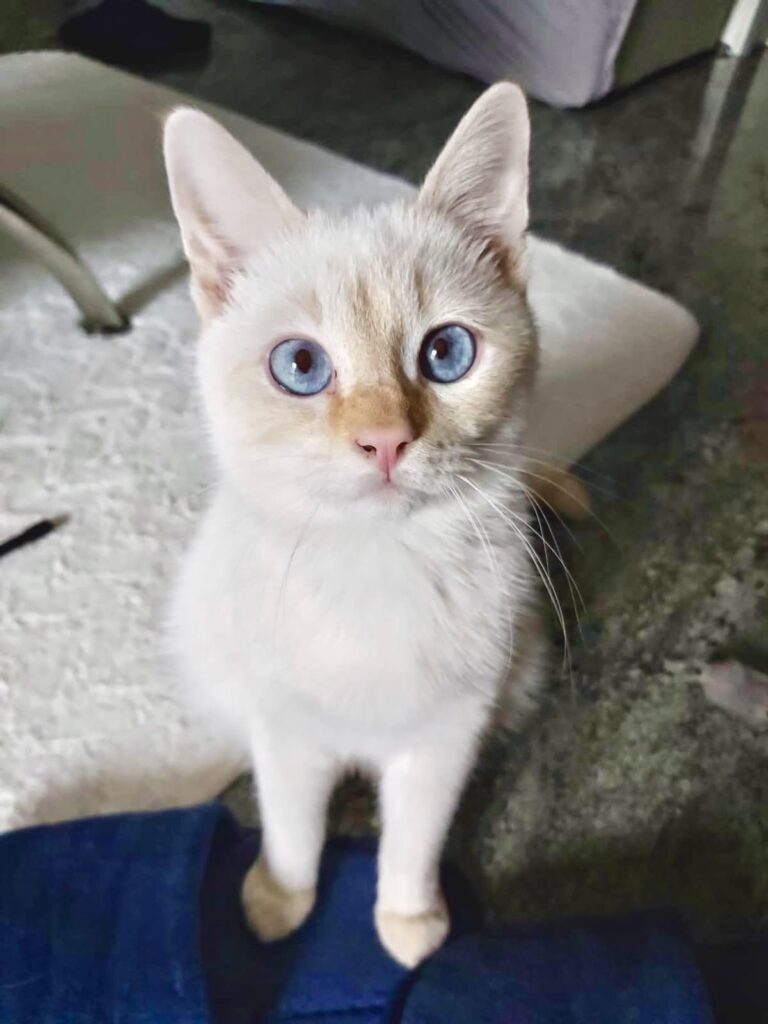
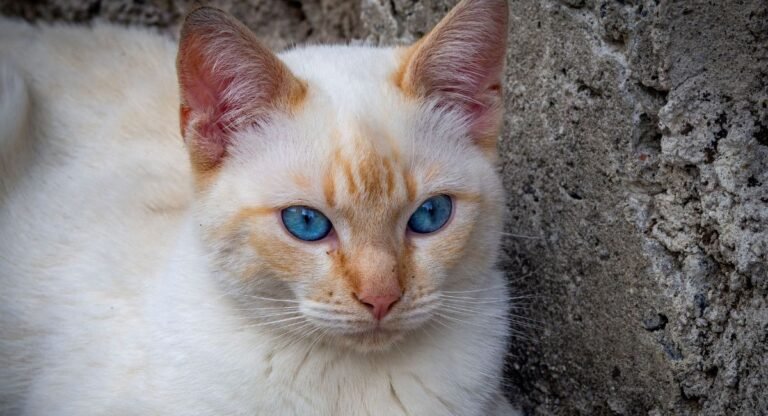
- Red (flame) point, cream point, tortie point, and lynx (tabby) point: registered as Colorpoint Shorthair in CFA, which was developed from Siamese crossed with other cats to bring in these colors. TICA does not use a separate breed for these; it includes the colors in Siamese.
- Longhaired versions: the Balinese carries the same four Siamese colors in a semi-long coat. In CFA, the other point colors in that coat type are called Javanese.
- Registry differences: some registries outside the US, such as the GCCF in the UK, group a wider range of point colors under the Siamese name. So a “red-point Siamese” may be correct in one registry and a different breed in another.
You may also see terms such as “ice point,” “apple-head,” or “traditional” in breeder ads. These are not official color varieties. “Ice point” is used informally for very pale blue or lilac cats. “Apple-head” and “traditional” describe the older, rounder head type, which CFA does not accept in the Siamese show standard. It should not be confused with color.
For readers who find “white Siamese cat” in search results, a true white Siamese does not exist as a recognized variety. Our guide to the white Siamese cat explains what people usually mean by the term.
SECTION 4: How Siamese Coat Color Works
Start with the simple version. Siamese cats carry a mutation that makes their pigment-producing enzyme work only in cooler temperatures. The cat’s core body is warm, so the fur there stays pale. The ears, nose, paws, and tail are cooler, so they produce more pigment and look darker. It is the same reason a shaved patch on a Siamese can grow back darker in cold weather.
The technical version has three layers:
- The pointed gene. The pointed pattern is caused by a mutation in the TYR gene, which codes for tyrosinase, an enzyme needed to make melanin. The Siamese variant (written cs) produces a heat-sensitive version of the enzyme. It is recessive, so a cat needs two copies to show the pattern. Research by Lyons and colleagues at UC Davis identified this mutation.
- The base color. The points themselves show either black-based pigment (seal) or chocolate-based pigment, determined by the B gene series.
- The dilution gene. A recessive dilution gene (d) softens pigment. It turns seal into blue and chocolate into lilac when a cat inherits two copies.
This is why two seal points with the right hidden genes can produce blue, chocolate, or lilac kittens. For a deeper look at how parents’ genotypes combine, see our article on Siamese cat genetics.
One limit is worth stating. Appearance alone cannot always tell you the genotype. A seal-point cat may carry hidden chocolate or dilute genes that only a pedigree review or a DNA test can reveal.
SECTION 5: How Kitten Color Develops
Siamese kittens are born pale, usually cream or white, because the womb is warm and uniform in temperature. Pointing shows up once the kitten is exposed to cooler air. The usual pattern is:
- First days to two weeks: nearly all white or cream, sometimes with faint shadows at the nose and ears
- Around one to three weeks: points begin to show on the ears, mask, and tail
- Several months: points deepen and spread to the legs and feet
- One to two years: color settles into its adult look, though the body can keep darkening over time
Kitten color can be hard to call early. Chocolate and lilac points in particular may look similar in the first weeks, and a blue point can look like a pale seal point. Paw pad and nose color often become more readable earlier than the fur. Our Siamese kitten guide covers month-by-month changes in more detail.
SECTION 6: Color, Personality, and Health
Does Color Affect Personality?
No reliable evidence links Siamese point color to temperament. The breed as a whole is known for being vocal, social, and attached to its people, but those traits vary by individual and by line. A seal point and a lilac point raised in the same household are more alike than two unrelated cats of the same color.
Health Considerations
Coat color is not a health problem on its own, but the gene behind the pointed pattern has some documented side effects, and the breed has certain predispositions.
Associated with the pointed gene:
- Visual pathway differences. Pointed cats can have an altered wiring pattern between the eyes and brain. This is linked to crossed eyes (strabismus) and sometimes involuntary eye movement (nystagmus). Responsible breeders have selected against it, but it still appears in some cats. It is typically not painful, though a vet can check any eye change.
Reported at higher rates in Siamese and related breeds:
- Dental disease, which is common in cats generally and worth watching in this breed
- Respiratory disease, including feline asthma
- Progressive retinal atrophy, an inherited eye disease affecting some lines
- Amyloidosis, a condition in which abnormal protein builds up in organs such as the liver
- Lymphoma, reported in younger Siamese in some veterinary literature
These are risks, not certainties, and many Siamese live long, healthy lives, often into their teens.
See a veterinarian promptly for: sudden vision changes, breathing difficulty or persistent coughing, weight loss, vomiting or diarrhea lasting more than a day or two, loss of appetite, yellowing of the gums or eyes, or any sudden behavior change. This article cannot diagnose a cat, and only a veterinarian can.
SECTION 7: Caring for a Pointed Coat
Siamese coats are short, fine, and low-maintenance, but color care has some specifics.
- Keep an eye on temperature. Cats kept in cooler rooms tend to develop darker body shading. Cats in warm environments often stay paler. This is normal and not a sign of illness.
- Limit prolonged sun exposure. Strong sun can warm and lighten the points over time in some cats and can irritate pale skin.
- Groom weekly. A rubber brush or soft grooming glove removes loose hair and helps the coat shine. Short coats rarely mat.
- Feed a complete and balanced diet. Choose a food labeled as meeting AAFCO nutritional standards for the cat’s life stage. No food changes a cat’s point color, and claims that specific ingredients will darken or lighten points are unsupported.
- Protect the teeth. Brush if the cat tolerates it, and schedule dental checks with a veterinarian.
- Provide social and mental stimulation. Siamese cats often do poorly when left alone for long stretches. Puzzle feeders, climbing space, and daily play help.
- Schedule routine veterinary care. Annual exams, vaccinations, parasite control, and dental checks apply to every cat regardless of color.
If points suddenly change shade, fur thins, or skin looks red, flaky, or irritated, a vet visit is more useful than a diet or grooming experiment.
SECTION 8: Siamese vs. Similar Pointed Cats
The pointed pattern is shared by several breeds, so color alone does not identify a Siamese. This table compares it with two commonly confused cats.
| Feature | Siamese | Colorpoint Shorthair | Ragdoll |
| Point colors | Seal, chocolate, blue, lilac | Red, cream, tortie, lynx and others | Seal, chocolate, blue, lilac (CFA); more colors in TICA |
| Appearance | Slender, long-limbed, wedge-shaped head | Same body type as Siamese | Heavy, broad, rounded build |
| Size | Medium | Medium | Large |
| Coat | Short, fine | Short, fine | Medium-long, plush |
| Temperament | Vocal and social | Similar to Siamese | Generally calm and relaxed |
| Recognition | CFA and TICA | Separate breed in CFA; shown as Siamese in TICA | CFA and TICA |
A cat with a Siamese face and body type but red or tabby points is usually a Colorpoint Shorthair. A cat with a heavy build, a longer coat, and white mittens is more likely a Ragdoll or Birman type.
SECTION 9: Adoption and Buying Considerations
Prices vary widely across the US depending on location, breeder, pedigree, age, and whether the cat is sold as a pet or breeding stock, so a single figure would be misleading. Ask any breeder for a written quote and what it includes.
Adoption. Siamese and Siamese-mix cats do turn up at shelters, and breed-specific rescues exist. Adult cats have the advantage of settled color, so you know what you are getting.
Choosing a breeder. Look for a breeder who:
- Registers cats with CFA or TICA and provides pedigree papers
- Shows you the kitten’s parents or at least provides their health records
- Discusses breed-relevant health screening and shares results
- Lets you ask questions about eye alignment, respiratory health, and the line’s history
- Does not release kittens before about 12 weeks, the age commonly recommended by cat registries and veterinarians
Red flags: claims that a kitten is a rare color in order to charge more, no pedigree or health records, unwillingness to let you see the cats, or pressure to pay quickly. Remember that color cannot be confirmed in very young kittens, so be skeptical of firm color claims at a few weeks old.
Ongoing costs include food, litter, preventive veterinary care, dental care, insurance if you choose it, and emergency savings.
SECTION 10: Frequently Asked Questions About the Siamese Cat Colors
How many Siamese cat colors are there?
CFA recognizes four Siamese point colors: seal, chocolate, blue, and lilac. TICA accepts more, including red, cream, cinnamon, fawn, lynx, and tortie points. In CFA, those extra colors are registered as Colorpoint Shorthair.
What is the rarest Siamese cat color?
Lilac point is generally the least common of the four, because it needs two copies of both the chocolate and dilution genes. Rarity does not mean better health or quality, and prices should not be based on color alone.
Why are Siamese kittens born white?
The womb is warm and even in temperature. The heat-sensitive enzyme behind Siamese coloring stays inactive there, so kittens are born pale. Points develop as the kitten is exposed to cooler air after birth.
Do Siamese cats change color as they age?
Yes. Points deepen during the first year or two, and the body color often darkens with age. Cool environments tend to speed the darkening of the body, and warm environments tend to slow it.
What color are Siamese cats’ eyes?
Siamese cats have blue eyes, usually a deep, vivid blue in a well-bred cat. This is part of the breed standard and goes with the pointed gene. A pointed cat with green or yellow eyes is not a purebred Siamese.
Is there such a thing as a white Siamese cat?
Not as a recognized variety. A very pale lilac or blue point can look nearly white, and a few cats sold as “white Siamese” are white cats of another breed or mix. The pointed pattern is always part of a true Siamese.
Can two seal point Siamese have blue or chocolate kittens?
Yes, if both parents carry the hidden recessive genes. Seal-point parents can carry chocolate and dilute genes without showing them. A DNA test or pedigree review can show which genes a cat carries.
Is Siamese coat color linked to health problems?
Color itself is not harmful, but the pointed gene is linked to eye wiring differences that can cause crossed eyes. Siamese cats also have breed-associated risks such as dental and respiratory disease. A veterinarian can assess any individual cat.
Conclusion
In CFA, Siamese cat colors come down to four recognized varieties: seal, chocolate, blue, and lilac. Each one pairs a pale body with matching darker points, and the nose and paw pads help confirm which color a cat is. Other point colors belong to related breeds or to different registries’ naming rules, so the label on a listing does not always mean what it seems to.
The pattern itself is explained by a heat-sensitive pigment enzyme. That is why kittens start out pale, why points deepen with age, and why climate can shift shading. Coat color does not predict personality, and its health relevance is limited to the visual pathway differences linked to the pointed gene. When choosing a cat, focus on pedigree, health records, and temperament rather than a rare-sounding color name.

MyPetCreature is a trusted digital resource dedicated to providing well-researched, human-centric insights into pet care, health, and behavior. Our team of passionate pet enthusiasts delivers reliable advice, comprehensive guides, and essential tips to help pet parents worldwide ensure the well-being and happiness of their companion animals.

3 Comments