Why Do Siamese Cats Meow So Much? 7 Reasons
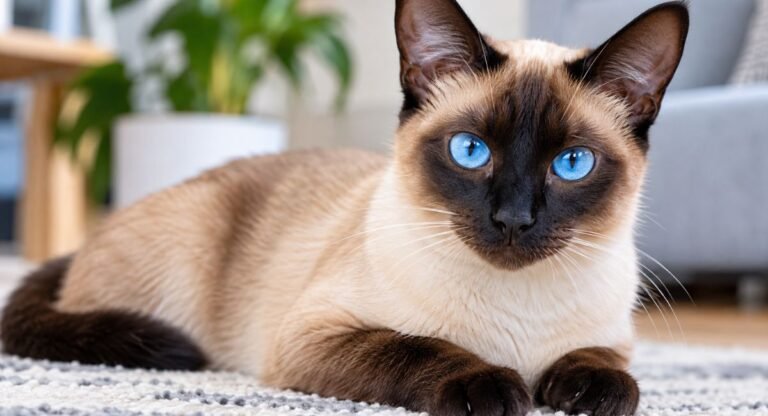
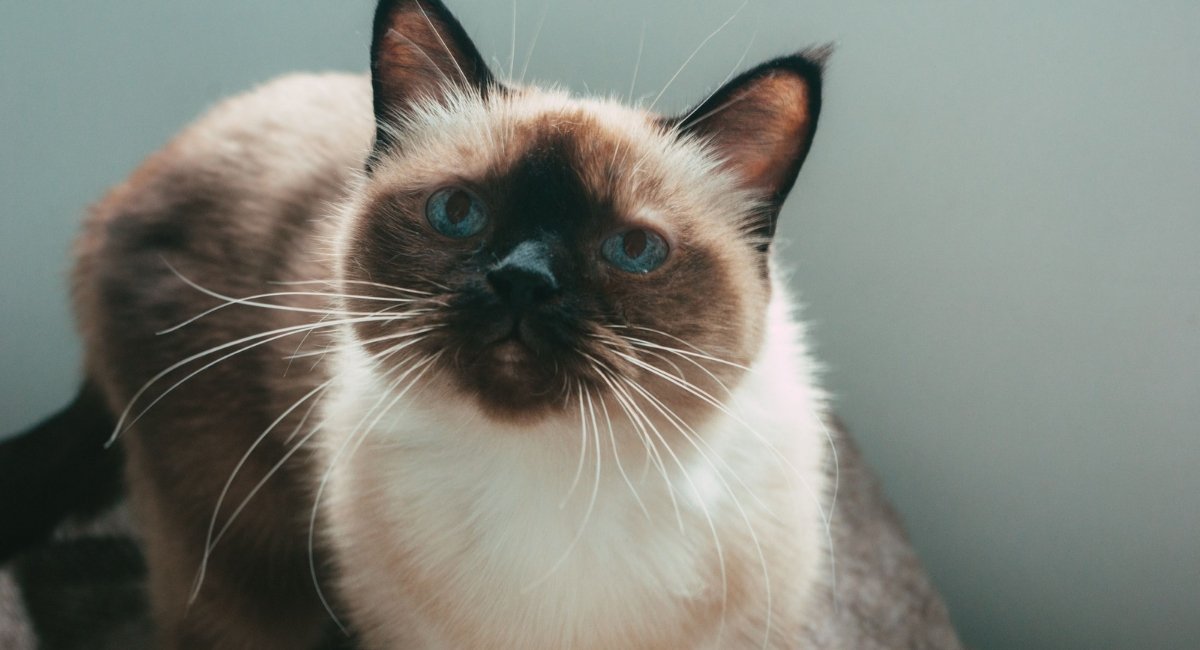
Siamese cats meow so much because they are one of the most vocal and social cat breeds in the world. They were bred for centuries as close companions, and they use their loud, distinctive voices to communicate with their people about everything—hunger, boredom, affection, and complaints. For a Siamese, meowing is simply how conversation works.
This guide breaks down the 7 most common reasons behind all that talking, explains how to tell normal chattiness from a cry for help, and shares practical ways to manage the noise without punishing your cat’s nature. You will also learn when sudden changes in vocalization mean it is time to call the vet.
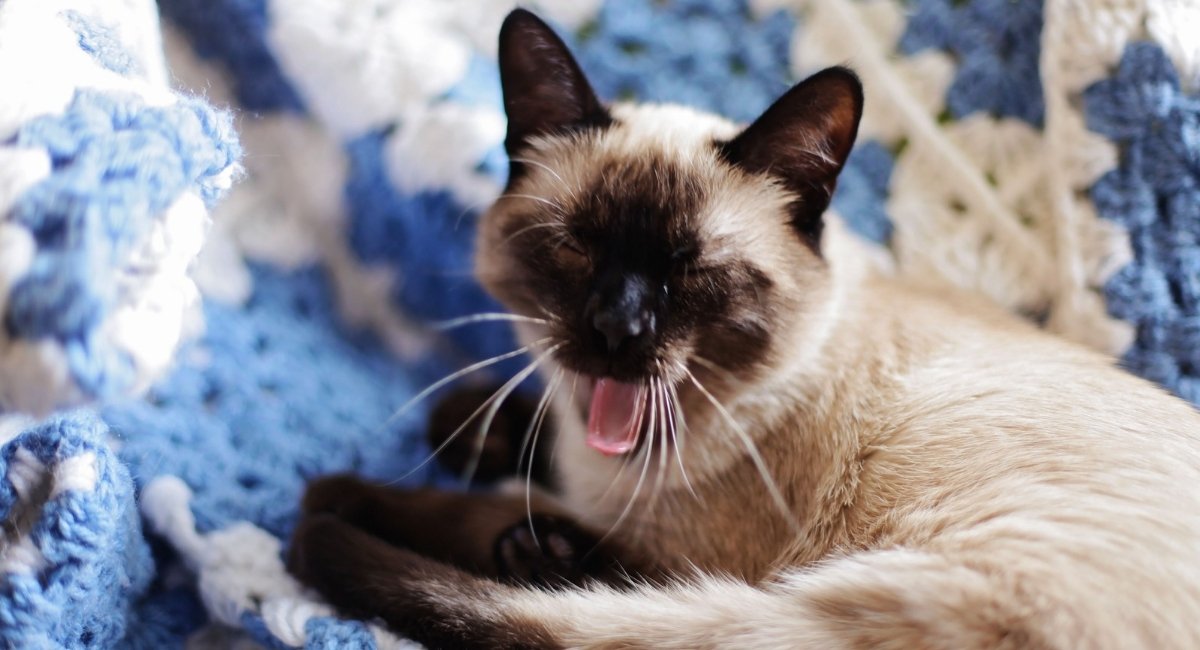
Table of Contents
- The Short Answer: Why Siamese Are So Talkative
- Breed Trait: The Siamese Was Built to Converse
- Reason 1: Hunger and Mealtime Demands
- Reason 2: Attention and Companionship
- Reason 3: Boredom and Understimulation
- Reason 4: Stress or Environmental Change
- Reason 5: Heat Cycles in Unspayed Cats
- Reason 6: Cognitive Decline in Senior Cats
- Reason 7: Pain or Illness — When to Call the Vet
- Frequently Asked Questions About Siamese Meowing
Why Siamese Are So Talkative
Siamese cats meow constantly because vocalization is hardwired into the breed. They are intensely social animals that form deep bonds with their owners, and they treat meowing as a two-way conversation. A Siamese will comment on your arrival home, protest an empty food bowl, demand playtime, and narrate its opinions throughout the day.
Their meow is also famously loud and raspy—often compared to a baby crying—which makes it impossible to ignore. This is not a behavior problem in most cases. It is simply what Siamese cats do, and owners who want a quiet cat are usually happier with a different breed.
Breed Trait: The Siamese Was Built to Converse
The Siamese is one of the oldest recognized cat breeds, originating in Thailand, where it lived closely with people for centuries. Cats that communicated effectively with humans were valued and kept close, which likely reinforced vocal behavior over generations. The result is a breed that genuinely seems to enjoy the back-and-forth of “talking.”
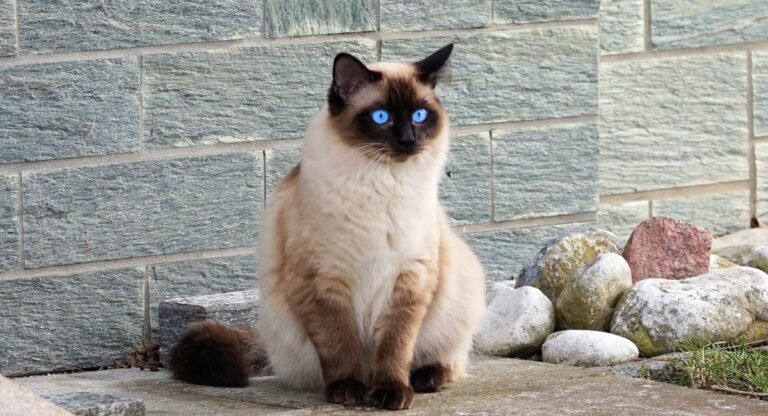
Related breeds share the trait. Oriental shorthairs, Balinese, and Tonkinese are all known talkers, which makes sense given their shared ancestry. If you love the Siamese look but want slightly less volume, it is worth knowing the whole family tree is chatty. Our guide to every Siamese color covers the breed’s varieties, all equally vocal.
Individual personality still matters. Some Siamese are moderate conversationalists, while others never stop. Kittens are often the loudest and most settle slightly—with age. But no Siamese will ever be a silent breed.
Reason 1: Hunger and Mealtime Demands
The most common reason for meowing is also the simplest: your cat is hungry or thinks it should be fed right now. Siamese cats learn feeding schedules with remarkable precision and will begin their campaign up to an hour before mealtime. The meows escalate from polite reminders to full-throated demands.
The tricky part is that Siamese cats are smart enough to train their owners. If meowing has ever produced an early meal or an extra treat, the behavior gets reinforced fast. Vets generally recommend sticking to a consistent feeding schedule and not rewarding pre-meal yelling with food, however convincing the performance.
Watch for genuine hunger signals too. A cat that suddenly begs more than usual, eats ravenously, or loses weight despite eating well should see a vet. In middle-aged and senior Siamese, increased appetite paired with weight loss can indicate hyperthyroidism, a condition the breed can be prone to.
Reason 2: Attention and Companionship
Siamese cats do not just like company—they need it. This breed forms intense attachments and genuinely dislikes being alone. Much of the meowing owners hear is simply the cat checking in: where are you, what are you doing, and why are you not paying attention to me?
A Siamese left alone for long workdays will often greet its owner with an extended monologue at the door. This is the breed’s way of downloading the day’s events. Responding with calm attention, even just talking back for a minute, satisfies the social need behind the noise.
If your lifestyle keeps you away from home for long hours, consider whether a Siamese is the right fit or whether a feline companion would help. Two Siamese cats will happily talk to each other instead of yelling at an empty house. Boredom-driven vocalization drops dramatically when the cat has company.
Reason 3: Boredom and Understimulation
A bored Siamese is a loud Siamese. These are intelligent, active cats that need mental stimulation the way a border collie needs a job. Without enough play and enrichment, that mental energy converts directly into vocal complaints, often aimed at you from across the room.
The fix is structured play. Two focused play sessions of 10 to 15 minutes daily — morning and evening — work better than scattered attention. Wand toys that mimic prey, puzzle feeders that make meals a challenge, and rotating toy selections keep the clever Siamese brain engaged.
Environmental enrichment helps between sessions. A tall cat tree near a window, bird feeders visible from favorite perches, and cardboard boxes in rotation all give a Siamese things to investigate. A stimulated Siamese still talks, but it talks about interesting things instead of complaining.
Reason 4: Stress or Environmental Change
Siamese cats are creatures of habit, and changes to their world often come out as extra meowing. Moving house, new furniture, houseguests, a new pet, or even a changed work schedule can unsettle a sensitive Siamese. The vocalization is anxiety made audible.
During transitions, keep one room set up exactly as before, with familiar bedding, food, and litter in familiar spots. Feline pheromone diffusers can take the edge off for some cats. Most Siamese adjust within one to two weeks if their core routine—feeding times, play, and your presence—stays consistent.
Watch for stress signals beyond meowing: hiding, appetite changes, over-grooming, or litter box avoidance. If vocalization spikes suddenly with no obvious trigger or is paired with these signs, a vet visit rules out medical causes before you assume it is purely emotional.
Reason 5: Heat Cycles in Unspayed Cats
An unspayed female Siamese in heat will yowl—loudly, persistently, and at all hours. This is not ordinary meowing. Heat vocalization is a deep, urgent calling meant to attract males, and it can continue for days at a time, several times a year.
Males respond to females in heat in the neighborhood with their own restless calling and attempts to escape. The only reliable solution is spaying or neutering, which also eliminates the health risks of repeated heat cycles, including mammary tumors and pyometra.
Vets generally recommend spaying before the first heat for the greatest health benefit, typically around five to six months of age. If your Siamese is already vocalizing through heat cycles, talk to your vet about timing the surgery between cycles.
Reason 6: Cognitive Decline in Senior Cats
Senior Siamese cats, typically over 12 years old, sometimes develop feline cognitive dysfunction—the cat equivalent of dementia. One of the hallmark signs is increased vocalization, especially at night. The cat may wander, cry out, and seem disoriented or unable to settle.
Nighttime crying in an older cat that was previously quieter deserves attention, not scolding. Keep a nightlight on, maintain a predictable evening routine, and make sure food, water, and litter are easy to find. Your vet can assess whether cognitive support diets, supplements, or medications might help.
It is worth ruling out medical causes first, since hyperthyroidism, high blood pressure, and pain can all cause similar nighttime restlessness in seniors. A senior wellness exam with bloodwork is the right starting point for any older Siamese whose vocal habits have changed.
Reason 7: Pain or Illness — When to Call the Vet
Most Siamese meowing is normal breed behavior, but a sudden change in vocalization patterns can signal pain or illness. A normally chatty cat that goes silent, or a quieter cat that suddenly cries out, deserves a closer look. Vocalizing when touched, when using the litter box, or while moving can indicate pain.
The table below helps distinguish everyday Siamese commentary from sounds that warrant concern.
| What You Hear | Likely Meaning | What to Do |
|---|---|---|
| Short chirps and trills while following you | Social chatter, contentment | Enjoy it—this is normal. Siamese talk |
| Loud, insistent meows near the kitchen | Hunger or food demands | Check the schedule; do not reward early begging. |
| Long yowls at night, pacing | Boredom, or cognitive issues in seniors | More daytime play; vet check for older cats |
| Deep persistent calling for days | Heat cycle (unspayed female) | Discuss spaying with your vet. |
| Sudden crying when touched or moving | Possible pain | Vet visit promptly |
| New excessive vocalization with appetite/weight changes | Possible thyroid or other illness | Vet visit with bloodwork |
Trust your instincts. You know your cat’s normal soundtrack better than anyone. When the music changes, it is worth finding out why—and your vet would much rather see a healthy loud cat than miss something treatable.
Frequently Asked Questions About Siamese Meowing
Do Siamese cats ever stop meowing so much?
Not really—vocalization is a core breed trait, not a phase. Kittens are often the loudest and may settle slightly with age, but a Siamese will always be more talkative than the average cat. Owners who embrace the conversation enjoy the breed most.
Why does my Siamese meow at night?
Nighttime meowing usually means boredom, a learned habit of getting attention, or—in senior cats—cognitive decline. Increase daytime play, keep evenings calm and predictable, and avoid rewarding 3 a.m. concerts with attention or food. If an older cat suddenly starts night-crying, see your vet.
Is it bad to ignore my Siamese cat’s meowing?
Ignoring attention-seeking meows is actually the recommended approach for demand vocalization, as long as basic needs are met. But never ignore a sudden change in vocal patterns, crying that sounds like pain, or meowing paired with appetite, weight, or behavior changes — those need a vet check.
Do male or female Siamese meow more?
There is no consistent difference between neutered males and spayed females. Unspayed females in heat are dramatically louder than anyone, which is one more reason vets recommend spaying. Among altered cats, personality matters far more than sex.
Can you train a Siamese to be quieter?
You cannot train the breed trait out, but you can reduce demand meowing. Reward quiet behavior with attention and treats, never reward yelling with food or fuss, and meet the cat’s needs for play and companionship proactively. A tired, content Siamese is a quieter Siamese.
Why does my Siamese follow me around meowing?
Following and narrating is classic Siamese companionship behavior. Your cat is treating you as its social partner and keeping up a running commentary. It is a sign of a strong bond, even when it happens outside the bathroom door for the tenth time.
Conclusion
Siamese cats meow so much because they are wired for conversation. Hunger, attention, boredom, stress, heat, aging, and occasionally illness all turn up the volume, but the baseline chattiness is simply the breed being itself.
Meet their needs with consistent routines, daily play, and plenty of companionship, and learn to read the difference between happy chatter and a call for help. For more on living with this remarkable breed, see our white Siamese breed guide and blue-eyed Siamese guide. A Siamese does not just share your home — it shares its opinions, loudly and with love.

MyPetCreature is a trusted digital resource dedicated to providing well-researched, human-centric insights into pet care, health, and behavior. Our team of passionate pet enthusiasts delivers reliable advice, comprehensive guides, and essential tips to help pet parents worldwide ensure the well-being and happiness of their companion animals.