Can Cats with Sensitive Stomachs Eat Tuna? Vet Facts
Can cats with sensitive stomachs eat tuna? Sometimes, but only as a tiny, plain taste and only when your cat has handled fish before without trouble. Fish sits near the top of the list of foods that can upset a cat’s gut, so tuna makes a poor first choice for a cat that already vomits, has loose stools, or skips meals after new food. A small taste can still work for some cats, yet a sensitive stomach needs a slower, more careful test than a healthy stomach does.
A sensitive stomach does not mean one single disease. It means your cat’s gut reacts more strongly than most cats’ guts to changes in food, rich ingredients, or new proteins. Some cats feel sick for a few hours. Others develop vomiting, diarrhea, gas, or itchy skin that lasts for days. If your cat has a known fish allergy, a long-term gut condition, kidney disease, or pancreatitis, skip tuna and ask your veterinarian about a safer protein instead. For general tuna limits for healthy cats, read the tuna pillar: can cats have tuna.
Table of Contents
- Can Cats with Sensitive Stomachs Eat Tuna? The Short Answer
- Why Tuna Can Upset a Sensitive Stomach
- Fish Allergy vs Food Sensitivity: What Is the Difference?
- Signs of a Sensitive Stomach After Tuna
- Can Cats with Sensitive Stomachs Eat Tuna Safely? A First-Taste Protocol
- Which Tuna Is Least Likely to Cause Trouble?
- Safer Proteins for a Sensitive Gut
- Protein Choices at a Glance
- What to Feed Instead of Tuna Every Day
- When to Skip Tuna and Call the Vet
- Frequently Asked Questions
- Conclusion
Can Cats with Sensitive Stomachs Eat Tuna? The Short Answer
Can cats with sensitive stomachs eat tuna in small amounts? Yes, some can, but many should not, and no sensitive cat should eat tuna as a regular meal. The safest answer depends on your cat’s history. If fish has caused vomiting or loose stools before, treat tuna as a food to avoid. If your cat has never tried fish, treat tuna as a new food that needs a careful test, not as a treat you can offer freely.
Plain tuna in water, with no added salt, gives your cat the best chance of a calm reaction. Keep the portion tiny, about half a teaspoon for a first taste, and serve it on its own, with no other new food on the same day. That rule matters, because it lets you trace any reaction back to tuna. If your cat stays well for 24 to 48 hours, you have useful information. If your cat feels sick, you also have a clear answer, and you can stop there.
Why Tuna Can Upset a Sensitive Stomach
Tuna packs a lot of flavor and protein into a small serving, and that strength can work against a sensitive gut. Fish protein ranks among the foods that most often trigger reactions in cats, so a cat with a touchy stomach faces a higher risk from tuna than from a plain poultry meal. The gut must break down a rich, strong protein, and any weakness in digestion shows up fast as nausea, gas, or loose stools.
Salt adds a second problem. Many cans of tuna for people contain added salt, and brine adds even more. Salt draws water into the gut and can worsen diarrhea. Tuna in oil adds fat that can slow digestion and trigger vomiting in cats with fat-sensitive stomachs. Tuna also lacks the balance of nutrients that cat food provides, and it can add mercury over time. The Cornell Feline Health Center guide to feeding your cat explains why complete and balanced cat food should form the base of a cat’s diet: Cornell Feline Health Center guide to feeding your cat.
Fish Allergy vs Food Sensitivity: What Is the Difference?
Owners often use the words allergy and sensitivity as if they mean the same thing, but they describe different reactions. A food allergy involves the immune system. The body treats a protein in fish as a threat and mounts an immune response. A food sensitivity, also called a food intolerance, involves digestion, not the immune system. The gut struggles to break down or absorb a food, so the cat feels sick without an immune attack.
Allergy signs often show up on the skin as well as in the gut. A cat with a fish allergy may scratch its head and neck, develop small skin sores, lose hair from over-grooming, or show red, itchy ears. Cornell notes that about 10 to 15 percent of cats with a food allergy also show vomiting or diarrhea. Sensitivity signs stay mostly in the gut: vomiting, loose stools, gas, or a cat that eats less after a meal.
Skin itching points more toward allergy, while gut-only signs point more toward sensitivity. Remove fish for an allergy; a sensitivity may allow a tiny amount after a careful test. Only a veterinarian can confirm an allergy, often with an elimination diet that uses a novel protein for eight to 10 weeks.
Signs of a Sensitive Stomach After Tuna
Watch your cat closely for 24 to 48 hours after any tuna, even a tiny taste. Most reactions start within a few hours, but some take a full day to show. Vomiting tops the list, and it can range from one small episode to repeated vomiting. Loose stools or diarrhea come next, often with more frequent trips to the litter box. Gas, stomach gurgling, and a tense belly can also signal trouble, even when your cat does not vomit.
Behavior gives you early clues. A cat with a sore stomach may hide, eat less at the next meal, lick its lips, drool, or sit hunched with its belly tucked in. Itchy skin or red patches point toward an allergy-type reaction. Call your veterinarian at once if your cat vomits repeatedly, passes bloody or black stools, refuses food and water for more than a day, grows very lethargic, or shows face swelling, hives, or trouble breathing.
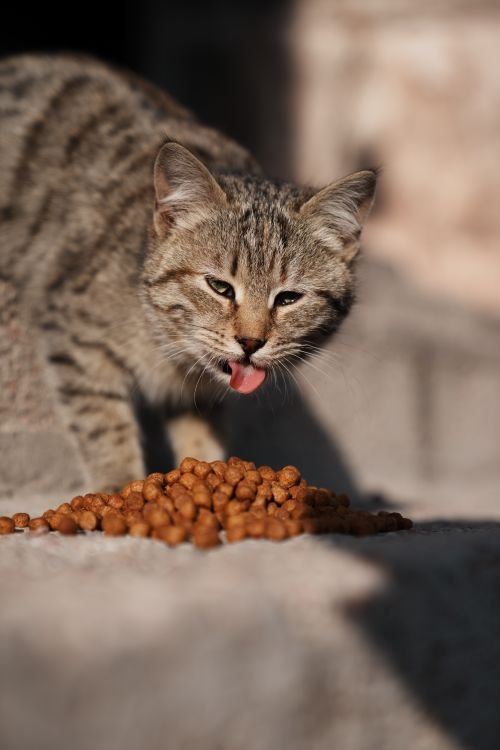
Can Cats with Sensitive Stomachs Eat Tuna Safely? A First-Taste Protocol
Can cats with sensitive stomachs eat tuna safely? Only with a slow test, and only if your vet has not ruled fish out. Never test tuna when your cat already feels sick, starts a new food, or takes a new medicine.
- Pick plain tuna in water, with no added salt. Drain it well and flake a tiny amount, about half a teaspoon.
- Serve it on its own, at a normal meal time, with fresh water nearby. Add no other new food that day.
- Watch for vomiting, loose stools, gas, itching, or a skipped next meal over the next 24 to 48 hours.
- If your cat stays well, wait at least a week before a second tiny taste. Do not move to a full tablespoon at once.
- If any sign appears, stop tuna, return to the usual food, and tell your vet what happened and how much your cat ate.
Which Tuna Is Least Likely to Cause Trouble?
Can cats with sensitive stomachs eat tuna in any form? Only plain canned tuna in water, with no added salt, causes the fewest problems. Drain the liquid, check the label for salt, onion, garlic, and flavorings, and serve only a tiny flaked portion. Plain cooked fresh tuna, cooled and boneless, also works as a rare taste. Skip tuna in oil, tuna in brine, tuna salad, and any seasoned or flavored tuna. Raw tuna carries bacteria and can destroy thiamine, a B vitamin cats need, so never serve it raw.
Safer Proteins for a Sensitive Gut
Plain cooked chicken tops the list for most sensitive cats, because it digests easily and rarely triggers a reaction. Cook it without skin, bones, salt, or seasoning, then shred a small amount into the usual food. Plain cooked turkey works in a similar way and suits cats that need a change from chicken. Keep portions small at first, and change only one thing at a time.
Novel proteins help cats that react to common proteins. Rabbit, duck, and venison count as novel for many cats. A sensitive-stomach cat food that uses one of these proteins, with a short ingredient list, can calm a gut that reacts to fish, beef, or dairy. Ask your vet before you start a novel-protein diet, and give it time to work. A food trial needs weeks, not days, to show a clear result.
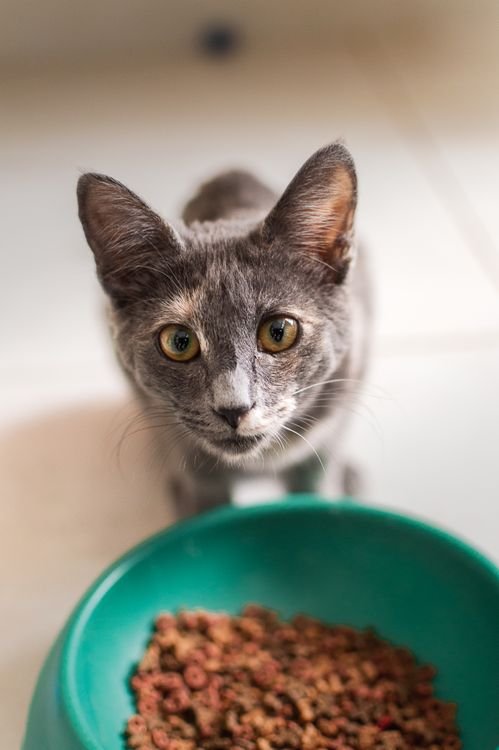
Protein Choices at a Glance
| Protein | Suitability for a sensitive stomach | How to serve it |
|---|---|---|
| Plain cooked chicken | Often a good first choice | Cooked plain, no skin, bones, or seasoning |
| Plain cooked turkey | Often a good first choice | Cooked plain, shredded into usual food |
| Novel proteins: rabbit, duck, venison | Good when common proteins cause trouble | Use in a vet-guided food trial |
| Sensitive-stomach cat food | Good for daily feeding | Choose a complete, balanced formula |
| Plain tuna in water, no added salt | Use only as a rare tiny taste | Half a teaspoon, drained, after a careful test |
| Tuna in oil or seasoned tuna | Avoid | Extra fat, salt, or unsafe ingredients |
| Raw fish | Avoid | Bacteria and thiamine risk |
What to Feed Instead of Tuna Every Day
Feed a complete and balanced cat food made for sensitive stomachs as the daily base, then add small amounts of plain cooked chicken or turkey when your vet agrees. Keep meals at the same times each day, change foods slowly over a week, and keep fresh water nearby. A steady routine often calms a sensitive gut.
When to Skip Tuna and Call the Vet
Can cats with sensitive stomachs eat tuna when they have kidney disease? No. Skip tuna if your cat has a known fish allergy, chronic vomiting or diarrhea, pancreatitis, or kidney disease. Cats with kidney disease face extra risks from tuna, because it adds phosphorus and mercury that weak kidneys handle poorly; read can cats with kidney disease eat tuna for those rules. Call the vet if signs last more than a day, return after every fish meal, or come with weight loss, blood in stools, or refusal to eat.
Frequently Asked Questions
Can cats with sensitive stomachs eat tuna at all?
Some can handle a tiny taste of plain tuna in water. Test half a teaspoon once, watch for 24 to 48 hours, and stop if vomiting or loose stools appear.
How much tuna can a sensitive cat eat?
Start with about half a teaspoon, no more than once a week, and only if the first test caused no signs. Tuna should stay a rare extra, never a meal or a treat.
Is tuna in oil safe for sensitive cats?
No. Oil adds fat that can slow digestion and trigger vomiting, while brine adds salt that can worsen diarrhea. Choose plain tuna in water, with no added salt, for any test.
Can tuna cause a food allergy in cats?
Yes. Fish ranks among the common food allergens in cats. Allergy signs often include itching, head and neck scratching, skin sores, and sometimes vomiting or diarrhea. Ask a vet to confirm it.
What should a sensitive cat eat instead of tuna?
A complete and balanced sensitive-stomach cat food usually works best, often with plain cooked chicken or turkey. Novel proteins such as rabbit or duck can help when common proteins cause trouble.
When should I call the vet after tuna?
Call the vet if vomiting or diarrhea lasts more than a day, stools contain blood, your cat refuses food, or swelling, hives, or trouble breathing appear. Those signs need prompt care.
Conclusion
Can cats with sensitive stomachs eat tuna? A few can enjoy a tiny, plain taste, but most sensitive cats do better without it. Choose plain cooked chicken, turkey, or a sensitive-stomach food instead, test any new protein slowly, and let your vet guide food trials.
General information only — not veterinary advice

MyPetsCreature is a trusted digital resource dedicated to providing well-researched, human-centric insights into pet care, health, and behavior. Our team of passionate pet enthusiasts delivers reliable advice, comprehensive guides, and essential tips to help pet parents worldwide ensure the well-being and happiness of their companion animals.