
Dog Vomiting vs Regurgitation: How to Tell Them Apart
Dog vomiting vs regurgitation can look alike, but they start in different places and point to different problems. Knowing which one you saw helps you give your vet a clear picture.
Vomiting is active. The belly heaves, the dog retches, and partly digested food or fluid comes up from the stomach. Regurgitation is passive. Food or fluid slides back up from the esophagus, often with little warning and little effort, and it usually looks much like it did when the dog swallowed it.
This article gives general information only and is not veterinary advice. For repeated episodes, blood, pain, or other worrying signs, contact a licensed veterinarian in the United States right away.
Table of Contents
- Dog Vomiting vs Regurgitation: The Quick Comparison
- What Vomiting Looks Like and Why It Happens
- What Regurgitation Looks Like and Why It Happens
- What to Do Right After an Episode
- Red Flags: Call Your Vet Right Away
- Dog Vomiting vs Regurgitation: How Your Vet Tells Them Apart
- Watch: Vomiting vs Regurgitation in Pets
- First Steps Checklist
- Frequently Asked Questions
The table below sums up the main contrasts before the sections that follow.
| Clue | Vomiting | Regurgitation |
|---|---|---|
| Effort | Active heaving and retching | Passive, little or no effort |
| Timing | Can happen hours after eating | Often minutes after eating or drinking |
| What comes up | Partly digested food, bile, or fluid | Undigested food or water, often in a tube shape |
| Warning signs | Nausea, drooling, lip licking, restlessness | Often none, or a quiet cough or gag |
Dog Vomiting vs Regurgitation: The Quick Comparison
For dog vomiting vs regurgitation, three clues help most of the time: timing, effort, and what comes up. Vomiting often comes with nausea first. The dog may drool, lick its lips, pace, or look restless, then retch and heave before anything comes up.
Regurgitation often happens soon after eating or drinking, with no retching at all. The dog may lower its head, and food or water simply comes back out. These clues are a starting point, not a diagnosis. Some dogs blur the lines, and some causes, such as eating too fast, can look like either one. What matters is writing down what you saw and telling your vet.
What Vomiting Looks Like and Why It Happens
Vomiting starts in the stomach and gut. The brain triggers nausea, the belly muscles contract, and stomach contents come up with force. The material is often partly digested, mixed with yellow or green bile, or foamy.
A dog may vomit once after eating something odd and then act fine, or it may vomit again and again, which is a different story. Common causes include eating too fast, a sudden food change, table scraps, garbage, a foreign object, infections, parasites, pancreatitis, kidney or liver problems, and toxins.
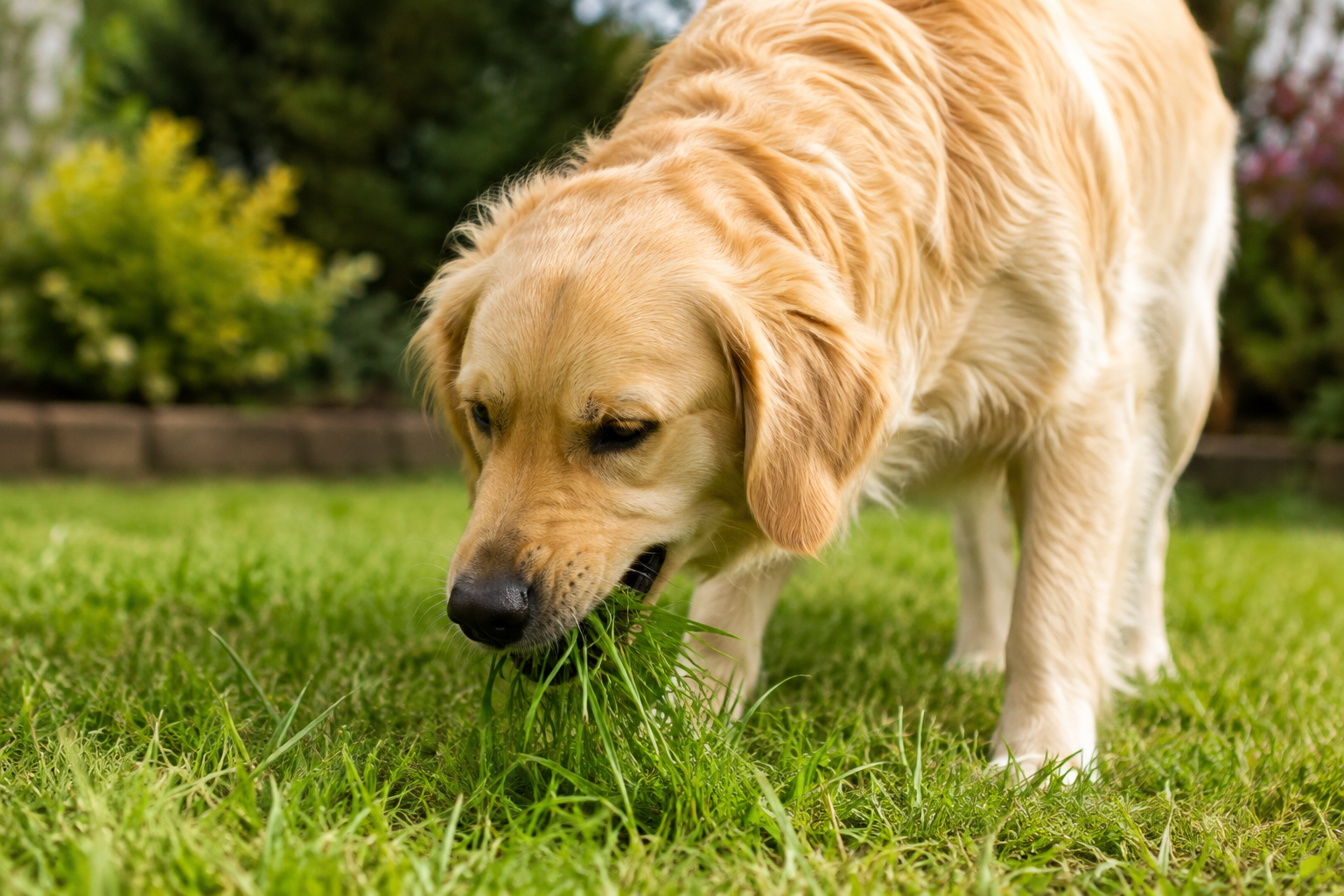
Dogs that eat grass and then vomit are a familiar case: grass alone does not prove sickness, and many dogs graze without any trouble. For more on that habit, see Eating Grass and Vomiting in Dogs. More dog guides are in the Dog category.
What Regurgitation Looks Like and Why It Happens
Regurgitation starts in the esophagus, the tube between the mouth and the stomach. Food or water never fully reaches the stomach, or it comes back up before digestion starts. That is why it often looks undigested and may hold the shape of the tube it came through.
The dog may not seem sick at all before or after, and it may even try to eat the material again. Common causes include eating or drinking too fast, a swallowing problem, an inflamed or narrowed esophagus, and megaesophagus, a condition where the esophagus does not move food down well. Puppies with megaesophagus often regurgitate soon after meals and may struggle to gain weight.
Because food can go down the wrong way, regurgitation also carries a risk of aspiration pneumonia, a lung infection from inhaled material. A cough after meals, noisy breathing, or a fever after regurgitation needs a vet visit, not a wait-and-see approach.
What to Do Right After an Episode

For dog vomiting vs regurgitation, stay calm and watch your dog for a few minutes. Note the time, what the dog ate last, how much came up, and what it looked like. A quick phone photo can help your vet more than a long description, though it is fine to skip that if it stresses the dog.
If the dog seems bright, drinks a little water, and settles, a short pause from food is often enough. Offer small sips of water, then a small bland meal later if the vet’s usual advice for your dog allows it. Skip rich treats, bones, and table scraps for the rest of the day.
If the dog keeps bringing things up, refuses water, seems weak, or shows any red-flag sign below, call your vet or an emergency clinic instead of trying home care.
Red Flags: Call Your Vet Right Away
- Blood in vomit or regurgitated material, or material that looks like coffee grounds
- Repeated vomiting or regurgitation over several hours, or more than a couple of episodes in a day
- A swollen or hard belly, retching with nothing coming up, drooling, or pacing
- Signs of pain, weakness, collapse, or trouble breathing
- Known or suspected eating of a toxin, a foreign object, or a medication
- Diarrhea, fever, or no drinking alongside the episodes
- A puppy, a senior dog, or a dog with a known illness that vomits or regurgitates at all
Retching with nothing coming up is an emergency in large, deep-chested dogs, since it can be a sign of bloat. Do not wait it out. Get to a vet clinic at once.
Dog Vomiting vs Regurgitation: How Your Vet Tells Them Apart
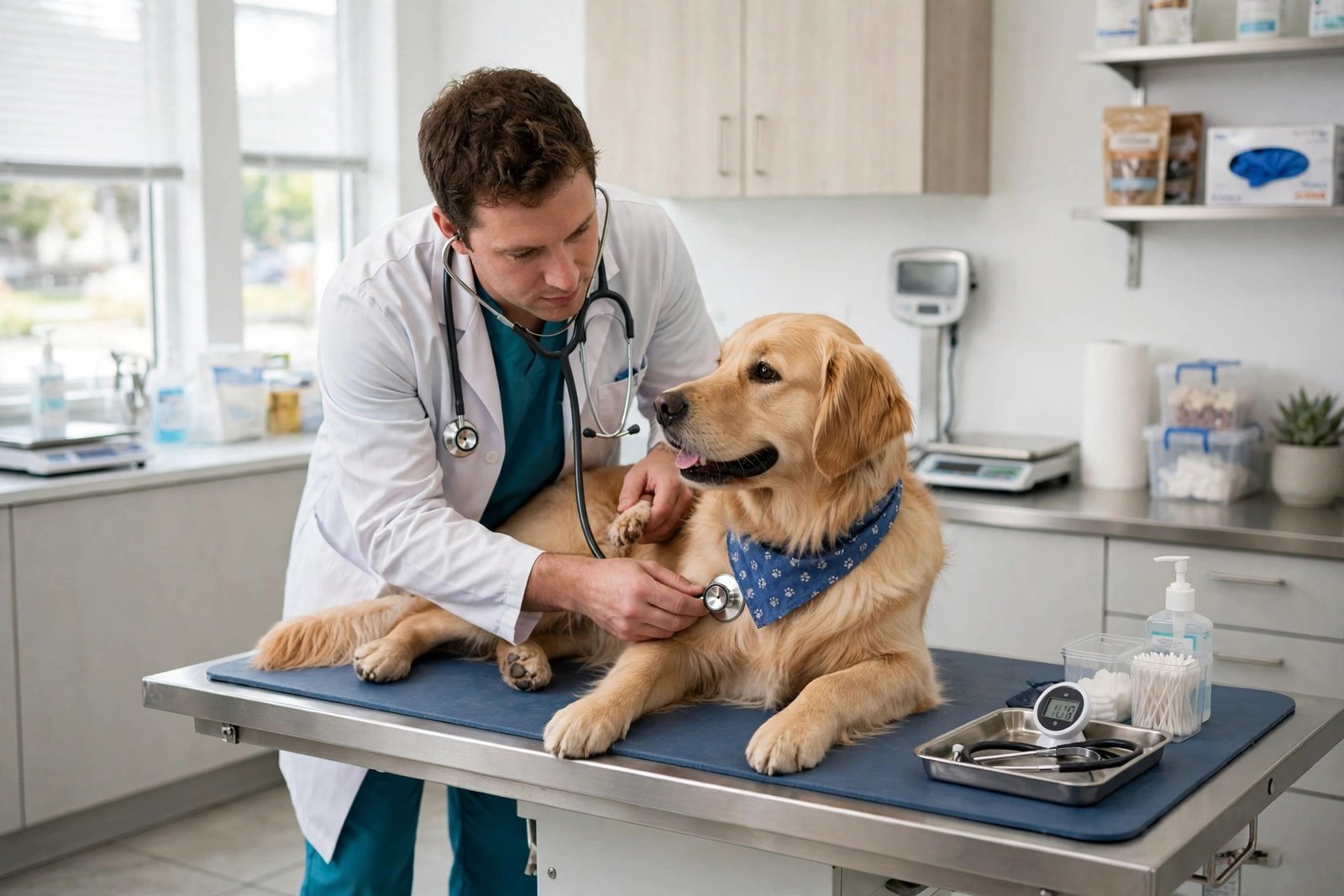
For dog vomiting vs regurgitation, your vet will ask when it happens, how often, what it looks like, and whether the dog seems nauseous first. That history matters more than most owners expect, so the notes you took at home help a lot.
The vet may also run blood tests, take X-rays, or use a scope to look at the esophagus and stomach if the problem keeps coming back. For vomiting, treatment depends on the cause: a bland diet and fluids for a mild stomach upset, or specific treatment for infection, blockage, or organ disease.
For regurgitation, the vet looks for the esophagus problem behind it, and feeding changes often matter: smaller meals, food from a raised bowl or a special chair for megaesophagus, and keeping the dog upright for a while after eating. The AKC guide to dog vomiting is a solid reference for warning signs and what to tell your vet.
Watch: Vomiting vs Regurgitation in Pets
This short video from atDove, a veterinary education channel, has a veterinary technician explain the difference and how to spot the behaviors at home.
First Steps Checklist
- Note the time, the last meal, and what came up, and take a photo if you can.
- Watch for nausea signs before the episode and effort during it.
- Offer small sips of water once the dog settles, and skip rich food for the day.
- Keep the dog calm and indoors, and watch for repeat episodes.
- Call your vet if episodes repeat, or if any red flag from the list above shows up.
- Bring your notes and photo to the vet visit.
Frequently Asked Questions
How can I tell vomiting from regurgitation at home?
Look at effort and timing. Heaving and retching point to vomiting. A quiet, passive return of undigested food soon after eating points to regurgitation. Note the time, what your dog ate, and whether heaving came first. Those details help your vet sort it out. If episodes repeat, or a red flag shows up, call your vet rather than waiting to see what happens next.
Is one episode of vomiting an emergency?
Not always. A single episode in a bright, drinking, otherwise normal dog often settles on its own. Offer small sips of water once your dog settles, and skip rich food for the rest of the day. Repeat episodes, blood, pain, weakness, or a swollen belly change that picture fast. Call your vet the same day if vomiting returns, or sooner if a red flag appears.
Why does my dog regurgitate right after eating?
Eating too fast is the most common reason, but swallowing problems and megaesophagus also cause it. Slow feeders, smaller meals, and a calm feeding spot help dogs that gulp food. If regurgitation keeps happening despite slower feeding, your vet should check the esophagus. X-rays or a scope may be used to check for megaesophagus or a swallowing problem.
Can my dog eat the regurgitated food?
Dogs often try. It is best to clean it up and not let them re-eat it, since that can hide how much came up and raise the risk of inhaling material. Wipe the area clean and wash your hands after cleanup. If your dog keeps trying to re-eat it, keep the dog in another room while you clean up, then offer fresh water.
Should I withhold food after vomiting?
A short pause from food after a mild episode is common advice, followed by small bland meals if the dog stays settled. Keep water available in small sips, since large drinks can trigger another episode. If vomiting keeps happening, skip home feeding plans and call your vet. If your dog refuses water, seems weak, or vomits again after the pause, call your vet instead of extending the fast.
Does eating grass cause vomiting?
Not always. Many dogs eat grass and never vomit, and researchers still debate why dogs graze. Some dogs graze out of boredom or habit, and grass itself is not toxic. Vomiting after grass is worth noting, but grass alone does not explain repeated episodes. If vomiting follows grass often, or comes with diarrhea, weight loss, or low energy, your vet should look for the cause.
What should I tell my vet?
When it happens, how often, what it looks like, whether the dog heaves first, what the dog ate, and any other signs such as diarrhea, cough, or weakness. Notes and a photo help more than a guess. A short video of the episode can help too, since effort and timing are hard to describe after the fact. Mention any recent food changes or new treats at the visit.
Conclusion
Dog vomiting vs regurgitation comes down to effort, timing, and what comes up. Vomiting is active and starts in the stomach. Regurgitation is passive and starts in the esophagus. Either one deserves attention when it repeats, and both deserve a vet call when red flags show up.
Keep notes, keep the dog calm, and use your vet’s advice for the next step. For the grass-eating question, read Eating Grass and Vomiting in Dogs, and browse other guides in the Dog category.

MyPetsCreature is a trusted digital resource dedicated to providing well-researched, human-centric insights into pet care, health, and behavior. Our team of passionate pet enthusiasts delivers reliable advice, comprehensive guides, and essential tips to help pet parents worldwide ensure the well-being and happiness of their companion animals.



One Comment