Siamese Cat Characteristics and Traits: Complete Guide
Siamese cat characteristics often surprise new owners. People choose this breed for its blue eyes and pointed coat, then discover a cat that talks back, follows them from room to room, and wants a clear role in daily life. That mix of looks and strong personality is what makes the breed easy to love and hard to ignore.
Siamese cat traits are not just cute quirks. They shape how much time, play, and company this cat needs each day. This article separates fixed breed characteristics from individual traits, so you can judge whether a Siamese cat fits your home before you bring one home.
Table of Contents:
- Short Answer: What Defines a Siamese Cat?
- Physical Characteristics
- Personality Traits That Shape Daily Life
- How Siamese Traits Change With Age
- Who Is a Siamese Cat a Good Fit For?
- Daily Life With a Siamese Cat
- When Traits Become Problems
- Questions to Ask Before You Bring One Home
- Frequently Asked Questions
Short Answer: What Defines a Siamese Cat?
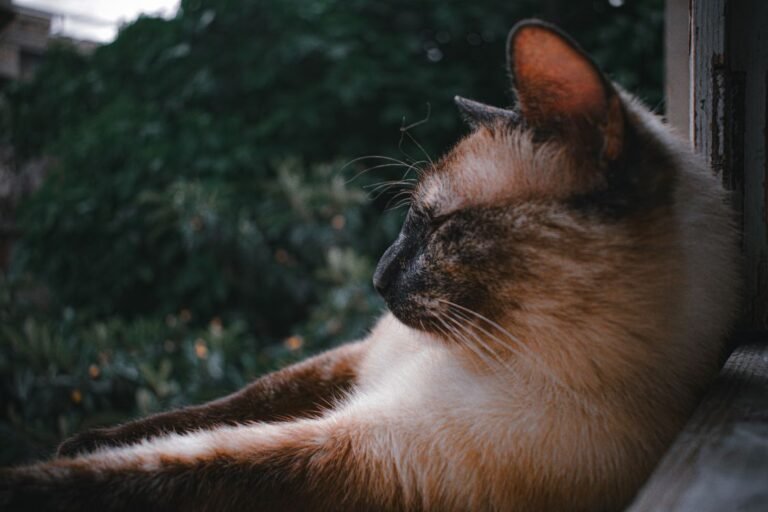
A Siamese cat is a medium, slender cat with a short pointed coat, blue almond-shaped eyes, large ears, and a loud, social nature. Its body stays light and athletic, while darker points appear on the ears, face mask, legs, and tail.
It helps to separate two words owners often mix up. Characteristics are the breed traits most Siamese cats share, such as the pointed coat and blue eyes. Traits are how strongly those qualities show in one cat, such as how talkative, bold, or clingy that cat happens to be. Two Siamese cats can share the same characteristics and still act quite differently at home.
Physical Characteristics
For a second breed reference, see Purina’s Siamese breed profile.
Body, Head, and Eyes
The Siamese body is long, slim, and muscular rather than stocky. Legs are slender, paws are neat and oval, and the tail is long and tapering. The head forms a wedge shape with a straight profile, and the ears are large and set wide apart.
The eyes give the breed away at once. They are almond-shaped, slanted toward the nose, and always blue. Eye color can range from pale sky blue to deep sapphire, and it stays blue for life. A Siamese cat that looks straight at you often seems to hold eye contact longer than many other breeds.
Coat and Point Colors
The coat is short, fine, glossy, and close-lying, with almost no undercoat. The body stays pale cream or fawn, while the points grow darker. Common point colors include seal, chocolate, blue, and lilac, and Siamese cat colors also include tabby and tortie point patterns in some lines.
Point color works through temperature. A gene limits pigment in warmer parts of the body, so cooler areas such as the ears, face, legs, and tail turn darker. That is why Siamese kittens are born almost white and gain their points over the first weeks and months. Points can also darken slightly with age or in cold weather.
Modern vs Traditional Siamese
Today you will see two main looks. The modern Siamese is very slender and angular, with a long tubular body and a sharp wedge head. The traditional Siamese, often called applehead or Thai type, is more moderate and rounded, with a sturdier body and a softer head shape.
Both types share the pointed coat, blue eyes, and social voice. The difference is mainly body style, not temperament. If you prefer a less extreme look, ask the breeder or shelter which type their cats follow, and judge the individual cat in front of you rather than the label alone.
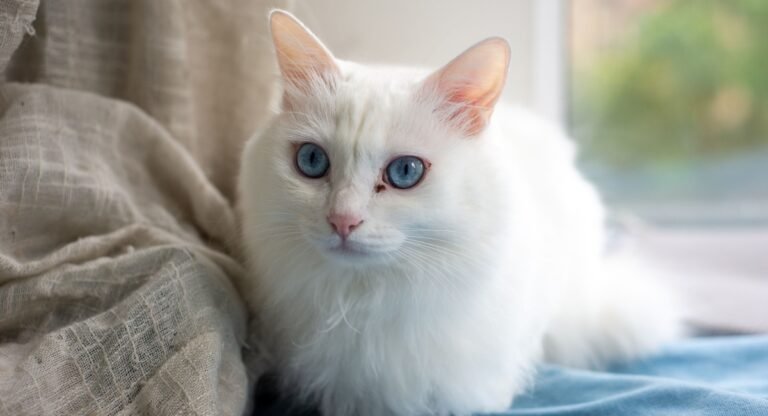
A White Siamese cat shares this pointed pattern in a paler form.
Personality Traits That Shape Daily Life
Social and Affectionate Nature
Siamese cats bond hard with their people. Many follow their owner from room to room, sit on laps, sleep on beds, and greet people at the door. They often pick a favorite person but still enjoy the wider household when it treats them with respect.
This social trait is a strength and a demand. A Siamese cat left alone for long hours with no company or play can grow bored, loud, or anxious. Homes where someone is around for much of the day, or where a second friendly cat keeps company, usually suit this breed better.
Voice and Communication
Voice is the trait new owners notice first. Siamese cats use a loud, low-pitched meow, chirps, and trills to ask for food, play, attention, or simply a reply. Some owners call them Meezers because the voice sounds almost like speech.
Voice is communication, not bad behavior on its own. A cat that meows more than usual may be hungry, bored, in pain, or stressed by a change at home. Learn your cat’s normal sounds first, then check food, water, litter, play, and health when the pattern shifts. If loud meowing starts suddenly or comes with appetite loss, hiding, or litter changes, ask a veterinarian for advice.

Intelligence, Curiosity, and Play
Siamese cats learn fast. Many learn fetch, recall, harness walks, and household routines with short, kind training sessions. They open doors, explore shelves, and watch everything you do, which makes them fun and, at times, hard to outsmart.
Curiosity needs a safe outlet. Offer climbing shelves, a sturdy cat tree, wand toys, and puzzle feeders that make meals take longer. Rotate toys so play stays fresh, and give at least two short interactive play sessions each day. A bored Siamese cat often invents its own games, and those games may involve your curtains, counters, or paperwork.

How Siamese Traits Change With Age
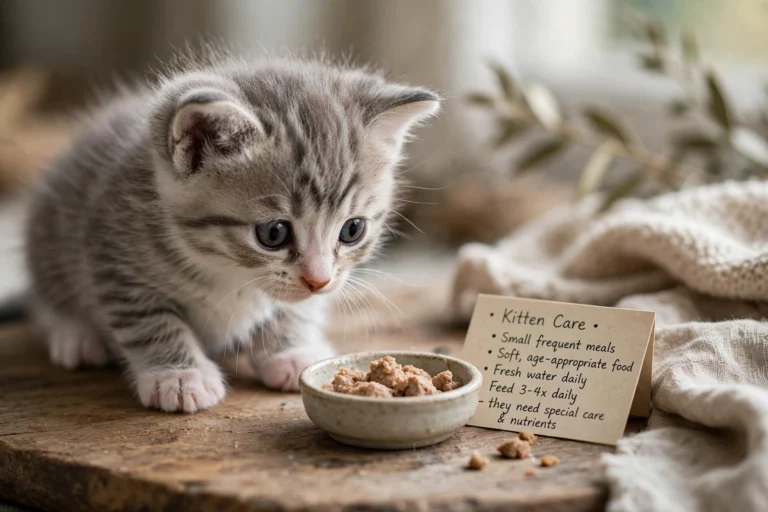
Kittens are pale, wobbly, and intensely curious. Their points darken as they grow, their voice strengthens, and their bond with people forms fast. Early gentle handling, varied sounds, and calm visitors help a kitten grow confident rather than fearful.
Adult Siamese cats, from about one to seven years, show the full breed pattern: high energy, strong opinions, and deep attachment. Senior cats, from about eleven years on, often slow down, sleep more, and seek warmth and quiet laps. Their voice may stay strong even as their body slows, so keep routines steady and watch for weight loss, thirst changes, or stiff movement, and raise those signs with a veterinarian.
Who Is a Siamese Cat a Good Fit For?
A Siamese cat suits people who want an interactive companion, not a background pet. It fits well in apartments and houses alike, as long as the home gives climbing space, daily play, and real company. It often does well with respectful children and with other friendly cats or dogs when introductions are slow and supervised.
It is a poor fit for a very quiet home, or for someone away all day with no other pet or enrichment. If you want a cat that rarely meows, stays out of the way, or sleeps through most of the day, another breed will suit you better. Honest fit matters more than looks, because a mismatched home is stressful for both the cat and the owner.
Daily Life With a Siamese Cat
A steady routine keeps Siamese traits in balance. Feed measured meals at regular times, keep fresh water available, and scoop the litter box daily. Brush the short coat once a week to remove loose hair, check ears and teeth during grooming, and keep nails trimmed.
Plan play in the morning and evening, when cats are naturally active. Add a puzzle feeder for one meal, a window perch for bird watching, and a safe hiding spot for rest. Keep small items, string, and toxic plants out of reach, since a curious Siamese cat will test them. This content is general information, not veterinary advice, so use your veterinarian for health, diet, and vaccination decisions for your own cat.
When Traits Become Problems
Strong traits can tip into problems when needs go unmet. Excessive meowing, night waking, scratching furniture, or knocking items over often point to boredom, hunger, stress, or a health issue rather than spite. Start by checking the basics: food, water, litter, sleep, play, and any recent change such as a move, a new pet, or a new work schedule.
Add play, rotate enrichment, and keep feeding and sleep times steady for at least two weeks before you judge the result. Use scratching posts near rest areas, and reward calm behavior with attention and treats. If the behavior is sudden, severe, or comes with vomiting, appetite loss, or litter avoidance, contact a veterinarian promptly rather than trying to train through a possible health problem.
Questions to Ask Before You Bring One Home
Ask the breeder or shelter about the cat’s age, health checks, vaccinations, and daily routine. Ask how vocal the cat is, how it acts with children and other pets, and whether it copes well alone for a few hours. Ask what food it eats now, so you can change diet slowly if needed.
Ask about the parents’ looks and temperament when that information is available, since it hints at adult size and voice. Ask what support the breeder or shelter offers after adoption, and what return policy applies if the match fails. Clear answers now prevent hard surprises later, and a good breeder or shelter will welcome these questions.
At a Glance: Siamese Cat Characteristics and Traits
| Feature | What to Expect |
|---|---|
| Body | Medium, slender, muscular, long tapering tail |
| Head and eyes | Wedge head, large ears, blue almond-shaped eyes |
| Coat | Short, fine, close-lying, pointed pattern |
| Point colors | Seal, chocolate, blue, lilac, plus tabby and tortie points |
| Personality | Social, affectionate, vocal, intelligent, curious |
| Energy | High, needs daily interactive play and enrichment |
| Grooming | Weekly brushing, low shedding |
| Lifespan | Often 12 to 20 years with good care |
| Best fit | Homes with company, play time, and patience for a talkative cat |
| Watch for | Boredom, separation stress, sudden behavior or appetite changes |
Frequently Asked Questions
Are Siamese cats friendly?
Yes, most Siamese cats are friendly and people-focused. They bond strongly, follow family members around the home, and enjoy laps, play, and conversation. Friendliness still varies by individual cat, so meet the cat first and watch how it acts with new people before you decide.
Why are Siamese cats so vocal?
Siamese cats are vocal because voice is a core breed trait, not a flaw. They use loud meows, chirps, and trills to ask for food, play, attention, or contact. A sudden rise in meowing can signal hunger, boredom, stress, or illness, so check routine and health first.
Do Siamese cats like to be alone?
Most Siamese cats dislike long periods alone. They thrive on company and can grow bored or anxious without people or another friendly pet nearby. If you work long hours away from home, plan enrichment, a companion pet, or a sitter to cover the lonely hours.
Are Siamese cats good for first-time owners?
They can be, if the owner is ready for a demanding, talkative cat. First-time owners should plan daily play, climbing space, and time at home, and learn basic cat care before adoption. Owners who want a quiet, independent cat should consider a calmer breed instead.
How much grooming does a Siamese cat need?
A Siamese cat needs light grooming. Brush the short coat once a week, check ears during grooming, and trim nails as needed. Shedding is low compared with longhaired breeds, but regular brushing still helps remove loose hair and keeps the coat glossy.
What is the difference between characteristics and traits in Siamese cats?
Characteristics are breed qualities most Siamese cats share, such as blue eyes, pointed coats, and a social voice. Traits describe how strongly those qualities show in one cat, such as how loud, bold, or clingy it is. That is why two Siamese cats can look alike yet act differently.
Conclusion
Siamese cat characteristics give you the look: a slender body, pointed coat, and blue eyes. Siamese cat traits give you the daily reality: a social, vocal, intelligent cat that wants company, play, and a voice in your routine. When those two sides match your home and schedule, this breed makes a loyal and entertaining companion for many years. When they do not match, the same traits can feel overwhelming, so choose with your daily life in mind, not looks alone.

MyPetsCreature is a trusted digital resource dedicated to providing well-researched, human-centric insights into pet care, health, and behavior. Our team of passionate pet enthusiasts delivers reliable advice, comprehensive guides, and essential tips to help pet parents worldwide ensure the well-being and happiness of their companion animals.