Can Cats with Kidney Disease Eat Tuna? Vet Facts
Can cats with kidney disease eat tuna? Most cats with chronic kidney disease, or CKD, should not eat tuna. Tuna brings two problems that weak kidneys handle poorly: high phosphorus and mercury. A healthy kidney can filter small amounts of these substances. A kidney with CKD cannot do that job well, so tuna adds strain at the exact time the kidneys need rest.
That short answer still leaves room for questions. Many owners see a cat refuse renal food and reach for tuna because the smell wakes up appetite. Others read a tuna recipe for kidney diets online and wonder why vets say avoid tuna. Both situations make sense, and both need a clear rule. A vet should guide every choice for a cat with CKD.
Table of Contents
- What Kidney Disease Changes About a Cat’s Diet
- Can Cats with Kidney Disease Eat Tuna? The Short Answer
- Why Tuna Puts Extra Work on Weak Kidneys
- Phosphorus in Tuna Compared with Renal Food
- When Can Cats with Kidney Disease Eat Tuna as a Topper?
- The Tuna-Juice Trick: Smell Without the Fish
- Safe Alternatives for Cats with Kidney Disease
- Warning Signs Tuna Made Things Worse
- What to Do When a Cat with Kidney Disease Refuses Renal Food
- Frequently Asked Questions
- Conclusion
What Kidney Disease Changes About a Cat’s Diet
Chronic kidney disease means the kidneys lose their power to filter waste from blood over time. Waste builds up, water balance shifts, and appetite often drops. Food then becomes part of care, not just fuel. A CKD diet limits phosphorus and keeps sodium modest. That pair matters most, because excess phosphorus speeds kidney damage and makes the disease move faster.
Cornell Feline Health Center explains chronic kidney disease in cats, its signs, and why early care helps. Cornell Feline Health Center gives a clear, vet-reviewed starting point for owners who want to learn how CKD works.
Can Cats with Kidney Disease Eat Tuna? The Short Answer
Can cats with kidney disease eat tuna as a regular food? No. Tuna should not form part of a CKD diet, and it should never replace renal food. Human canned tuna has high phosphorus, and the level is uncontrolled. A CKD cat eats it, phosphorus rises, and the kidneys face more work. That result runs against the whole aim of a renal diet.
Mercury adds a second reason to avoid tuna. Mercury can damage kidney cells, and CKD kidneys already have fewer working cells. Healthy kidneys filter small amounts of mercury, but CKD kidneys cannot clear it in the same way. Regular tuna therefore risks more harm for a cat whose kidneys already struggle.
For general tuna limits for healthy cats, read the tuna pillar: can cats have tuna. Healthy cats and CKD cats follow different rules, so a limit that suits a healthy cat does not make tuna safe for a CKD cat.

Why Tuna Puts Extra Work on Weak Kidneys
Kidneys filter blood, balance fluids, and clear waste. CKD weakens each of those jobs. Phosphorus then becomes a key problem. Food supplies phosphorus, blood carries it, and kidneys must clear the extra. When kidneys fail to clear it, phosphorus builds up and speeds damage to the kidney tissue that remains. A low-phosphorus diet slows that cycle.
Mercury works in a different way. It can damage kidney cells directly. A healthy cat can handle a small amount, but a CKD cat has less room for error. Each new load of mercury asks damaged kidneys to do more filtering, and that extra load can worsen the disease. Owners who ask can cats with kidney disease eat tuna should treat mercury as a kidney risk.
Phosphorus in Tuna Compared with Renal Food
Numbers make the difference clear. Prescription renal food states its phosphorus level on the label, and vets can match it to a cat’s blood tests. Human canned tuna gives no such control. Poultry-based renal diets sit at the lower end, because vets design them to limit phosphorus while they keep protein at a level that supports the cat.
| Food | Phosphorus level | Notes for CKD cats |
|---|---|---|
| Hill’s Prescription Diet k/d with Tuna | 0.52% phosphorus | Prescription-only renal food. Not for kittens or pregnant or nursing cats unless a vet directs it. |
| Human canned tuna | High phosphorus, uncontrolled | Made for people, not for CKD cats. Avoid as a food. |
| Poultry-based renal diets | Lower phosphorus | Vets design these diets to limit phosphorus for CKD cats. |
When Can Cats with Kidney Disease Eat Tuna as a Topper?
Here lies an honest contradiction. One source publishes a tuna renal recipe, while other sources say avoid tuna. That clash confuses owners, and it deserves a plain answer. A recipe that a vet designs for one cat, with exact amounts and a phosphorus binder, is not the same as a can of tuna from a shop shelf. The vet controls the dose, the other foods in the recipe, and the checks that follow. A shop can gives no control at all.
So when can cats with kidney disease eat tuna as a topper? Only as a tiny amount as a topper, to get a refusing cat to eat, and only with vet approval. The vet may also advise a phosphorus binder, which binds phosphorus in food so the body absorbs less of it. That narrow case has a clear aim: get food into a cat that will not eat. It does not turn tuna into a safe CKD food.
As a meal, tuna is never okay for a CKD cat. A meal-sized portion of tuna loads phosphorus and mercury at levels that a renal diet works hard to avoid. A topper is a taste, used to start eating. A meal is the main food, and tuna fails that role for CKD cats. Owners should keep that line firm and ask a vet before they cross it.
The Tuna-Juice Trick: Smell Without the Fish
Many CKD cats refuse renal food because the smell and taste feel flat. Tuna juice can help without feeding the fish itself. A splash of tuna juice over renal food or in water can wake up appetite and coax a cat to eat and drink. The cat gets the smell, but not a serving of tuna flesh.
Use a little juice, watch the cat, and stop if the cat turns away. Tell the vet if the cat will only eat food with tuna juice on it. The vet can suggest other ways to tempt the cat, or a different renal food that the cat likes more.
Safe Alternatives for Cats with Kidney Disease
Safe choices start with food that vets design for CKD. Poultry-based renal diets give a lower-phosphorus option with a taste many cats accept. Prescription renal food gives a vet a stated formula to match to blood tests. Both options beat a can of tuna, because both keep phosphorus under control while they still give the cat a complete diet. For a wider look at tuna for cats, read Is Tuna Good for Cats? Safe Portions and Benefits.
Phosphorus binders can also help, but only when a vet advises them. A binder works with food to cut the phosphorus that the body absorbs. It does not make tuna safe on its own, and owners should never add a binder to a tuna meal without a vet’s plan. Wet food helps too, because it adds water to the diet and supports hydration, which CKD cats need.
Warning Signs Tuna Made Things Worse
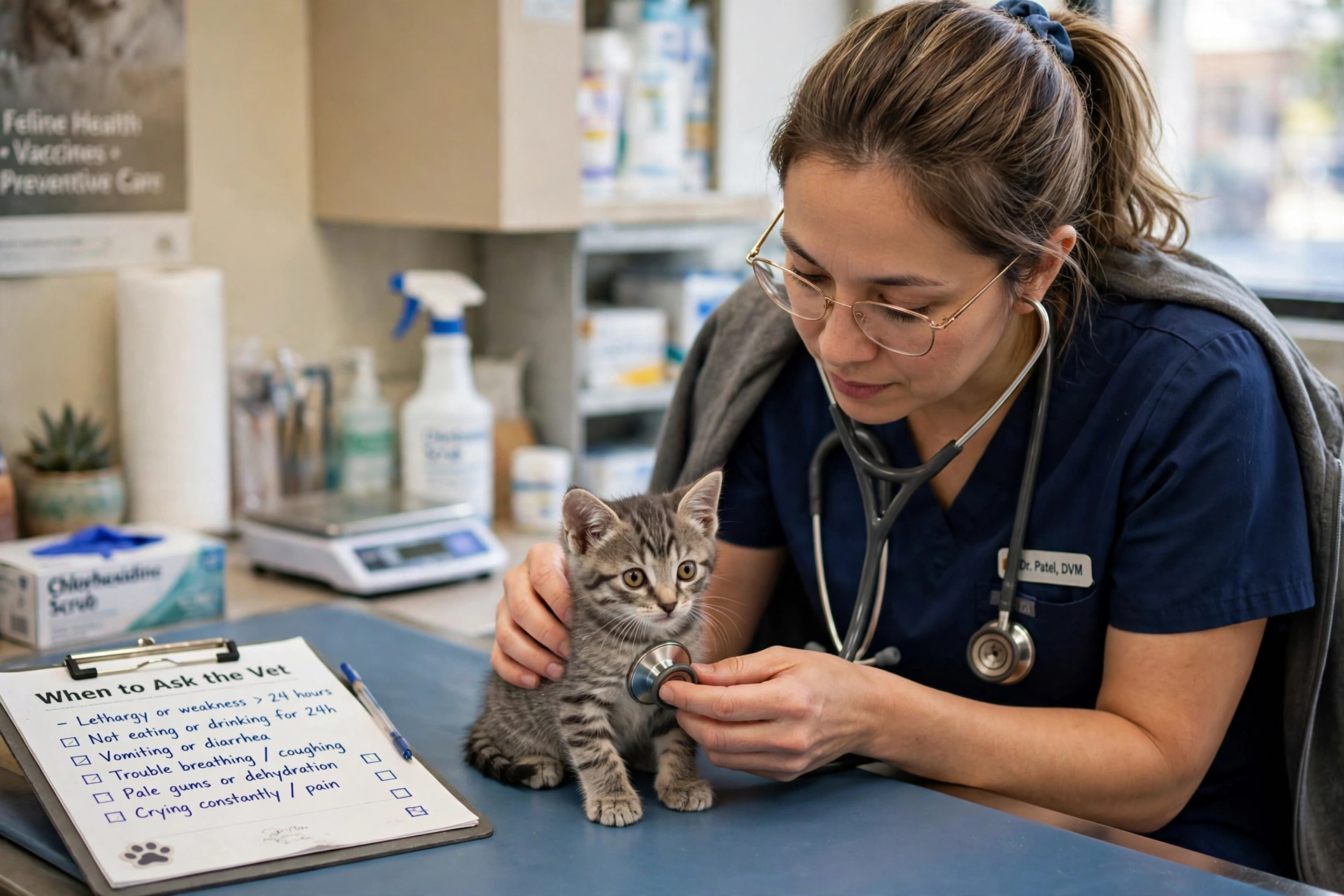
Watch a CKD cat closely after any tuna, even a tiny topper. Vomiting is a clear warning sign. Lethargy, or a cat that sleeps more and plays less, also counts. Increased thirst and urination can show that the kidneys face more strain. Refusing food is another sign, and it matters most for a CKD cat that already eats poorly.
Call the vet if any of those signs appear. Tell the vet how much tuna the cat ate, when it ate it, and what else changed. The vet may want a blood test, a change in food, or a check for dehydration. Do not wait for the signs to pass on their own, and do not offer more tuna to tempt the cat back to food. Ask the vet at that visit: can cats with kidney disease eat tuna?
What to Do When a Cat with Kidney Disease Refuses Renal Food
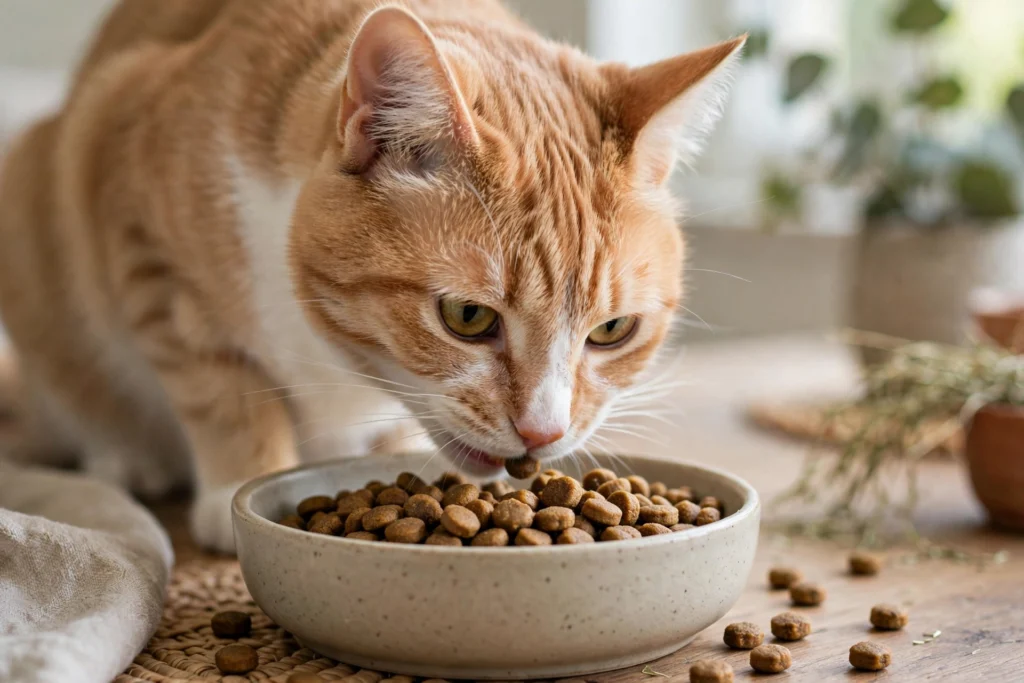
CKD cats must keep eating. A cat that eats nothing loses weight fast, and the kidneys suffer more. If a cat refuses renal food, owners often ask can cats with kidney disease eat tuna instead, but any food is better than none in the short term. That rule sounds odd next to a strict renal diet, but a short-term meal keeps strength up while the vet finds a better plan. The vet decides what comes next, not the owner alone.
Try small, practical steps first. Warm the food a little to lift the smell. Offer a fresh bowl, a quiet spot, and a different renal flavour or texture. Use the tuna-juice trick to tempt the cat. Offer wet food for hydration. If the cat still refuses food, call the vet the same day. The vet may change the renal food, add an appetite aid, or check for nausea and pain that block eating.
Frequently Asked Questions
Can cats with kidney disease eat tuna at all?
As a meal, no. A tiny amount as a topper may help a refusing cat eat, but only with vet approval, ideally with a phosphorus binder. Human canned tuna has high, uncontrolled phosphorus and mercury, so it does not suit a CKD diet.
Why is tuna bad for cats with kidney disease?
Tuna is high in phosphorus and mercury. Excess phosphorus speeds kidney damage, and mercury can damage kidney cells. Healthy kidneys filter small amounts, but CKD kidneys cannot, so tuna adds strain to kidneys that already work poorly.
Is Hill’s k/d with Tuna safe for CKD cats?
Hill’s Prescription Diet k/d with Tuna is a prescription renal food with 0.52% phosphorus. A vet prescribes it for a specific cat. It is not for kittens or pregnant or nursing cats unless a vet directs it.
Can tuna juice help a CKD cat eat?
Yes, a splash of tuna juice can tempt a CKD cat to eat renal food and drink more water, without feeding the fish itself. Use a small amount, watch the cat, and ask the vet if the cat still refuses food.
What should a CKD cat eat instead of tuna?
Poultry-based renal diets and prescription renal food are safer choices, because vets design them to limit phosphorus. Wet food adds hydration, and a vet may advise a phosphorus binder. Ask a vet to match food to blood tests.
When should I call the vet after tuna?
Call the vet if the cat vomits, grows lethargic, drinks and urinates more, or refuses food after tuna. Tell the vet how much tuna the cat ate and when. The vet may order blood tests or change the food plan.
Conclusion
Can cats with kidney disease eat tuna? As a meal, no. Tuna is high in phosphorus and mercury, and CKD kidneys cannot filter those loads well. A tiny topper may help a refusing cat eat, but only with vet approval, ideally with a phosphorus binder. Poultry-based renal diets, prescription renal food, wet food for hydration, and the tuna-juice trick give safer ways to keep a CKD cat eating.
Keep the vet at the centre of every food choice. Watch for vomiting, lethargy, more thirst and urination, and food refusal, and call the vet fast if those signs appear. A CKD cat must keep eating, and a vet can find a renal food that the cat will accept without the risks that tuna brings.
General information only — not veterinary advice

MyPetsCreature is a trusted digital resource dedicated to providing well-researched, human-centric insights into pet care, health, and behavior. Our team of passionate pet enthusiasts delivers reliable advice, comprehensive guides, and essential tips to help pet parents worldwide ensure the well-being and happiness of their companion animals.