Dog Excessive Licking: Causes, Signs, and Help
Dog excessive licking can turn a quiet evening into a worry. Your dog licks its paws, legs, belly, or the air for long stretches, and you wonder whether it needs help now or just needs a distraction. This guide gives you a clear way to tell normal licking from a pattern that needs attention, and it lists calm steps you can take at home.
Use the signs below to check the pattern, note when it happens, and decide your next step. You will learn the most common causes, the warning signs that call for a vet visit, and simple routines that often reduce licking when the cause is boredom, stress, or mild skin irritation.
Table of Contents
- What Counts as Dog Excessive Licking?
- Common Causes of Dog Excessive Licking
- Warning Signs That Need a Vet Visit Soon
- What You Can Do at Home
- How Vets Usually Check the Problem
- At a Glance: Licking Patterns and What They May Suggest
- Watch: Why Dogs Lick So Much
- Frequently Asked Questions
What Counts as Dog Excessive Licking?
Normal licking helps a dog clean its coat, cool down after a walk, and explore taste and smell. A dog may lick its lips after a meal, groom a paw for a minute after rain, or lick you as a greeting. That kind of licking stops on its own, and it does not damage the skin.
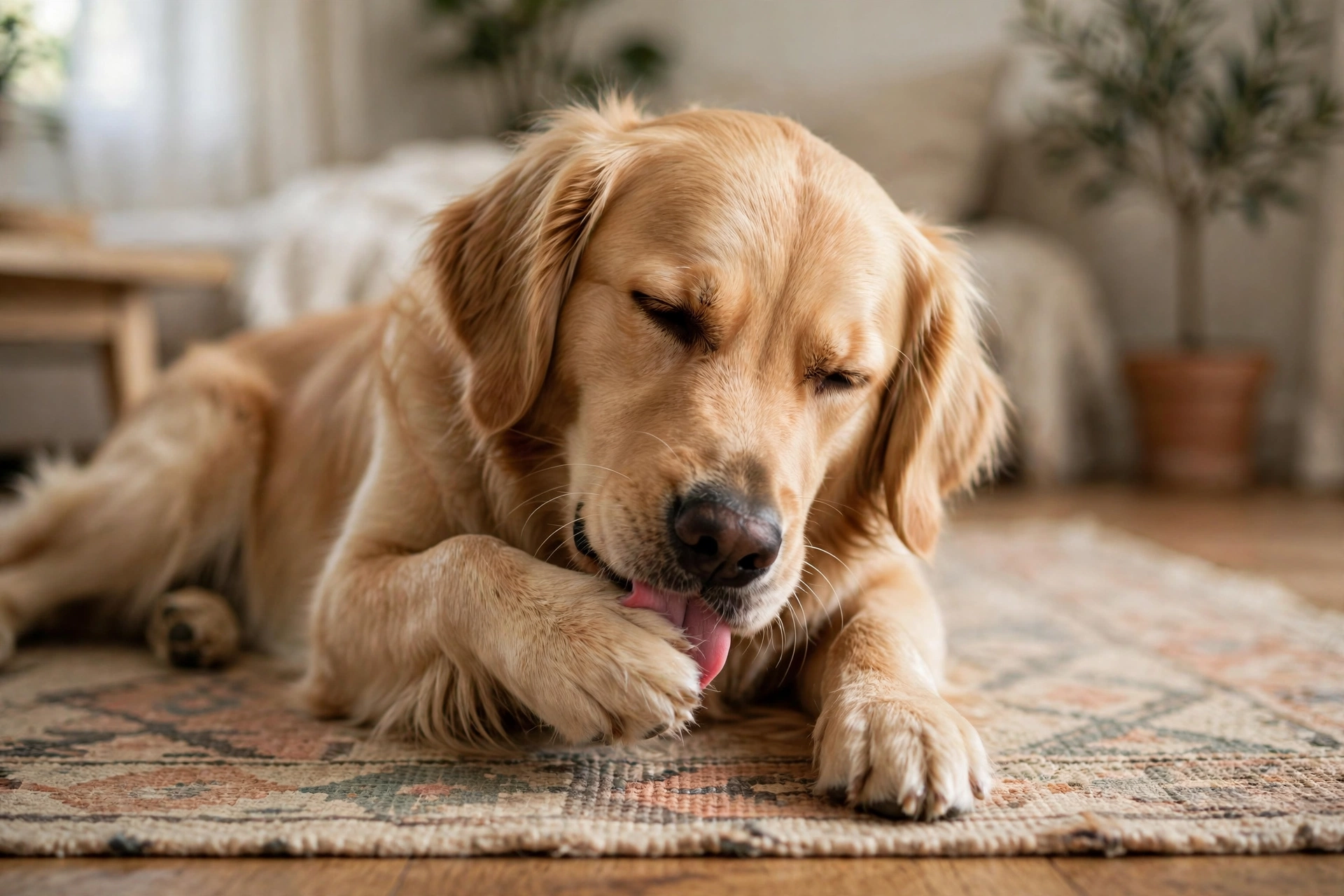
Dog excessive licking looks different. The licking lasts for long periods, returns many times each day, or focuses on one spot. A dog may ignore food, play, or a walk because it wants to keep licking. It may lick at night, wake from sleep to lick, or lick the floor, air, or furniture in a fixed pattern.
Watch the skin as well as the habit. Red skin, damp fur, hair loss, sores, swelling, or a hot spot can show that licking has gone too far. A dog that licks one paw may have a thorn, a cut, or a sore between the toes. A dog that licks its belly or groin may feel itchy, sore, or unsettled in its gut. When you track the spot, the time of day, and any change in food, walks, or routine, you give a vet useful facts to work with.

Common Causes of Dog Excessive Licking
Licking rarely has one cause for every dog. The cause often sits in one of three groups: skin problems, pain or illness, and stress or habit. A dog can also have more than one cause at the same time, so a skin problem can grow worse when stress adds to it.
Skin and Allergy Problems
Itchy skin ranks among the most common reasons for dog excessive licking. Pollen, dust mites, mold, and some foods can trigger itching in dogs that react to them. Fleas can also cause strong itching, even when you see only a few fleas. Dry skin in winter, harsh shampoos, and contact with lawn chemicals or new bedding can irritate the skin too.
Allergy licking often targets the paws, belly, ears, and groin. A dog may chew its feet, rub its face on rugs, or scratch its ears along with licking. The skin may look pink, flaky, or damp between the toes. If paw licking dominates the pattern, read the MyPetsCreature guide on dog licking paws treatment for paw checks and care steps that fit this pattern.
Pain, Nausea, and Health Problems
Pain can drive licking too. A dog may lick a joint that aches, a wound that stings, or an area near a sore tooth. Older dogs may lick more when arthritis makes movement stiff, and dogs with back or neck pain may lick their legs or sides. Licking does not prove pain, but a new, focused pattern deserves a close check.
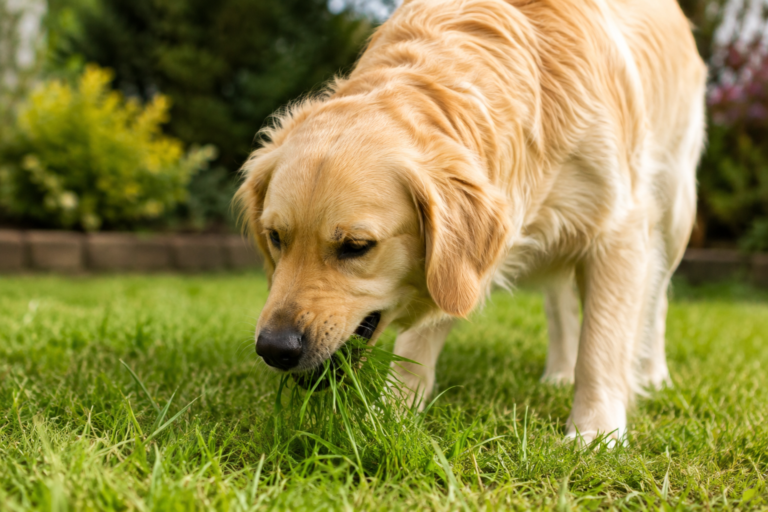
Nausea can also trigger licking. Dogs with an upset stomach sometimes lick the air, the floor, or their lips in repeated bursts. They may drool, eat grass, or refuse food. Gut problems, food intolerance, and some medicines can upset the stomach. A sudden change in appetite, vomiting, diarrhea, weight loss, or low energy calls for a vet visit, even when licking seems like the main problem.
Stress, Boredom, and Learned Habits
Dogs use licking to calm themselves, much like people pace or fidget. A move, a new pet, loud noise, a long day alone, or a change in walk times can raise stress. Boredom can have the same effect. A dog with little play, sniff time, or training may turn to licking as a way to fill the day.
Habits can then keep the pattern going. Licking releases a calming effect for some dogs, so the dog repeats it when it feels tense or bored. Owners may also reward the habit by accident when they pet, talk to, or feed the dog each time it licks. That response does not mean you caused the problem, but it can make a habit harder to break. A steady routine, play, and calm redirection often help more than scolding.
Warning Signs That Need a Vet Visit Soon
Book a vet visit soon when licking comes with sores, swelling, bleeding, or hair loss. Seek care the same day for a swollen face, trouble breathing, collapse, severe vomiting, bloody diarrhea, or a dog that cannot settle, eat, or drink. Those signs point to a problem that home care cannot settle.
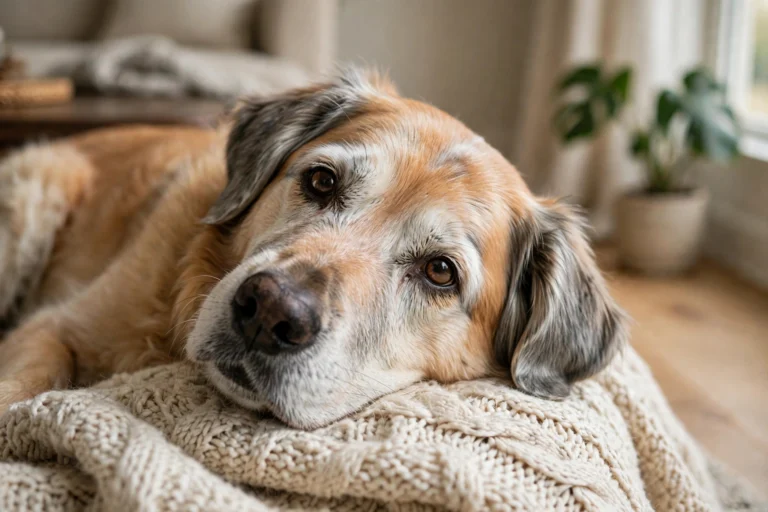
Also book a visit when licking starts suddenly, gets worse over days, or lasts more than a week despite basic care. Note any new food, treat, medicine, shampoo, or cleaning product. Note changes in thirst, urination, appetite, sleep, and movement. Older dogs need extra care here, because a new habit can pair with joint pain, weaker mobility, or other age changes. The MyPetsCreature guide on senior dog care can help you plan comfort, movement, and vet checks for an older dog.
Before the visit, take a short video of the licking if you can do so safely. Record the spot, how long it lasts, and what happens just before it starts. Bring a list of foods, treats, medicines, and recent changes. That record helps the vet rule out common causes faster and choose the right tests.
What You Can Do at Home
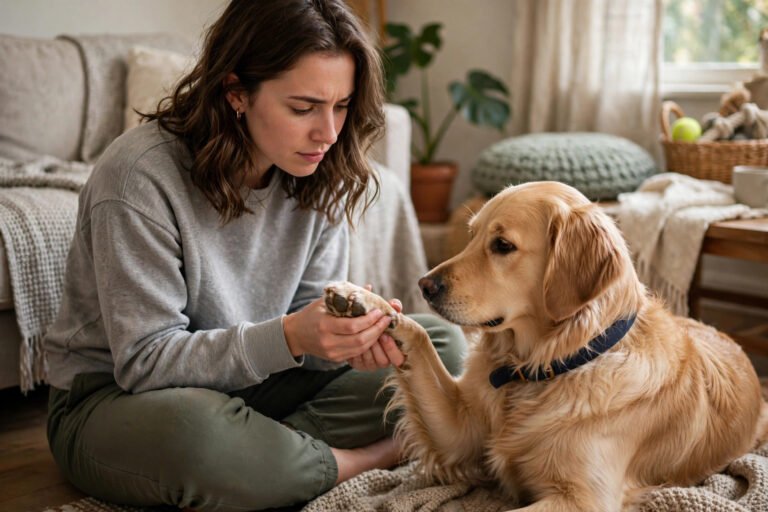
Start with a gentle check. Look at the paws, skin, ears, mouth, and belly in good light. Check between the toes for cuts, burrs, or redness. Brush the coat and look for fleas, flea dirt, or dry patches. Keep the check calm and short. Stop if your dog shows pain, and let a vet handle a sore or swollen area.
Clean mild irritation with plain water and pat the area dry. Avoid strong antiseptics, scented sprays, and home remedies that can sting or dry the skin. Use a vet-approved flea control plan if fleas could play a role, and wash bedding in a mild, fragrance-free detergent. Keep walks on clean paths when you can, and rinse paws after wet grass or road salt.
Break the habit loop with calm redirection. Offer a chew toy, a food puzzle, a short training game, or a sniff walk when licking starts. Keep sessions short and upbeat. Add two or three play and sniff breaks each day, and keep meal and walk times steady. If licking starts at a set time, plan an activity just before that time so your dog has another outlet.
How Vets Usually Check the Problem
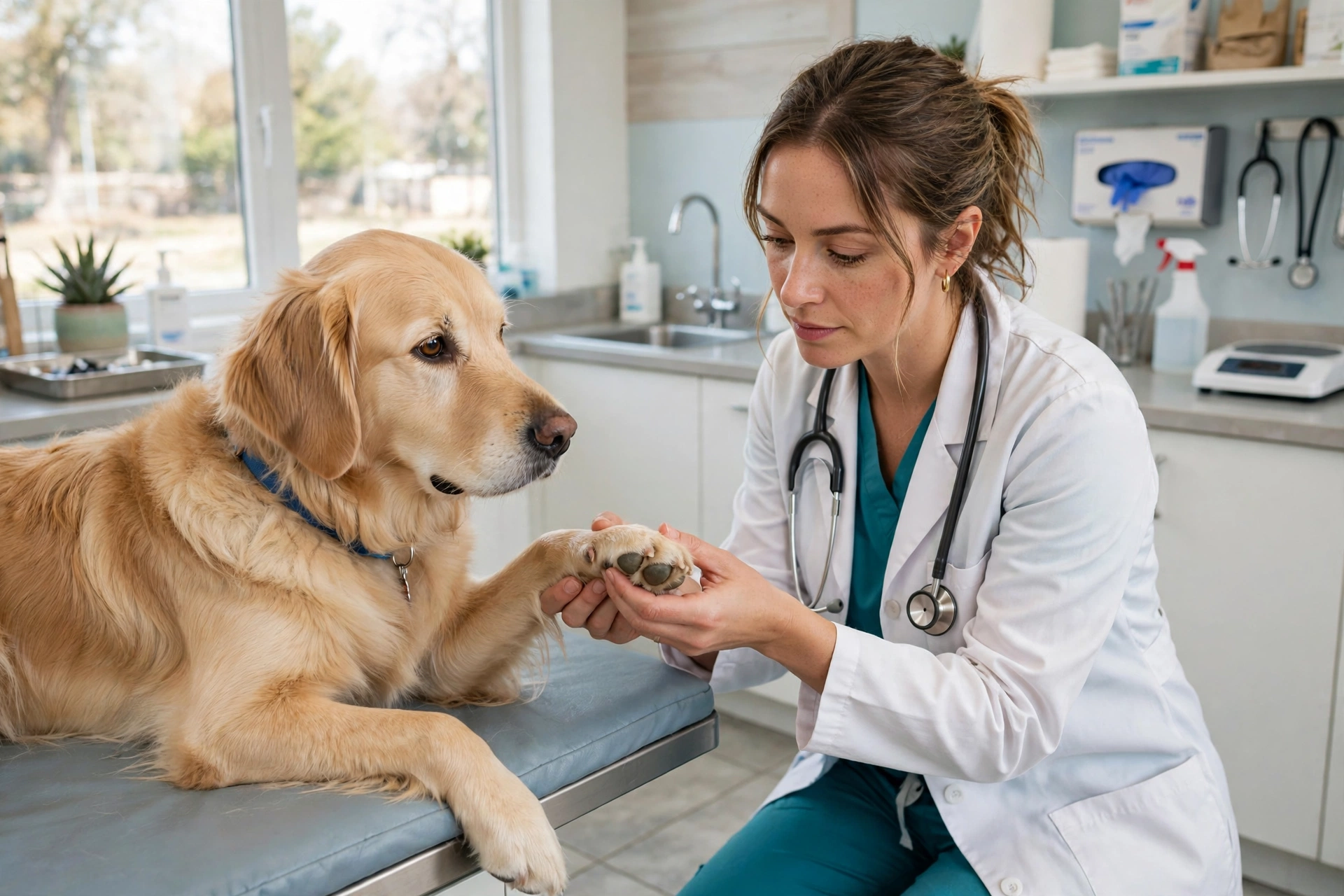
A vet will ask when licking started, where your dog licks, and what changes you noticed. The vet will check the skin, ears, mouth, teeth, joints, and belly, and may run skin scrapings, allergy tests, blood tests, or imaging when the exam points that way. The goal is to find the cause, not just stop the licking.
Treatment depends on the cause. A vet may treat fleas, skin infection, or allergy, adjust food, or change a medicine. For stress or habit licking, a vet may suggest a behavior plan, more enrichment, and follow-up checks. For pain, the vet may treat the sore joint or tooth and track whether licking fades as pain eases. This article gives general information only, and it does not replace vet advice for your dog.
For a trusted outside source, the American Kennel Club explains common reasons dogs lick and when owners should seek vet care. Read the AKC guide to why dogs lick for a second view on normal and problem licking.
At a Glance: Licking Patterns and What They May Suggest
| Licking pattern | Common link | First step |
|---|---|---|
| Paws, often after walks | Allergy, irritation, or a paw injury | Check between toes and rinse paws |
| Belly or groin | Itchy skin or gut upset | Check skin and note food or stool changes |
| Air or floor, in bursts | Nausea or gut upset | Note appetite and vomiting, then call a vet |
| One joint or leg | Pain or a sore spot | Check gently and book a vet visit |
| People, at set times | Attention, stress, or habit | Redirect to play or a food puzzle |
Watch: Why Dogs Lick So Much
This short video from AnimalWised explains six common causes of constant licking in dogs. Watch it to match the pattern you see at home with the causes in this guide.
Frequently Asked Questions
Why does my dog lick everything all of a sudden?
A sudden change often points to a new trigger. Check for a new food, treat, shampoo, cleaning product, flea bite, cut, or stress event. Note vomiting, diarrhea, or appetite changes too. If licking lasts more than a few days or comes with sores, book a vet visit.
Is dog excessive licking always a health problem?
No, not always. Some dogs lick from boredom, stress, or habit, and some lick people to seek attention. Still, frequent or focused licking deserves a check, because itching, pain, nausea, or skin infection can hide behind a habit. Track the pattern before you rule out a health cause.
How do I stop my dog from licking its paws?
Check the paws for cuts, burrs, redness, or swelling, and rinse them after walks. Treat fleas if needed, and keep bedding clean. Redirect paw licking to a chew toy or food puzzle. If redness, sores, or swelling appear, or licking lasts more than a week, ask a vet for help.
Can stress cause a dog to lick too much?
Yes, stress can cause licking. Loud noise, a move, a new pet, long hours alone, or a changed routine can raise tension. A dog may lick to calm itself, then repeat the habit. Steady routines, play, sniff walks, and calm redirection often reduce stress licking over time.
When should I worry about my dog licking?
Worry more when licking causes sores, hair loss, swelling, or bleeding, or when it pairs with vomiting, diarrhea, appetite loss, or low energy. Seek same-day care for breathing trouble, collapse, or severe vomiting. A sudden, focused, or worsening pattern also needs a vet visit.
Should I punish my dog for licking?
No, punishment rarely helps and can raise stress, which can make licking worse. Use calm redirection instead. Offer a toy, a puzzle, or a short game, and praise calm behavior. If licking stays frequent despite redirection, ask a vet or a qualified behavior professional for a plan.
Conclusion
Dog excessive licking tells you something needs a closer look. It may point to itchy skin, pain, nausea, stress, or a habit that grew from one of those causes. Start by noting where, when, and how often your dog licks, check the skin and paws gently, and use calm play and routine to break the loop.
Book a vet visit when licking causes damage, starts suddenly, lasts more than a week, or comes with other signs of illness. With clear notes, basic home care, and the right vet plan, most owners can find the cause and help their dog feel more settled.

MyPetsCreature is a trusted digital resource dedicated to providing well-researched, human-centric insights into pet care, health, and behavior. Our team of passionate pet enthusiasts delivers reliable advice, comprehensive guides, and essential tips to help pet parents worldwide ensure the well-being and happiness of their companion animals.