What Kind of Milk Can Cats Drink? 6 Clear Answers
What kind of milk can cats drink? The short answer is that most adult cats do not need milk at all, and plain cow milk often causes stomach upset. Water meets a healthy cat’s daily fluid needs, and milk should only be a small, occasional treat when a cat can handle it.
This guide explains can cats drink milk, why lactose intolerance in cats is common, and which cat-safe milk alternatives people ask about. It gives general information only and is not veterinary advice.
Table of Contents
- Can Cats Drink Milk?
- Lactose Intolerance in Cats
- What Kind of Milk Can Cats Drink?
- What Kind of Milk Can Cats Drink Instead of Cow Milk?
- Kittens and Adult Cats: What Changes?
- How to Offer Milk and What to Watch For
- Milk Options at a Glance
- Frequently Asked Questions
Can Cats Drink Milk?
Cats can lap milk, and many cats like the taste. Liking a food does not mean the food suits the cat. A cat’s gut may still react to milk even when the cat asks for more. That gap between taste and tolerance explains why the old picture of a cat with a saucer of milk can mislead owners.
Adult cats need a complete, balanced diet and fresh water. Milk adds calories and fat, but it does not replace water.
Some cats tolerate a small amount of milk with no clear problem. Other cats show signs soon after they drink it. You cannot judge tolerance from one saucer alone, because the amount, the type of milk, and the cat’s gut on that day all play a part.
Lactose Intolerance in Cats
Lactose is the natural sugar in milk. The body breaks lactose down with an enzyme called lactase. Kittens make a good supply of lactase while they nurse, because their main food is their mother’s milk. As many cats grow up, lactase levels fall. When lactase falls, lactose can pass through the gut without full digestion.
Undigested lactose can draw water into the gut and feed gut bacteria. That process can lead to soft stools, diarrhea, gas, bloating, and stomach cramps. Some cats vomit. Signs differ from cat to cat, and a cat may react to one type of milk and not to another. That is why asking what kind of milk can cats drink matters more than asking if a cat likes milk.
How to spot a problem
Watch your cat after a new food or drink. Look for loose stools, more gas than usual, a swollen belly, low appetite, or less energy. Note what the cat ate and drank, and how much. That note helps you and your veterinarian see a pattern. If signs keep coming back, stop the milk and seek veterinary advice.
Lactose intolerance is not the same as a milk allergy, though both can cause stomach upset. An allergy involves the immune system and can also affect the skin. If your cat shows skin signs, swelling, or trouble breathing after a food, get veterinary care at once.
What Kind of Milk Can Cats Drink?
When people ask what kind of milk can cats drink, they often mean cow milk from the store. For most adult cats, plain cow milk is the least safe choice among common milks. It still holds lactose, and skim milk, whole milk, and flavored milk all hold lactose, so a lower fat level does not solve the problem. Chocolate milk is a clear no, because chocolate can harm cats.
Lactose-free milk made for cats is the form most owners ask about first. Makers remove or break down the lactose, so the milk puts less strain on a cat that lacks lactase. That change helps with lactose, but it does not make milk a daily need. Treat it as a treat, and read the label for added sugar, flavor, and other ingredients.
Plain lactose-free cow milk for people can also suit some cats, because the lactose has been broken down. Check the label for sweeteners and additives first. Some sweeteners used in human foods can harm cats, so a short, plain ingredient list matters. If you cannot confirm the ingredients, skip that product.
Goat milk still holds lactose, though it holds less lactose than cow milk in many cases. Some cats tolerate goat milk better than cow milk, and some cats do not. Goat milk is not lactose-free. If you try it, use a plain product with no added sugar or flavor, and watch for the same stomach signs you would watch for with cow milk.
Watch this short video from AnimalWised for a plain look at cats and milk:
What Kind of Milk Can Cats Drink Instead of Cow Milk?
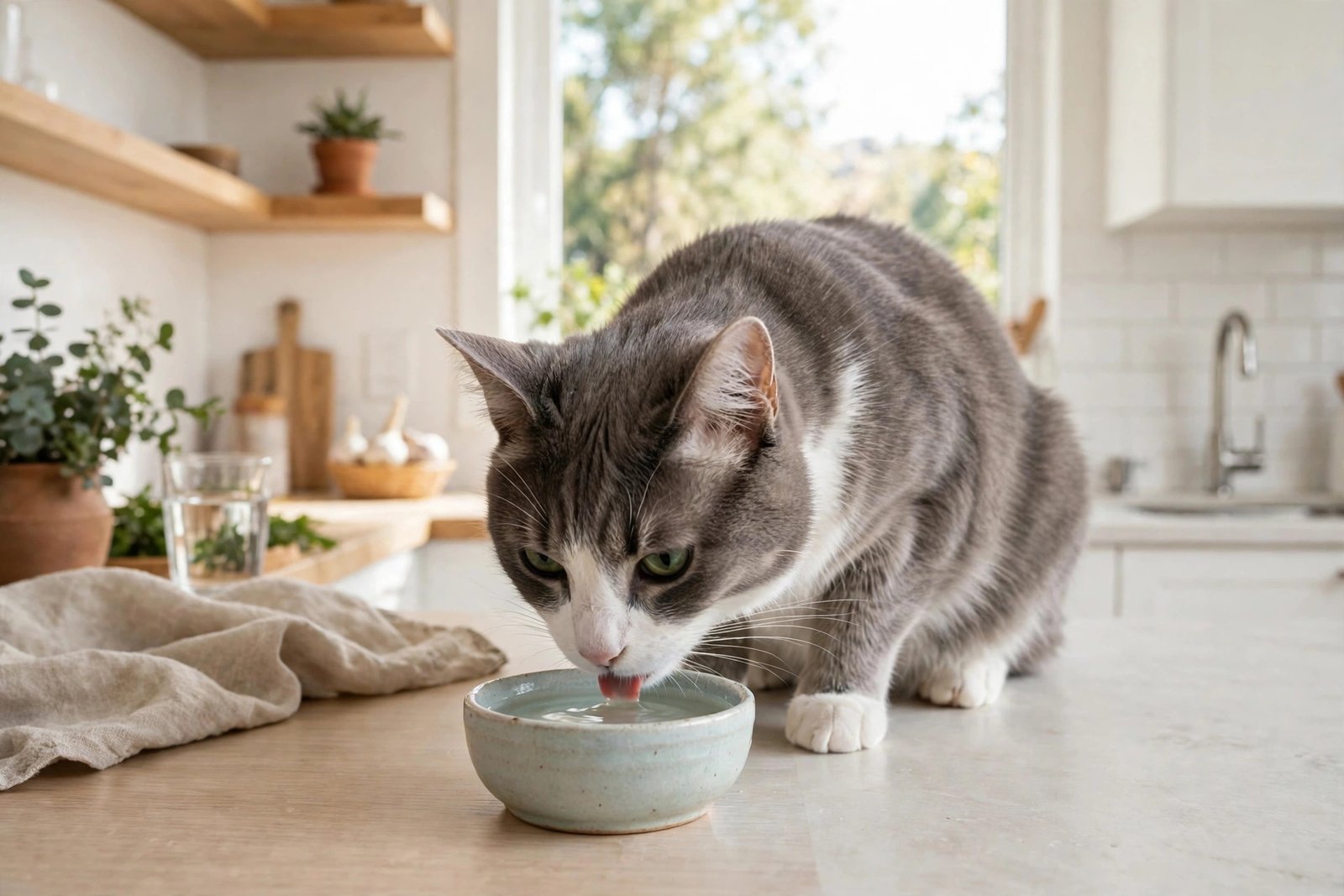
Water is the best everyday drink for cats. Fresh, clean water supports hydration with no lactose, no added sugar, and no extra calories. Some cats drink more when you place bowls away from food and clean bowls each day. A cat water fountain can also help a cat that likes moving water. If your cat drinks little water, talk with your veterinarian rather than swapping water for milk.
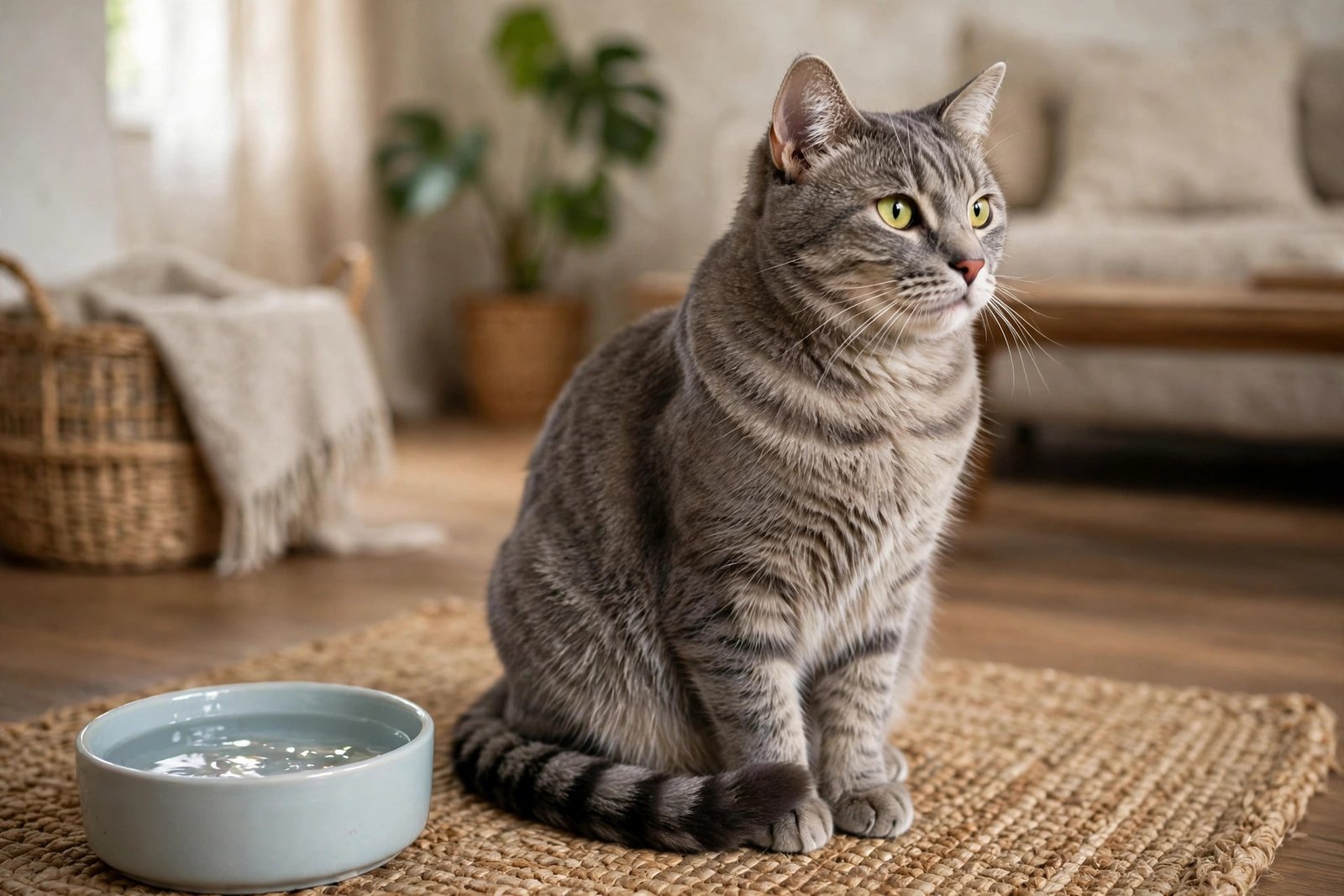
Cat milk made without lactose is the closest milk-style treat for many adult cats. It gives the taste and texture of milk with less lactose risk. Keep portions small and rare, and count the treat as part of the cat’s daily food intake. So what kind of milk can cats drink as a treat? A plain lactose-free cat milk fits that role best for many cats.
Kitten milk replacer is a different product. Vets and rescues use it for orphaned kittens that cannot nurse. It is not a treat for adult cats, and it is not a swap for a mother’s milk in a healthy nursing litter. Use it only when a veterinarian or a rescue guide tells you to, and follow the product directions.
Plant-based drinks need care. Almond milk, soy milk, and oat milk do not hold lactose, but that fact alone does not make them safe for cats. Some brands add sugar, salt, flavor, or sweeteners. If a label lists a sweetener you do not know, do not offer it. Raw milk is not a safer swap either, because it can carry germs and still holds lactose.
Kittens and Adult Cats: What Changes?
Kittens and adult cats do not face the same milk question. A newborn kitten needs its mother’s milk, and an orphaned kitten needs a proper kitten milk replacer. Cow milk does not match the nutrient mix of a mother’s milk, and it can upset a young kitten’s gut. Do not give a kitten cow milk as a stand-in for its mother’s milk or for a replacer.
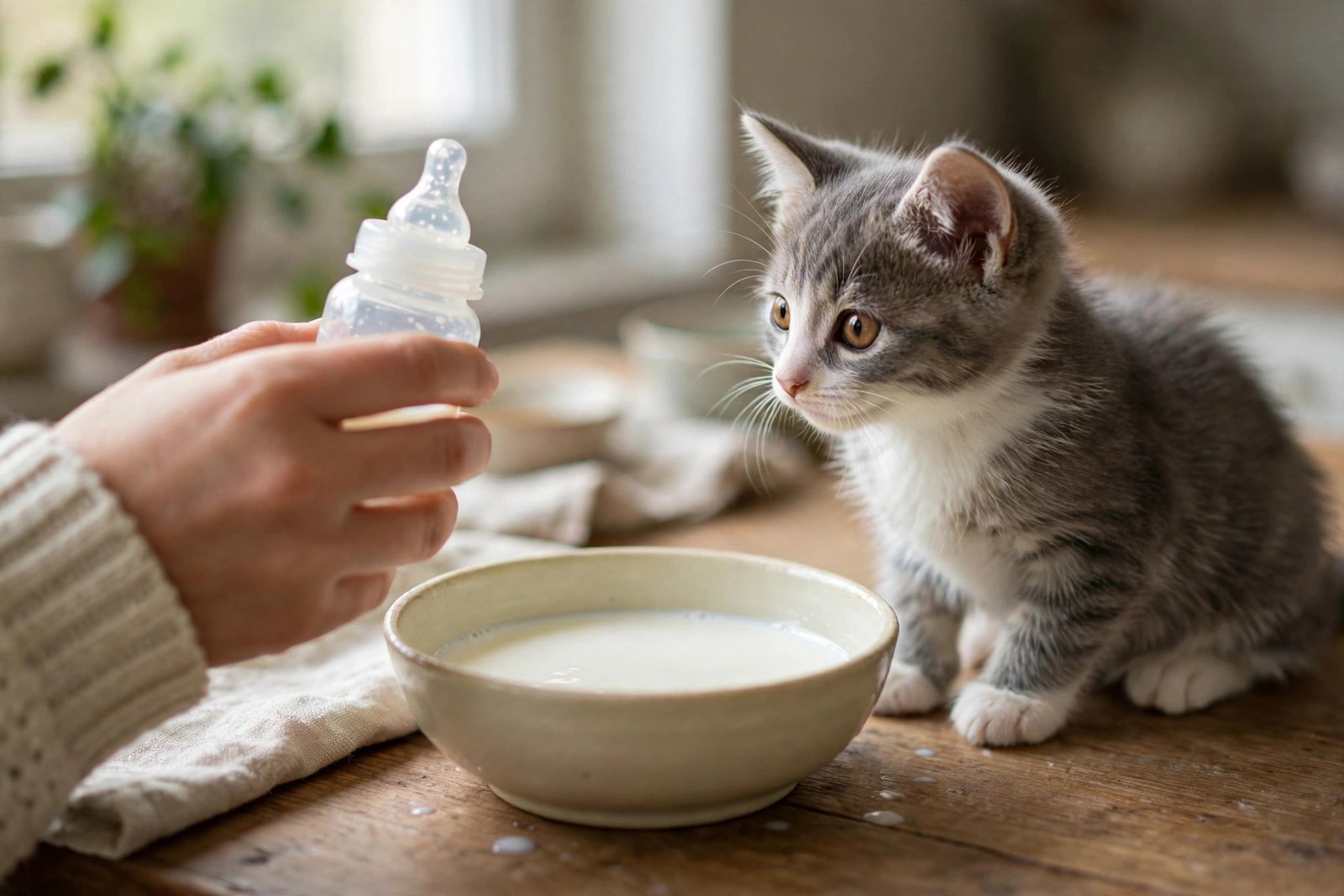
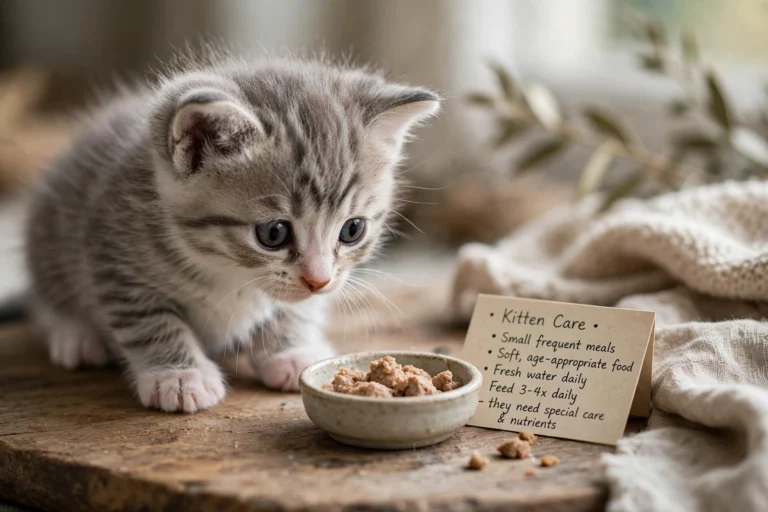
As kittens move to solid food, their need for milk falls. They learn to eat kitten food and drink water. Good kitten care sets that pattern early: set meal times, fresh water, and a clean bowl.
Adult cats show the widest range of tolerance. Some adults keep more lactase than others, and some lose most of it. Age, gut health, and past diet can all play a part. Even Siamese cats differ from one cat to the next, so breed alone does not tell you if a cat will handle milk. Judge each cat by its own response, and keep milk rare even for a cat that seems fine. For adult cats, what kind of milk can cats drink safely depends on the individual cat, not on age alone.
How to Offer Milk and What to Watch For
If you decide to offer milk, keep the plan simple. Choose a plain, lactose-free cat milk or a plain lactose-free milk with a safe label. Offer a small amount in a clean bowl, and keep fresh water out as well. Do not mix milk into the cat’s main food unless your veterinarian suggests it, because that mix can hide how much milk the cat took and can spoil fast. Before you offer a treat, ask what kind of milk can cats drink in your cat’s case, based on past reactions.
Watch the cat after the treat. Look for soft stools, gas, bloating, vomiting, or a drop in appetite. If any sign shows up, stop the milk. Do not offer a different milk the same day and hope for a better result. A calm gut and a clear note of what you offered give you a better read on the cause.
Keep milk out of the daily routine. Milk works best as a rare treat, not as a way to coax a cat to drink or eat. If your cat will not drink water, look for the cause first. A dirty bowl, a bowl placed too close to food, stress, or illness can all cut water intake. The ASPCA general cat care guide gives useful background on daily cat care at home.
Store milk in the fridge, check the date, and wash the bowl after each use. Milk residue can turn sour and put a cat off its next drink.
Milk Options at a Glance
The table below sums up the options in this guide for comparison only. It is not a recommendation to give milk, and water stays the best everyday choice for cats. Use the table to compare what kind of milk can cats drink, and remember water stays first.
| Option | Lactose | Fit for most adult cats |
|---|---|---|
| Cow milk | Yes | Poor choice; often upsets the stomach |
| Lactose-free cat milk | Removed or broken down | Better milk-style treat; still keep it rare and small |
| Goat milk | Yes, in smaller amounts than cow milk in many cases | Mixed; some cats tolerate it, some do not |
| Water | No | Best everyday drink |
Frequently Asked Questions
Can cats drink milk?
Some cats can drink a small amount of lactose-free milk with no problem, but many adult cats cannot handle plain cow milk. Water is the safest everyday drink. Milk should stay a rare treat, not a daily drink. If you wonder what kind of milk can cats drink, lactose-free cat milk is the usual treat choice.
What kind of milk can cats drink safely?
Plain lactose-free cat milk is the most common milk-style treat for adult cats. Check the label for added sugar or sweeteners. Even then, keep the portion small and rare, and stop if stomach signs appear.
Is goat milk safe for cats?
Goat milk is not lactose-free, so it can still upset cats. Some cats tolerate it better than cow milk, but others do not. Use a plain product only, watch for loose stools or gas, and stop if signs appear.
Can kittens drink cow milk?
No. Kittens should drink their mother’s milk or a proper kitten milk replacer when they cannot nurse. Cow milk does not match a kitten’s needs and can upset its gut. Ask your veterinarian if a kitten needs help with feeding.
What are good cat-safe milk alternatives?
Water is the best choice each day. Lactose-free cat milk can serve as a rare treat for some adult cats. Plant-based drinks need a careful label check, and they do not replace water or a balanced diet.
What should I do if my cat drinks cow milk?
Do not panic over a small lap, but watch for soft stools, gas, bloating, or vomiting. Offer fresh water and the cat’s normal food. If signs last or your cat seems unwell, contact your veterinarian for advice.
Conclusion
What kind of milk can cats drink comes down to a simple rule: water first, milk rarely, and plain cow milk off the list for most adult cats. Lactose-free cat milk can suit some cats as a small treat, and goat milk suits only some cats. Watch your own cat’s response, keep portions small, and talk with your veterinarian when stomach signs show up. That steady approach keeps a treat from turning into a stomach problem.

MyPetsCreature is a trusted digital resource dedicated to providing well-researched, human-centric insights into pet care, health, and behavior. Our team of passionate pet enthusiasts delivers reliable advice, comprehensive guides, and essential tips to help pet parents worldwide ensure the well-being and happiness of their companion animals.