

Is Grass Good for Dogs? What Owners Should Know
Is grass good for dogs? Dogs grazing on the lawn is one of the most common sights owners ask about, because it looks strange even though it is usually harmless. The key question is not whether a dog eats grass, but how much, how often, and whether the lawn has been treated with chemicals.
The honest answer is that a small amount of plain grass is usually harmless for a healthy dog, and it may even do a little good. But grass is not a health food, and it is not a cure for an upset stomach either. What matters most is why your dog is eating it, what has been put on the lawn, and how often it happens.
Table of Contents
- Is Grass Good for Dogs? The Short Answer
- Why Dogs Eat Grass in the First Place
- What Grass Can Actually Offer a Dog
- When Grass Eating Is a Warning Sign
- How to Make Grass Safer for Your Dog
- Better Ways to Add Roughage to Your Dog’s Diet
- Watch: 3 Reasons Why Dogs Eat Grass
- Is Grass Good for Dogs? At a Glance
- Frequently Asked Questions
Is Grass Good for Dogs? The Short Answer
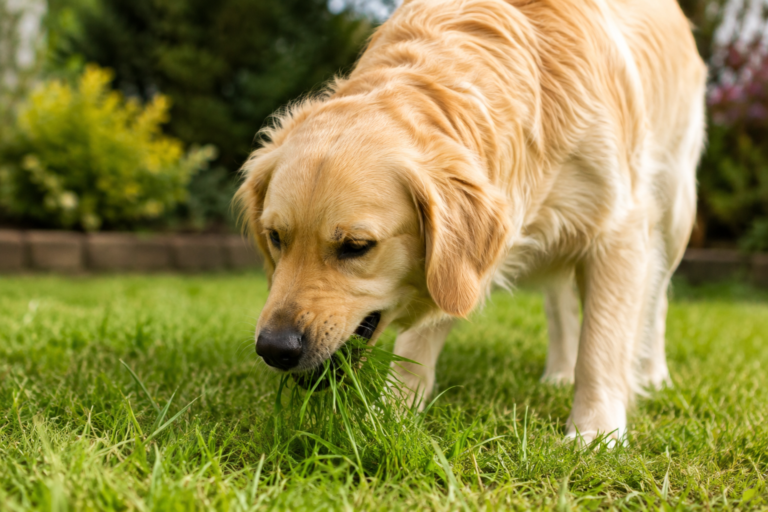
For most healthy adult dogs, eating a little plain, untreated grass now and then is normal behavior, not a crisis. Dogs have done it for thousands of years, long before kibble existed, and most vets see it as a common habit rather than a sign of illness. Grass itself is mostly water and fiber, with tiny amounts of vitamins and minerals. It is not toxic to dogs in its natural form, and a few mouthfuls will usually pass through without any trouble at all.
That does not mean grass is good for dogs in the way carrots or blueberries are good for them. Your dog does not need grass to stay healthy, and a dog that never eats grass is not missing out on anything important. The benefits, where they exist, are small: a bit of extra fiber, a bit of roughage that can help keep things moving, and the simple pleasure of grazing. Think of grass as a snack your dog enjoys, not a supplement you should be pushing on him.
Why Dogs Eat Grass in the First Place
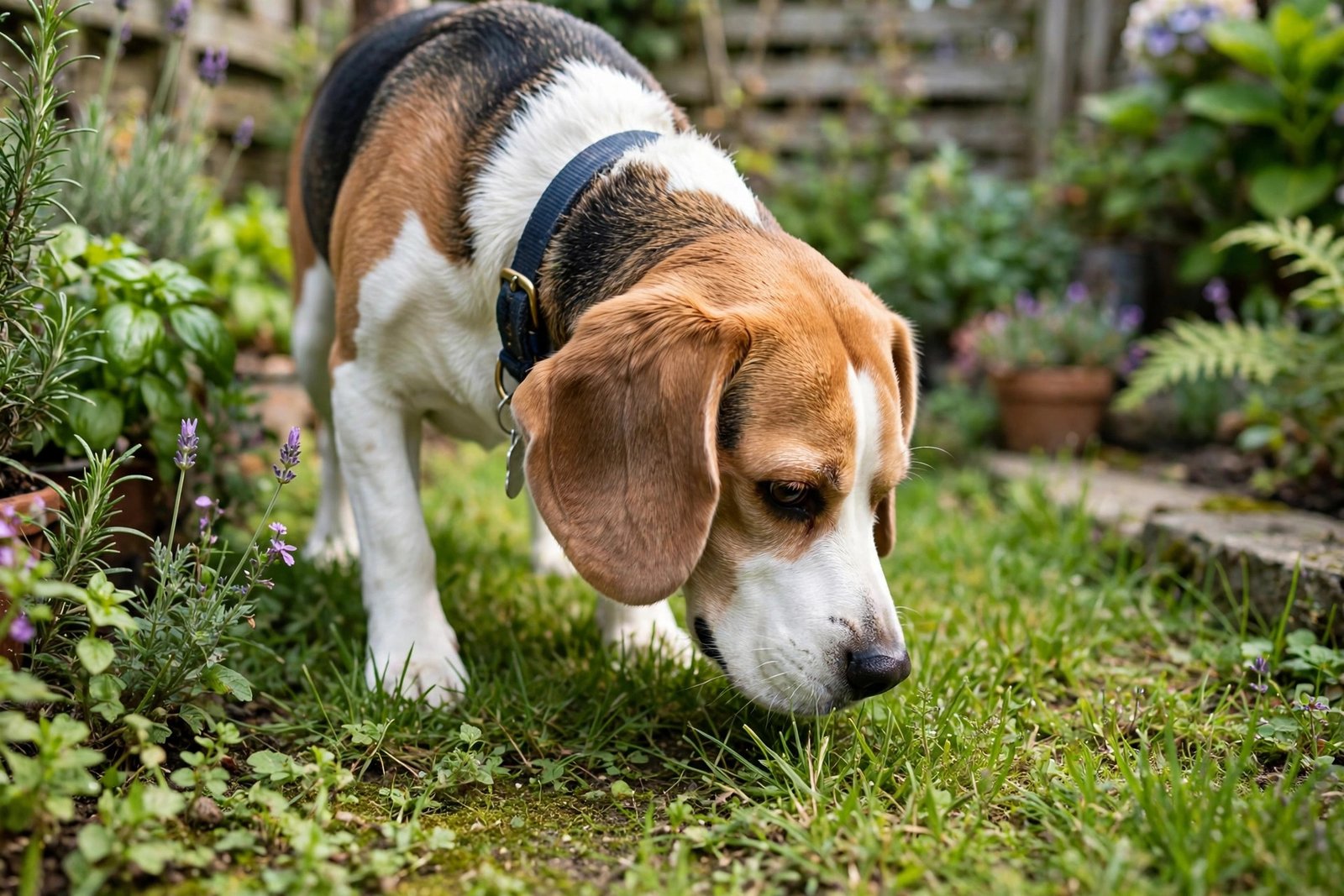
There is no single reason, and that is part of why the habit confuses owners. Some dogs seem to like the taste and the cool, crisp texture, especially fresh spring grass. Others graze out of habit, the same way some dogs always sniff the same corner of the fence on a walk. It can be a leftover instinct from their wild ancestors, who ate the stomach contents of prey animals and took in plant matter along the way.
Boredom plays a part too. A dog left alone in a garden all day with nothing to do may start grazing simply because it is there. The same goes for dogs that do not get enough walks or play. In those cases the grass eating is less about hunger and more about filling time, and extra play or a puzzle feeder often cuts it down a lot.
Then there is the old idea that dogs eat grass to make themselves sick. Research has not backed that up very well. Studies have found that most dogs that eat grass do not seem ill beforehand, and most of them do not vomit afterwards. A dog with a genuinely upset stomach may eat grass, but a dog eating grass is not automatically a dog with an upset stomach. That mix-up is why owners worry far more than they need to, most of the time.
What Grass Can Actually Offer a Dog
Looked at as food, grass is very light stuff. Its main gift is fiber. Fiber helps food move through the gut at a steady pace, and it can help firm up loose stools. A dog on a low-fiber diet may seek out grass for that roughage, which is one reason vets sometimes suggest checking what is in the food bowl before worrying about the lawn.
Grass also contains small amounts of folic acid, a B vitamin that helps the body build healthy cells. Some vets have suggested that dogs low in this vitamin may crave green plants. But a dog eating a complete, balanced dog food is very unlikely to be short of it, so this is not a reason to treat grass as medicine. The amount a dog gets from a few mouthfuls is tiny compared with what is already in his meals.
There is also a simpler benefit that has nothing to do with nutrition. Grazing is enrichment. Sniffing, choosing a blade, tearing it off, and chewing slowly gives a dog something to do with his nose and mouth, and that can be calming. Dogs that graze gently on a walk and then move on happily are usually just enjoying themselves, and there is no need to drag them away every single time.
When Grass Eating Is a Warning Sign
Most grass eating is harmless, but a change in the pattern is worth noticing. Call your vet if you see any of these signs:
- Your dog suddenly starts eating large amounts of grass every day.
- He eats it frantically, gulping it down rather than grazing calmly.
- He vomits often, has diarrhea, or goes off his food.
- He drools, paws at his mouth, or seems uncomfortable after grazing.
- He loses weight, seems tired, or has a sore belly.
- He has eaten grass from a lawn that was recently sprayed or fertilized.
Frequent vomiting after grass eating deserves attention on its own, because it can point to something other than the grass. If vomiting keeps happening, our guide on Eating Grass and Vomiting in Dogs explains the difference between an occasional upset stomach and a problem that needs a vet visit. And if you are ever unsure, the ASPCA dog care guidance is a good place to start reading before you call your clinic.
How to Make Grass Safer for Your Dog
The biggest risk from grass is not the grass itself, but what is on it. Weed killers, fertilizers, and pest sprays can be harmful if a dog eats treated grass or licks them off his paws later. If you treat your own lawn, keep your dog off it until the product label says it is safe, and wash his paws when he comes back inside. If you walk on other people’s lawns or public grass, you cannot know what has been sprayed, so watch for warning signs or freshly treated patches.
Roadside grass brings its own problems. It can carry exhaust dirt, litter, and waste from other animals, along with parasites. A quiet garden lawn or a clean park field is a much better grazing spot than the strip beside a busy road. It is also worth checking what else is growing mixed in with the grass. Some garden plants are toxic to dogs, and a dog pulling up mouthfuls of greenery can swallow more than plain grass by accident.
Puppies need a closer eye than adult dogs. They explore the world with their mouths, and they are more likely to eat a lot of grass at once or to pick up something harmful with it. Short, supervised garden time and a firm, calm redirection back to a toy usually does the trick while they learn.
Better Ways to Add Roughage to Your Dog’s Diet
If you think your dog is after fiber, there are safer and more reliable ways to give it to him than the lawn. A complete dog food already contains fiber, so the first step is simply checking that his meals suit his age, size, and activity level. Many owners are surprised to find that switching to a better-balanced food stops the grazing habit on its own.
For a healthy top-up, plain pumpkin puree, steamed green beans, carrot sticks, and apple slices without seeds are all gentle sources of fiber that dogs tend to enjoy. Keep portions small, introduce one new food at a time, and skip anything seasoned, sweetened, or cooked in butter. Fresh water matters too: a dog that always has clean water available is less likely to graze out of thirst on a hot day.

None of this needs to be complicated. A good food bowl, fresh water, daily walks, and a bit of play cover almost everything grass could offer, without the worry about sprays and parasites. You can find more everyday feeding help in our Dog category, where we cover meals, treats, and common feeding questions in plain language.
Watch: 3 Reasons Why Dogs Eat Grass
If you want a vet to walk through the main reasons in just a few minutes, this video is a clear and friendly place to start.
Is Grass Good for Dogs? At a Glance
| Grass situation | Safe or not | What to do |
|---|---|---|
| Plain, untreated lawn grass in small amounts | Usually harmless for healthy dogs | Allow occasional grazing and monitor the amount and frequency. |
| Lawn treated with weed killer or fertilizer | Avoid | Keep the dog off the area, follow the product label exactly, and seek veterinary advice if exposure occurs. |
| Roadside or heavily used public grass | Avoid where possible. | Choose a clean lawn instead, because roadside grass may carry pollutants, waste, and parasites. |
| Damp, long grass after rain | Use caution | Supervise grazing, check paws afterward, and keep routine parasite prevention current as advised by a veterinarian. |
| Puppies grazing outdoors | Supervise closely. | Redirect mouthing, provide safe chew toys and enrichment, and ask a veterinarian about age-appropriate guidance. |
Frequently Asked Questions
Why do dogs eat grass?
Dogs eat grass for several reasons, including taste and texture, habit, boredom, enrichment, and a possible interest in fiber. Grazing is common and, in small amounts on a clean, untreated lawn, is usually normal behavior. A sudden increase, frantic eating, or grazing paired with vomiting, diarrhea, or low energy should be checked by a veterinarian, because it may indicate a health or dietary issue.
How long should a dog stay off a treated lawn?
There is no single safe waiting time that applies to every product. Follow the treatment product label exactly, keep the dog off the treated area until the label permits access, and follow any instructions about watering, drying, or re-entry. If the label is unclear, if the dog has already been on the lawn, or if symptoms develop, contact a veterinarian promptly for advice specific to the product used.
Can puppies eat grass?
Puppies should be supervised closely around grass because they explore with their mouths and may swallow larger amounts, dirt, or objects. Occasional grazing on a clean, untreated lawn is often low risk, but puppies are more vulnerable to parasites and digestive upset. Redirect persistent grazing, provide safe chew toys and enrichment, and ask a veterinarian about parasite prevention and age-appropriate diet.
What should I do if my dog vomits after eating grass?
An isolated episode of vomiting after grazing, with a dog that quickly returns to normal eating, drinking, and activity, is often not an emergency, but it should still be monitored. Seek veterinary advice promptly for repeated vomiting, blood, diarrhea, abdominal pain, lethargy, loss of appetite, or vomiting after eating treated grass. Record how much grass was eaten and any other symptoms before calling.
What are safer fiber options than grass?
Safer fiber options include a complete, balanced dog food as the main diet, with small amounts of plain pumpkin puree, steamed green beans, carrot sticks, or seedless apple slices where appropriate. Introduce one new food at a time in a small portion and check tolerance. For dogs with digestive problems, weight concerns, or a medical condition, ask a veterinarian about the amount and type of fiber that fits the individual dog.
Conclusion
So, is grass good for dogs? A little plain, untreated grass is fine for most healthy dogs, and it may add a touch of fiber and a lot of simple pleasure. But it is not a health food, and it is no substitute for a balanced diet, fresh water, and regular vet care. The habit only becomes a worry when it is sudden, heavy, or paired with vomiting, diarrhea, or low energy.
Watch your dog, know what is on your lawn, and keep his meals and water bowl in good shape. Do that, and the odd mouthful of grass on a sunny walk is just one more small joy of dog ownership, not something to lose sleep over.
This article shares general information only. It is not veterinary advice. If your dog eats grass often, vomits, or seems unwell, please talk to your veterinarian for advice about your own dog.

MyPetsCreature is a trusted digital resource dedicated to providing well-researched, human-centric insights into pet care, health, and behavior. Our team of passionate pet enthusiasts delivers reliable advice, comprehensive guides, and essential tips to help pet parents worldwide ensure the well-being and happiness of their companion animals.






One Comment