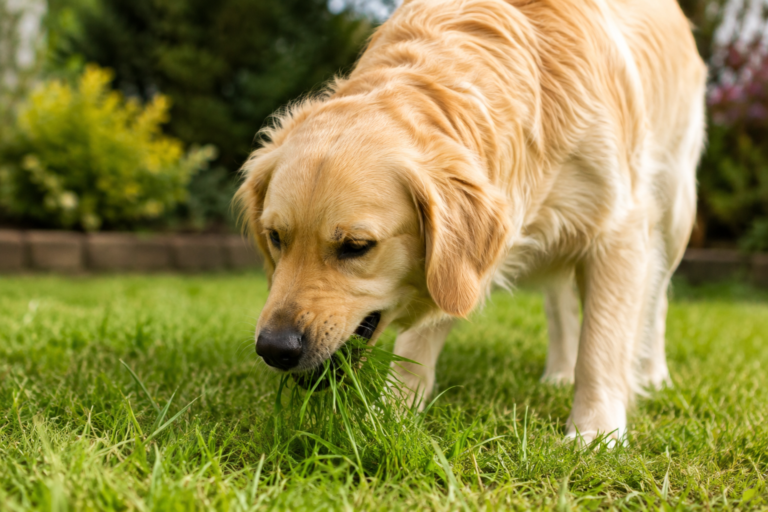
Chocolate Toxic to Dogs by Weight: What Owners Should Know
Chocolate toxic to dogs by weight depends on three factors: the type of chocolate, the amount eaten, and the dog’s weight. The same amount gives a small dog a much larger dose, relative to body weight, than a large dog.
This guide explains what is in chocolate, how type and weight change risk, the signs to watch for, and what to do first. It is general information, not vet advice. If your dog has already eaten chocolate, call a vet or an animal poison service right away.
Table of Contents
- What Is Chocolate?
- Chocolate Toxic to Dogs by Weight: Why Size Changes the Risk
- Chocolate Toxic to Dogs by Weight: Types Compared
- Why Dogs Eat Chocolate
- Signs to Watch After Eating Chocolate
- Safe Treats and Daily Prevention
- Getting Vet Help in the USA
- Frequently Asked Questions
What Is Chocolate?
Chocolate comes from cacao beans, processed into cocoa, chocolate liquor, and the bars and baking products we buy. People have enjoyed it for centuries in drinks, bars, and desserts. Dark, milk, and white chocolate differ in how much cocoa they hold, and that difference matters a lot for dogs. That mix is why chocolate toxic to dogs by weight starts with type, not just amount.
A People Treat, Not a Dog Treat
Chocolate should never be offered to dogs as a treat. Dogs do not need it for nutrition, and no real chocolate treat is safe for them. Products sold as dog-safe chocolate alternatives are usually made without the harmful substances, but real chocolate of any type should stay away from dogs.
For stomach trouble after eating something odd, see the guide Eating Grass and Vomiting in Dogs. More dog guides are in the Dog category.
Why Chocolate Is Everywhere
Bars, cookies, cakes, hot chocolate, and advent calendars sit around homes all year, and even more at holidays and birthdays. Knowing which types worry vets most helps you judge urgency, but any chocolate eaten still deserves a vet call.
Chocolate Toxic to Dogs by Weight: Why Size Changes the Risk
Chocolate holds theobromine and caffeine, which dogs break down much more slowly than people do. As those substances build up, they can affect the heart, nervous system, and gut. The amount of theobromine varies by type, which is why dark and baking chocolate worry vets more than milk chocolate. That means chocolate toxic to dogs by weight is measured against the dog, not just against the bar.
Weight in Plain Terms
The same piece of chocolate is a bigger dose, relative to body weight, in a small dog than in a large one. A bit that causes mild stomach upset in a big dog can cause worse signs in a small dog. That is why a vet will always ask how much your dog weighs when you call.
Other Factors That Change Risk
Along with weight and type, the amount eaten, your dog’s age, and any heart or other health problems can shift the risk. Puppies, senior dogs, and dogs with heart conditions may be more vulnerable. When you are unsure, treat it as urgent and get advice rather than waiting for signs. All of that fits chocolate toxic to dogs by weight: weight is one part, type and amount are the others.
Chocolate Toxic to Dogs by Weight: Types Compared
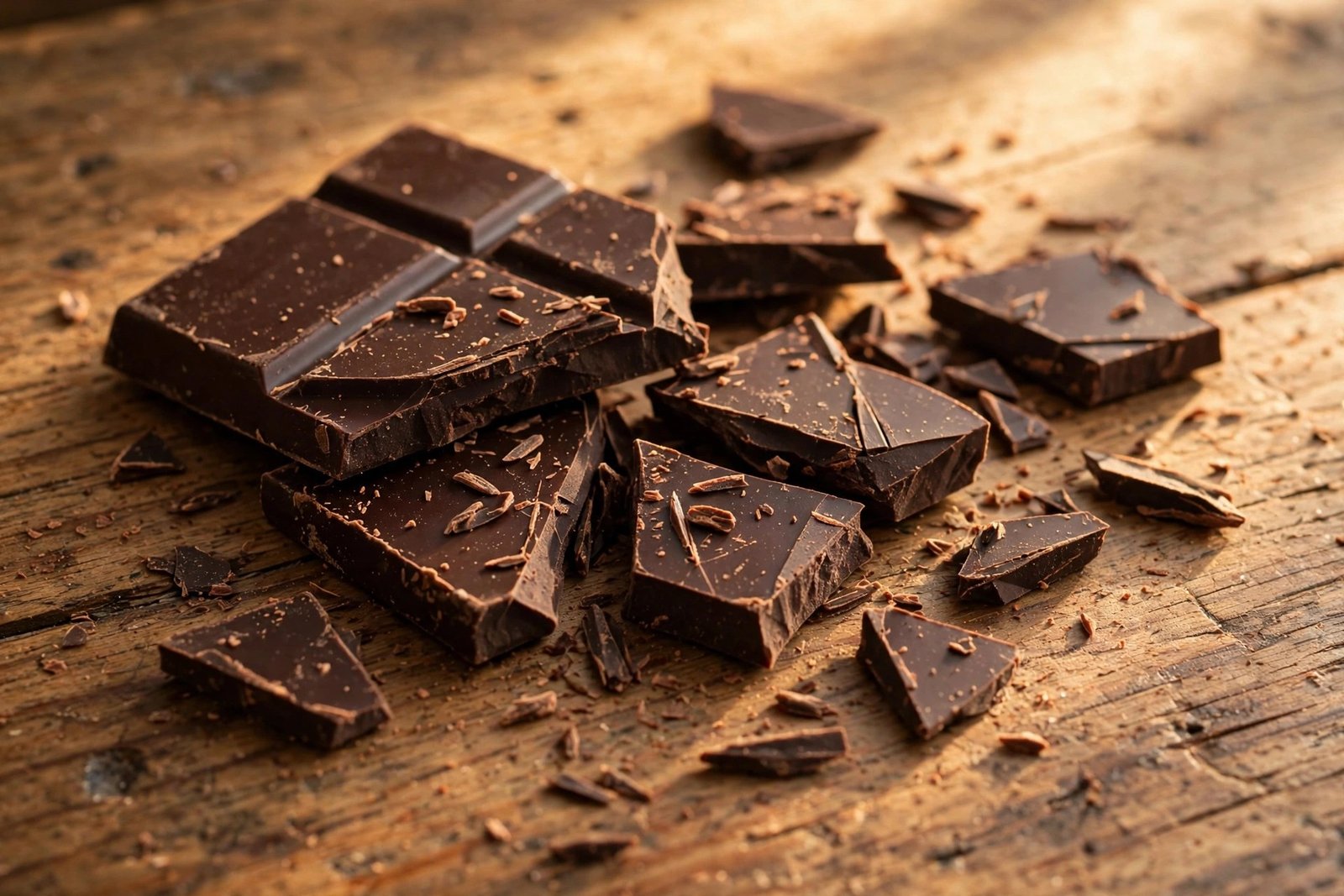
Dark chocolate and unsweetened baking chocolate generally hold the most theobromine, milk chocolate holds less, and white chocolate holds very little. White chocolate still is not dog food, and its fat and sugar can upset a stomach. Cocoa powder, chocolate chips, and chocolate-covered foods should also stay away from dogs. For chocolate toxic to dogs by weight, type and amount have to be read together, not on their own.
Hidden Chocolate Sources
Check cookies, brownies, cakes, muffins, chocolate milk, hot chocolate mix, and chocolate-covered raisins or nuts, which stack two risks for dogs. Even a small amount in a baked good is worth reporting to a vet, because the type and amount may not be clear from the label alone. That is another place chocolate toxic to dogs by weight shows up, because a baked good hides both type and amount.
| Chocolate type | Approximate theobromine (methylxanthines) per ounce | General concern for dogs | Common sources |
|---|---|---|---|
| Cocoa powder | 807 mg/oz | Highest concern | Cocoa powder |
| Baking chocolate | 440 mg/oz | Highest concern | Baking squares |
| Dark chocolate | 150–160 mg/oz | High concern | Dark bars, dark chips |
| Milk chocolate | 64 mg/oz | Moderate concern, still risky | Milk bars, milk chips |
| White chocolate | 1.1 mg/oz | Lower concern, not dog-safe | White bars, white chips |
| Chocolate treats | Varies | Depends on type and amount | Cookies, cakes, brownies |
Worked Examples: How Amount and Weight Change Concern
Call your vet or an animal poison service right away if your dog eats chocolate. Do not wait for signs.
The examples below are illustrative only, not safe amounts, and actual figures vary by product. They use the table above and the AKC bands of about 20 mg of methylxanthines per kilogram of body weight for mild signs, 40 to 50 mg/kg for heart signs, and more than 60 mg/kg for seizures.
Example 1: A 10-pound dog (about 4.5 kg) eats a 1.55-ounce milk chocolate bar. At 64 mg per ounce, that is about 99 mg of methylxanthines, or about 22 mg/kg, which sits near the AKC mild-sign band.
The same bar in a 50-pound dog (about 22.7 kg) is about 4 mg/kg, far lower, yet still worth a vet call.
Example 2: A 10-pound dog eats 1 ounce of baking chocolate. At 440 mg per ounce, that is about 97 mg/kg, above the AKC seizure band of more than 60 mg/kg.
The same ounce in a 50-pound dog is about 19 mg/kg, near the mild-sign band. Type alone changes the picture.
Example 3: A 10-pound dog eats 1 ounce of dark chocolate. At 150 to 160 mg per ounce, that is about 33 to 35 mg/kg, between the mild-sign and heart-sign bands. The same ounce of milk chocolate is about 14 mg/kg.
Again, call your vet or an animal poison service right away, and do not wait for signs.
Sources for the figures above: Merck Veterinary Manual, AKC, and Pet Poison Helpline. The Merck figures are methylxanthines (theobromine plus caffeine, mostly theobromine), not theobromine alone, and exact amounts vary with the cocoa used.
Why Dogs Eat Chocolate
Smell, sweetness, and fat pull dogs in, and they will take chocolate from counters, tables, bags, trash, or a child’s hand. Counter surfing, scavenging, and begging are normal dog habits, but they raise the chance of eating something unsafe. Once they find it, chocolate toxic to dogs by weight is already in play, because a small dog needs far less to be in trouble.
Risk Moments
Holidays, parties, school snacks, and baking days leave chocolate out or within reach. Dogs can also open low cabinets, tear open bags, or find chocolate on walks. Storing it high, in closed containers, cuts those chances down.
Teaching a Safer Response
A steady “leave it” cue helps, as does rewarding a dog for turning away and coming to you for a proper treat. Keep sessions short. If your dog has already eaten chocolate, skip the training and call for help first.
Signs to Watch After Eating Chocolate
Vomiting, diarrhea, restlessness, more thirst, panting, a fast heartbeat, trembling, and, in serious cases, seizures can follow chocolate eating. Signs may show within a few hours, but timing varies with amount and type.
A dog that seems fine at first still needs vet advice, and chocolate toxic to dogs by weight is the reason a small dog can go from fine to unwell faster than you expect.
What Vets Usually Do
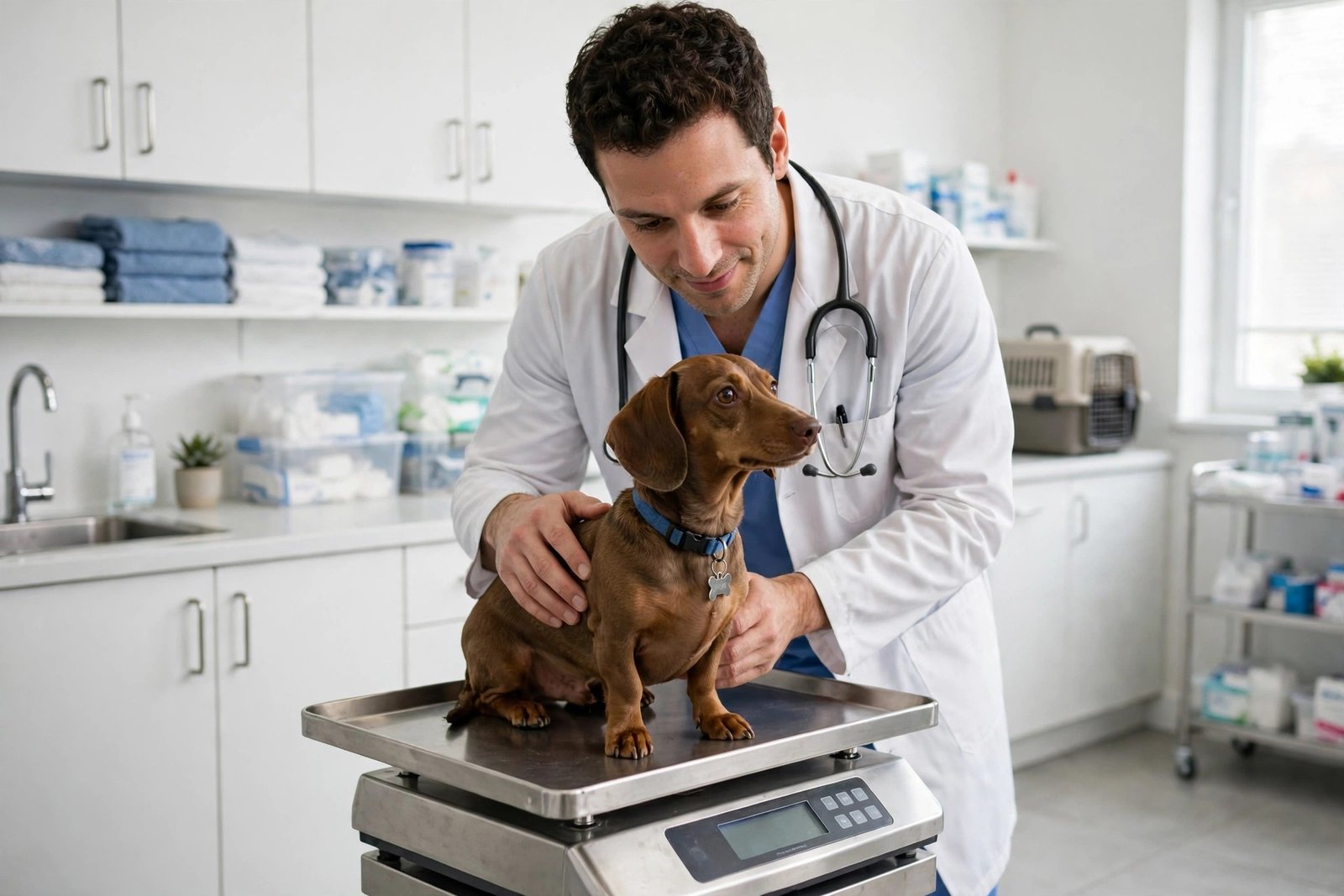
A vet will ask what type was eaten, how much, when, and your dog’s weight, then examine your dog and may monitor heart rate. Care depends on timing and condition, and can include vomiting induced only by the vet, activated charcoal in some cases, fluids, and monitoring.
Do not try to make your dog vomit at home unless a vet tells you to. They work from chocolate toxic to dogs by weight, plus timing and signs, to decide on care.
Information to Have Ready
Note the chocolate type, brand, amount eaten, time, your dog’s weight and age, and any signs so far. Bring packaging or a photo of the label if you can. That saves back-and-forth when you are on the phone with a clinic or helpline.
Safe Treats and Daily Prevention
A complete dog food made for your dog’s age covers the nutrition side, with no chocolate needed. Dog-specific treats work for most dogs, and any new food is best added slowly, watching for stomach upset. Your vet can point to options that suit your dog’s age, weight, and health. That keeps chocolate toxic to dogs by weight out of daily feeding altogether.
Safe Home Habits
Store chocolate, cocoa powder, and baked goods in closed containers and high cabinets, pick up dropped food straight after meals, and tell kids and guests not to share chocolate with the dog.
Use a bin with a secure lid, and check the floor after meals, parties, and holidays. A short list of unsafe foods on the fridge, next to your vet’s number and a poison helpline number, saves time when it matters.
Getting Vet Help in the USA
During office hours, start with your own vet. After hours, use an emergency vet clinic. Animal poison helplines can talk you through it by phone and will ask for your dog’s weight, the chocolate type, and the amount eaten.
Keep your dog calm, do not offer food or water unless advised, and do not wait for signs to show. A helpline will use chocolate toxic to dogs by weight to judge urgency, so have your dog’s weight ready. For a clear vet-backed overview, see AKC on chocolate poisoning in dogs.
What to Do After Your Dog Eats Chocolate
- Stay calm and remove any remaining chocolate or packaging from your dog’s reach.
- Note the chocolate type, amount eaten, time, and your dog’s weight.
- Call your veterinarian, an emergency clinic, or an animal poison helpline right away.
- Follow their advice exactly, including whether to bring your dog in immediately.
- Do not induce vomiting or give home remedies unless a veterinarian tells you to.
- Bring packaging, a photo of the label, and your dog’s health records if you go to a clinic.
- Watch for vomiting, restlessness, panting, or trembling, and report them promptly.
Frequently Asked Questions
Q1: Can dogs eat a little milk chocolate?
No. Chocolate is not safe for dogs, and any amount deserves vet advice, especially for small dogs or dark chocolate, because chocolate toxic to dogs by weight hits small dogs harder. Milk chocolate still holds theobromine, so even a small piece is worth a vet call. Tell the vet the type, the amount, and your dog’s weight, and watch for vomiting, restlessness, or panting while you wait for advice.
Q2: Is dark chocolate worse than milk chocolate?
Yes. Dark chocolate and baking chocolate generally hold more theobromine than milk chocolate, so they are more concerning, and chocolate toxic to dogs by weight explains why the same bar is worse for a small dog.
Baking chocolate sits at the top of the scale, dark chocolate sits below it, and milk chocolate sits lower still. Check the label for cocoa content when you can, and call your vet with the type and amount eaten.
Q3: Does my dog’s weight really matter?
Yes. With chocolate toxic to dogs by weight, the same amount is a larger dose, relative to body weight, in a small dog than in a large dog. A 10-pound dog and a 60-pound dog face very different doses from the same bar, so weight is the first number a vet asks for. Keep a rough weight on hand, and note the chocolate type and amount with it.
Q4: What if my dog ate chocolate hours ago?
Contact a vet right away, even if your dog seems fine, because signs can develop over several hours. With chocolate toxic to dogs by weight, a small dog should not just be watched at home without vet advice.
Signs can take hours to show, and a dog that looks fine can still get worse later. Keep your dog calm, note the time and amount eaten, and follow the vet’s advice on checks or a clinic visit.
Q5: Should I induce vomiting at home?
No, only if a vet advises it, because home methods can cause harm or delay proper care. Home methods can burn the throat, cause choking, or delay the care that actually helps. Call your vet, an emergency clinic, or a poison helpline first, and only act on their exact advice.
Q6: Is white chocolate safe for dogs?
No. White chocolate is not suitable dog food, and it can still cause stomach upset from fat and sugar. White chocolate holds very little theobromine, but its fat and sugar can still upset a stomach, especially in small dogs. Keep white bars, chips, and baked goods with white chocolate out of reach, and call your vet if any is eaten.
Q7: Are dog-safe chocolate treats real chocolate?
No. Dog-safe alternatives are usually made without theobromine, but real chocolate of any type should stay away from dogs. These treats use carob or other chocolate-free flavors, so they look and taste close to chocolate without theobromine. Check the label to confirm the treat is made for dogs, and keep real chocolate of every type out of reach.
Conclusion
Chocolate and dogs do not mix, and weight, type, and amount together set how urgent the situation is. That is chocolate toxic to dogs by weight in plain terms: a small dog, strong chocolate, and a large amount is the worst mix. Store chocolate safely, tell everyone in the house the rule, and if an accident happens, call straight away.
For stomach-related signs, read the guide Eating Grass and Vomiting in Dogs, then browse the Dog category for more dog health guides from MyPetsCreature.

MyPetsCreature is a trusted digital resource dedicated to providing well-researched, human-centric insights into pet care, health, and behavior. Our team of passionate pet enthusiasts delivers reliable advice, comprehensive guides, and essential tips to help pet parents worldwide ensure the well-being and happiness of their companion animals.