
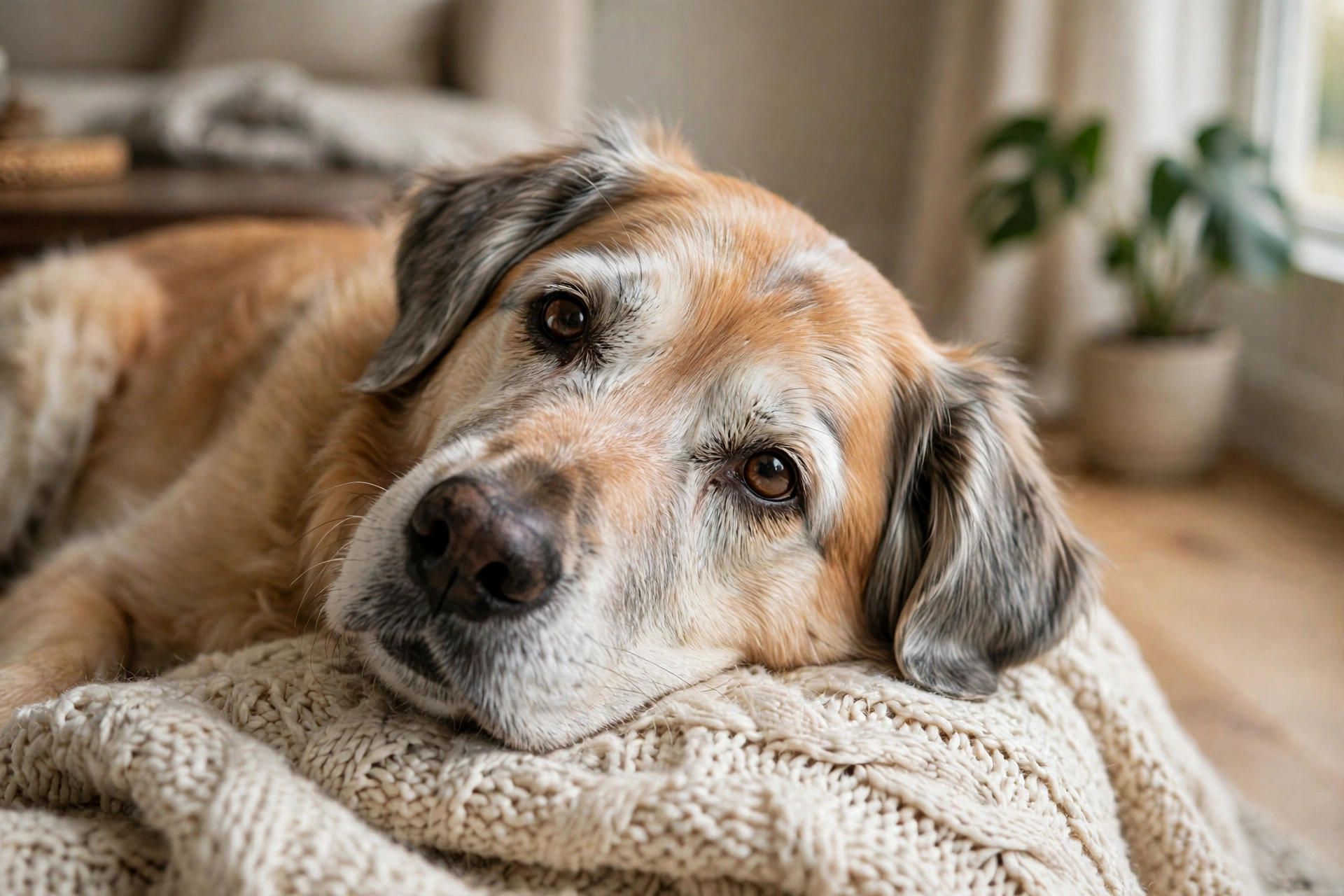
Idiopathic Vestibular Disease in Dogs: Care Guide
Idiopathic vestibular disease in dogs can turn a calm morning into a frightening one. Your dog may lean to one side, stumble, or hold a head tilt, and you may worry that a stroke has happened. This guide explains what the idiopathic form means, which signs need prompt vet care, and how you can support your dog at home.
This article gives general information only. It does not replace vet advice, and it does not diagnose your dog. If signs start suddenly, contact your vet the same day, even when your dog seems calm between episodes.
Table of Contents
- What Idiopathic Vestibular Disease Means
- Signs to Watch For
- How It Differs From Other Causes
- How Vets Narrow Down the Cause
- Home Care While Your Dog Recovers
- What Recovery May Look Like
- When to Seek Urgent Vet Care
- Watch: Vestibular Disease in Dogs Explained
- Idiopathic Vestibular Disease at a Glance
- Frequently Asked Questions
What Idiopathic Vestibular Disease Means
The vestibular system helps your dog sense balance and head position. It links the inner ear, nerves, and brain, so a fault in this system can change how your dog walks, stands, and moves the eyes.
Vets use the word idiopathic when tests do not point to one clear cause. In plain terms, the balance system stops working as it should, but vets find no ear infection, tumor, injury, or other single trigger to explain the change.
This form often affects older dogs, and many owners first notice it as old dog vestibular syndrome. Age alone does not prove the idiopathic form, so a vet still needs to rule out other causes before you treat the signs as idiopathic.
Why the Name Matters
The name guides next steps. When vets call a case idiopathic, they focus on comfort, safety, and watchful follow-up rather than treating a known infection or growth. When they find another cause, treatment changes, so a correct label matters more than a quick label.
Vets also divide vestibular problems into peripheral and central types. Peripheral problems sit in the inner ear or its nerve, while central problems sit in the brain or brainstem. Idiopathic cases most often follow a peripheral pattern, but only a vet exam can place a case in the right group.
Signs to Watch For
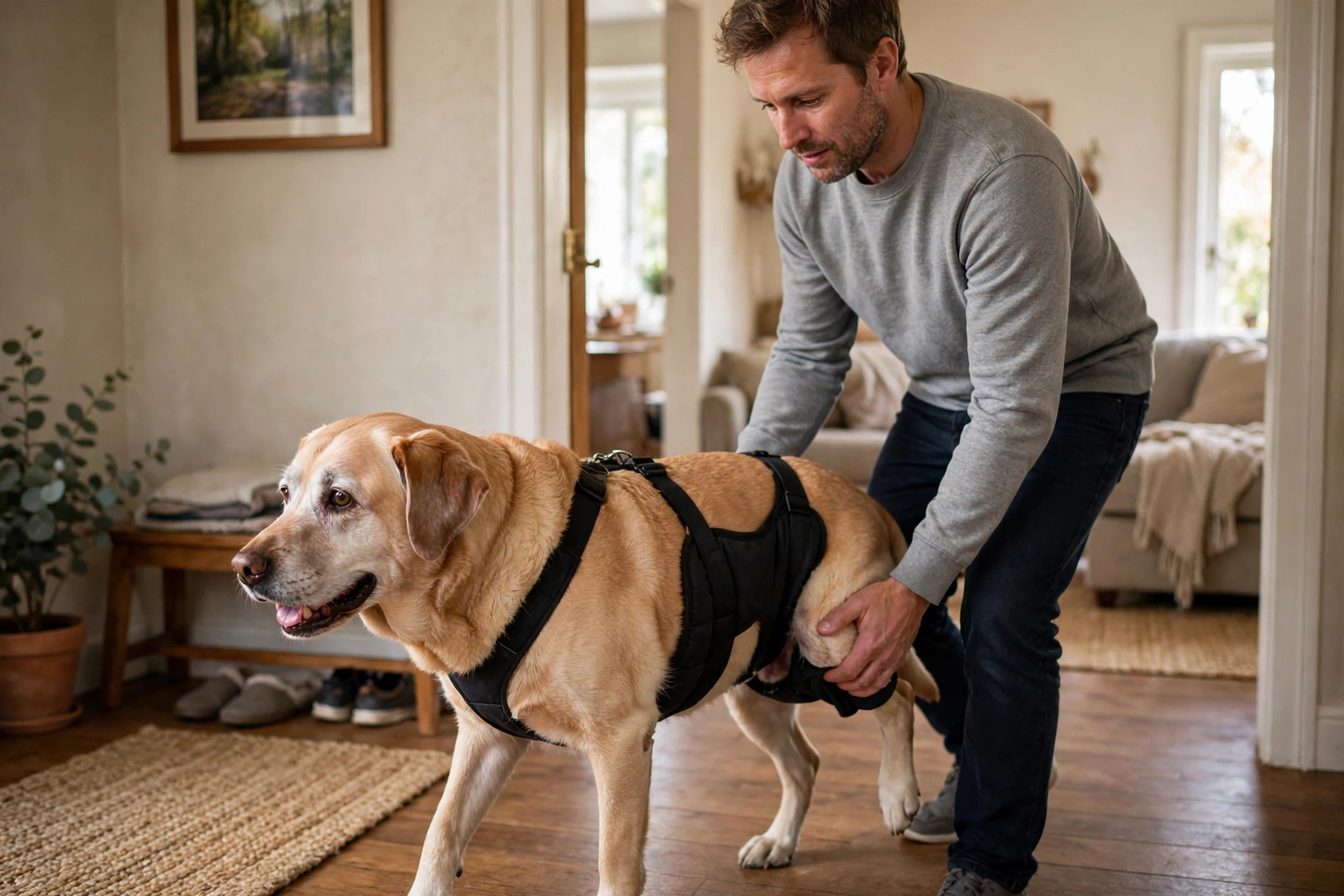
Signs often start fast and look worse than they feel to an owner watching them. Your dog may still eat, respond to your voice, and seek rest, even while balance looks poor.
- Head tilt to one side
- Stumbling, leaning, circling, or falling
- Rapid, rhythmic eye movement, called nystagmus
- Nausea, drooling, or loss of appetite
- Wide stance or trouble standing
- Disorientation or anxiety in new positions
Watch how signs change over hours, not only at one moment. Note when they started, which side your dog leans toward, whether your dog can stand with help, and whether vomiting or refusal to drink has started. These notes help your vet judge urgency and track change.
How It Differs From Other Causes
Idiopathic disease shares signs with other balance problems, so signs alone cannot settle the cause. Ear infections can cause pain, head shaking, odor, or discharge. A stroke or brain problem can bring weakness, seizures, or changes in awareness that go beyond balance alone. A sudden injury or toxin exposure also needs a different response.
Do not try to sort these causes at home. A vet exam, ear check, and, when needed, blood tests or imaging can narrow the list. If your dog cannot stand, vomits repeatedly, seems weak on one side, or loses awareness, seek urgent care right away.
For a wider look at signs across all forms, see our vestibular disease symptoms and treatment guide. For recovery steps after the first days, see our guide to how long vestibular recovery takes.
How Vets Narrow Down the Cause
A vet visit often starts with a full history and a hands-on exam. Your vet checks the ears, eyes, gait, reflexes, and posture, and asks about recent illness, ear problems, medicines, falls, and changes in eating or drinking.
Vets may check blood work to look for illness that can affect balance, examine the ear canal, or refer your dog for imaging when signs point to a central problem. They may also suggest a neurology referral when signs do not fit a simple peripheral pattern.
Your vet may offer medicine for nausea or dizziness while you wait for results, plus fluids when vomiting or poor drinking has caused dehydration. Follow the dose and timing your vet gives, and ask before you add any supplement or over-the-counter product.
The American Kennel Club also outlines common signs and vet checks in its guide to vestibular disease in dogs.
Home Care While Your Dog Recovers
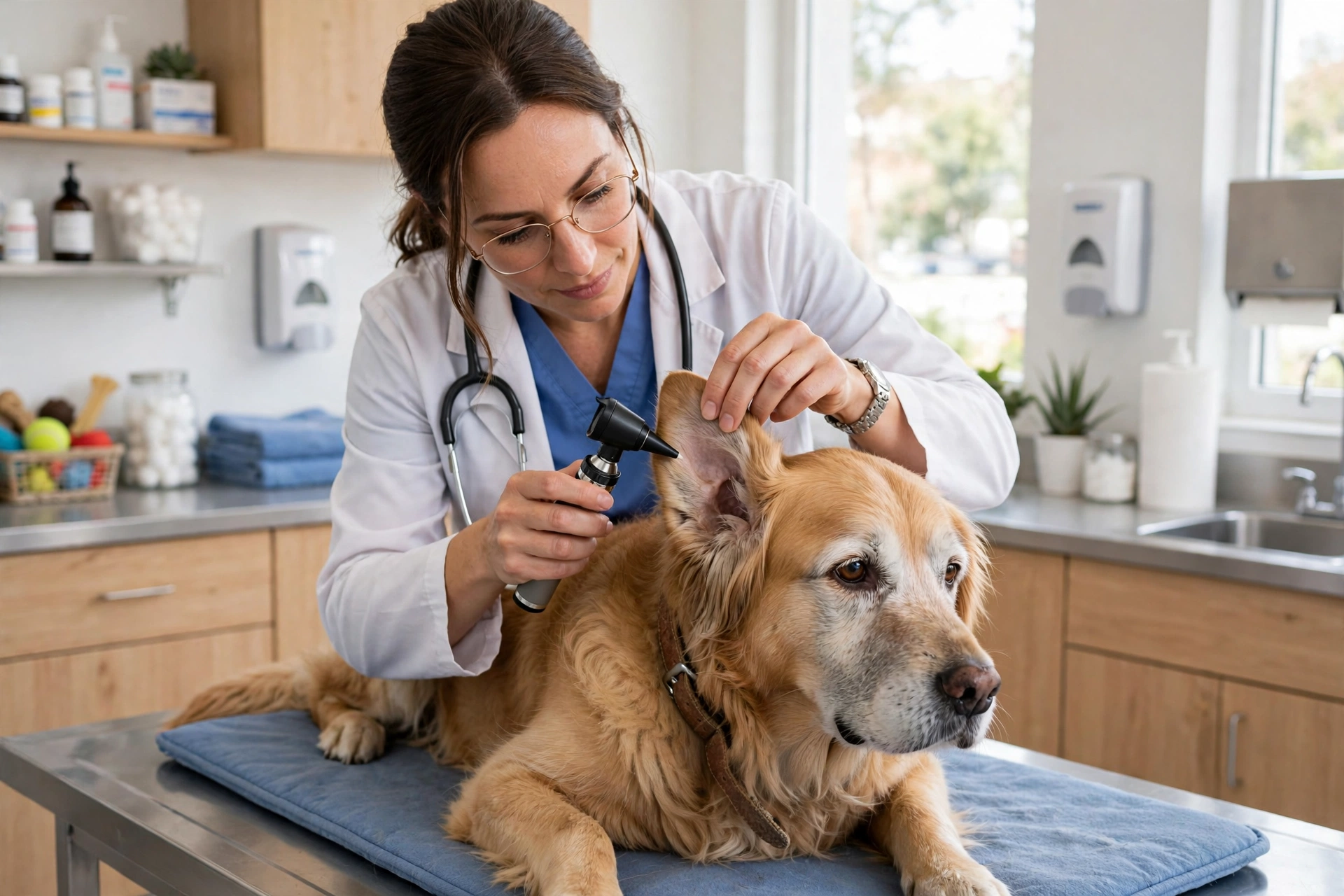
Keep your dog in a quiet room with a non-slip floor, a low bed, and water close by. Block stairs, sharp corners, and slippery halls, and use a harness or towel sling under the belly when your dog needs help to stand or walk outside.
Offer small, frequent meals and fresh water, and keep food and water bowls at a height your dog can reach without strain. If nausea limits eating, ask your vet about bland, easy options and how long to wait before you worry about a missed meal.
Help your dog outside on a short lead, stay close, and bring your dog back inside before fatigue sets in. Short, calm outings lower fall risk and give your dog a chance to toilet without stress. Keep other pets calm and give your dog rest between outings.
Some dogs feel unsettled at night, so keep a low light on, keep the bed in the same place, and speak in a calm voice when you guide your dog to water or outside. A steady routine helps your dog learn where the bed, bowls, and door sit, even when balance still feels strange.
- Keep lights on at night
- Lift, do not drag, a dog that cannot stand
- Clean up vomit promptly and check skin for sores from lying down
- Keep a simple log of appetite, water, walking, and sleep
What Recovery May Look Like
Recovery looks different from dog to dog, so use ranges only as a rough guide. Many dogs show small gains in the first few days, such as steadier standing or less nausea, while a head tilt or mild wobble can last longer. Some dogs need a few weeks before walking feels close to normal, and a slight head tilt may remain.
Setbacks can happen after a good day, and tiredness, stress, or a slippery floor can make walking look worse for a short time. Track the trend over several days rather than one outing, and contact your vet when progress stalls, reverses, or brings new signs.
Do not rush stairs, off-lead walks, or long outings until your vet agrees your dog can manage them safely. Gentle, short movement at home often helps more than long walks in the first phase, and rest still matters between activity.
Because this form often affects older dogs, our senior dog care guide can help you plan comfort, mobility, and daily routines during recovery.
When to Seek Urgent Vet Care
Call your vet at once when your dog cannot stand at all, vomits again and again, refuses water, has a seizure, shows weakness on one side, or seems unaware of you. Seek urgent care when breathing looks hard, gums look pale, or your dog collapses.
If you feel unsure, call sooner rather than later. A short phone call can help your vet decide whether your dog needs same-day care, an emergency visit, or close watch at home with a recheck plan.
Watch: Vestibular Disease in Dogs Explained
This short video from Southeast Veterinary Neurology explains vestibular disease, its signs, and how vets assess it. Use it as background only, and follow your own vet for advice about your dog.
Idiopathic Vestibular Disease at a Glance
| Possible cause | What it means | Clues owners may notice | Usual vet focus |
|---|---|---|---|
| Idiopathic | No single cause found | Head tilt, stumbling, eye movement | Supportive care, safety, and follow-up |
| Ear infection | Infection in the middle or inner ear | Pain, head shaking, odor, or discharge may appear | Vet exam and treatment for the infection |
| Central or brain cause | Problem in the brain or brainstem | Weakness, seizure, or awareness change may appear | Urgent vet assessment; imaging may be needed |
Frequently Asked Questions
What is idiopathic vestibular disease in dogs?
It is a balance disorder with no single cause that vets can find after checks. The inner ear and balance nerves send mixed signals, so a dog may tilt its head, stumble, or show rapid eye movement. Vets use the term idiopathic only after they rule out other likely causes.
Is idiopathic vestibular disease the same as a stroke?
No, but signs can look alike, which is why a vet check matters. A stroke affects blood flow in the brain and may bring weakness or awareness changes beyond balance. Idiopathic vestibular disease affects the balance system, and many dogs show no weakness outside balance and nausea.
Can dogs recover from idiopathic vestibular disease?
Many dogs improve with time, supportive care, and vet follow-up, but recovery varies. Some dogs regain steady walking in a few weeks, while others keep a slight head tilt. Your vet can judge progress at rechecks and adjust care when needed.
What should I do first when signs start?
Stay calm, keep your dog safe from falls, and contact your vet the same day. Note when signs started and whether your dog can stand, eat, and drink. Do not give human medicine or start a new supplement before your vet advises it.
Does my dog need medicine?
Some dogs need medicine for nausea or dizziness for a short period, and your vet may treat dehydration with fluids. Not every dog needs the same plan, so use only the medicine, dose, and timing your vet prescribes for your dog.
Can idiopathic vestibular disease come back?
It can return in some dogs, so watch for a new head tilt, stumbling, or eye movement after recovery. Keep vet records handy, note the date and signs, and contact your vet promptly when signs return rather than waiting to see if they pass.
Conclusion
Idiopathic vestibular disease in dogs can look alarming, yet a calm, steady plan helps you and your dog through the first days. A prompt vet check rules out other causes, home safety lowers fall risk, and short, gentle routines support steady progress.
Watch the trend, keep notes for your vet, and ask for help when signs worsen or progress stalls. With patience and vet guidance, many owners can give an older dog comfort, safety, and a clearer path back to daily life.

MyPetsCreature is a trusted digital resource dedicated to providing well-researched, human-centric insights into pet care, health, and behavior. Our team of passionate pet enthusiasts delivers reliable advice, comprehensive guides, and essential tips to help pet parents worldwide ensure the well-being and happiness of their companion animals.




One Comment