
Old Dog Vestibular Disease: Signs, Care, and Recovery
Old dog vestibular disease affects the balance system of a senior dog and can cause a sudden head tilt, wobbling, circling, or trouble standing. The change often looks alarming, and many owners first fear a stroke. This guide explains why older dogs face this problem, what signs to watch, how a vet check helps, and how you can support recovery and safety at home.
This article gives general information only. It does not replace veterinary advice for your dog. If your senior dog shows a sudden head tilt, circling, vomiting, or collapse, contact a vet right away. Do not wait to see if the signs pass on their own, and keep your dog away from stairs, pools, and sharp edges while you seek help.
Table of Contents
- What Old Dog Vestibular Disease Means
- Why Older Dogs Are More Affected
- Signs to Watch in a Senior Dog
- What a Vet Check May Involve
- Recovery Support for Senior Dogs
- Home Safety for Senior Dogs
- Food, Water, and Daily Routines
- Senior Dog Support Needs at a Glance
- Frequently Asked Questions
What Old Dog Vestibular Disease Means
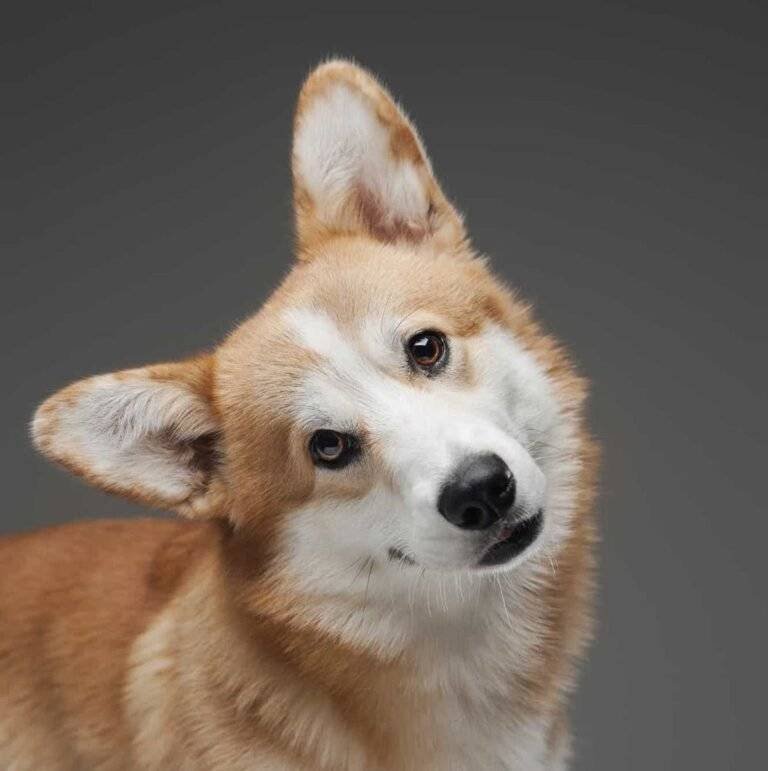
The vestibular system helps a dog sense balance, head position, and movement. It includes parts of the inner ear and the brain. When this system stops working well, a dog can feel dizzy, lose balance, and tilt the head to one side. The eyes may also move back and forth in a rapid, repeated way.
Vets use the term vestibular disease for a group of problems, not one single cause. Some cases involve the inner ear. Others involve the brain or nerves that link the ear and brain. In many older dogs, a vet cannot find one clear cause, and vets call this idiopathic vestibular disease. That term means the cause stays unknown after a check. You can read more about the wider topic in our guide to vestibular disease in dogs.
Why Older Dogs Are More Affected
Old dog vestibular disease shows up most often in senior dogs, and age brings changes that raise risk and shape recovery. The inner ear can change with age. Nerve signals can slow. Muscle strength can drop. Joints can stiffen. Together, these changes leave less room for error when balance fails. An older dog may already have stiff joints, weaker muscles, poorer hearing, or poorer sight, and those changes can make balance loss harder to handle.
Age-related changes in the balance system
The inner ear holds tiny structures that sense movement and head position. Age can change how well these structures work. A senior dog may also have an ear infection or a growth in the ear canal that adds pressure or pain near the balance system. A vet can check the ears, test reflexes, and look for signs that point to the ear, the brain, or another cause.
Other age-related problems can look like balance loss or make it worse. Arthritis can make a dog walk with a stiff, uneven gait. Weak hind legs can make a dog sway or fall. Poor sight can make a dog misjudge steps and doorways. Tell the vet about changes in walking, sight, hearing, appetite, sleep, and toilet habits, so the vet sees the full picture.
Other health problems that make balance harder
Senior dogs often live with more than one health issue at a time. Kidney disease, heart disease, thyroid problems, and diabetes can affect strength, appetite, and energy. Medicines for these problems can also affect balance or cause nausea in some dogs. Bring a list of all medicines, supplements, and recent dose changes to the vet visit. Extra weight also puts more load on weak joints. Do not start a new supplement or medicine for balance without vet advice.
Signs to Watch in a Senior Dog
Signs often start fast. A dog that walked fine in the morning may tilt its head, lean to one side, or fall in the afternoon. Watch for these signs in a senior dog:
- A head tilt that stays to one side
- Wobbling, leaning, falling, or walking in circles
- Rapid eye movement from side to side or up and down
- Nausea, drooling, or vomiting
- Refusal to eat or drink, or trouble keeping food down
- Confusion, staring, or trouble finding a familiar door
- Weakness in the legs, or an inability to stand
Seek urgent vet care for a sudden head tilt, circling, vomiting, or collapse. These signs can also point to a stroke, a brain problem, a severe ear problem, or poisoning. Only a vet exam can sort out the cause. Note when the signs started, which side the dog leans toward, and whether vomiting or a fall happened. If your dog collapses, cannot stand, vomits repeatedly, or shows trouble breathing, treat it as an emergency and contact a vet or an emergency clinic at once.
What a Vet Check May Involve
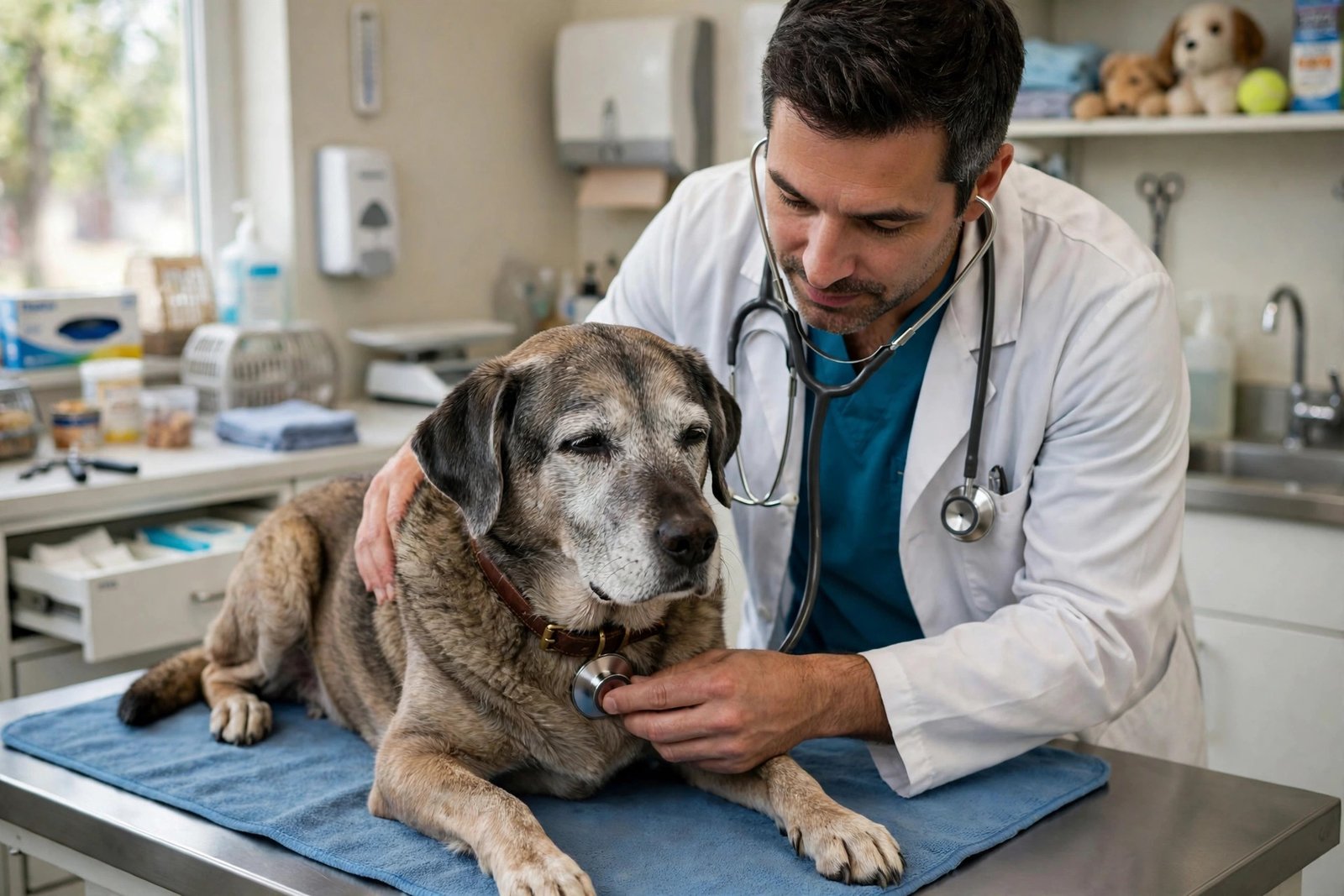
A vet will start with a history and a hands-on exam. Expect questions about when signs started, recent ear problems, falls, medicines, appetite, and changes in walking or behaviour. The vet will watch how your dog stands, walks, and moves its eyes. The vet will also check the ears, mouth, heart, and lungs, and test reflexes and nerve responses.
Tests depend on what the exam shows. A vet may check blood work, blood pressure, or ear samples. Imaging, such as an MRI or CT scan, may help when the vet suspects a brain problem or a growth, but not every dog needs advanced imaging. Treatment also depends on the cause. Some dogs need treatment for an ear infection. Some need fluids or anti-nausea care when vomiting stops them from drinking. The American Kennel Club guidance on vestibular disease gives a plain overview of signs and vet care, and it can help you prepare questions for your own vet.
Recovery Support for Senior Dogs
Recovery support for a senior dog focuses on safety, rest, and steady progress, not speed. Some dogs improve in a gradual way. Others improve in small steps, with good days and flat days. A slight head tilt may remain in some dogs even after balance improves. Track progress with short notes: Can your dog stand with help? Can your dog walk to the water bowl? Does your dog eat and drink? Does vomiting continue? Share these notes at follow-up visits.
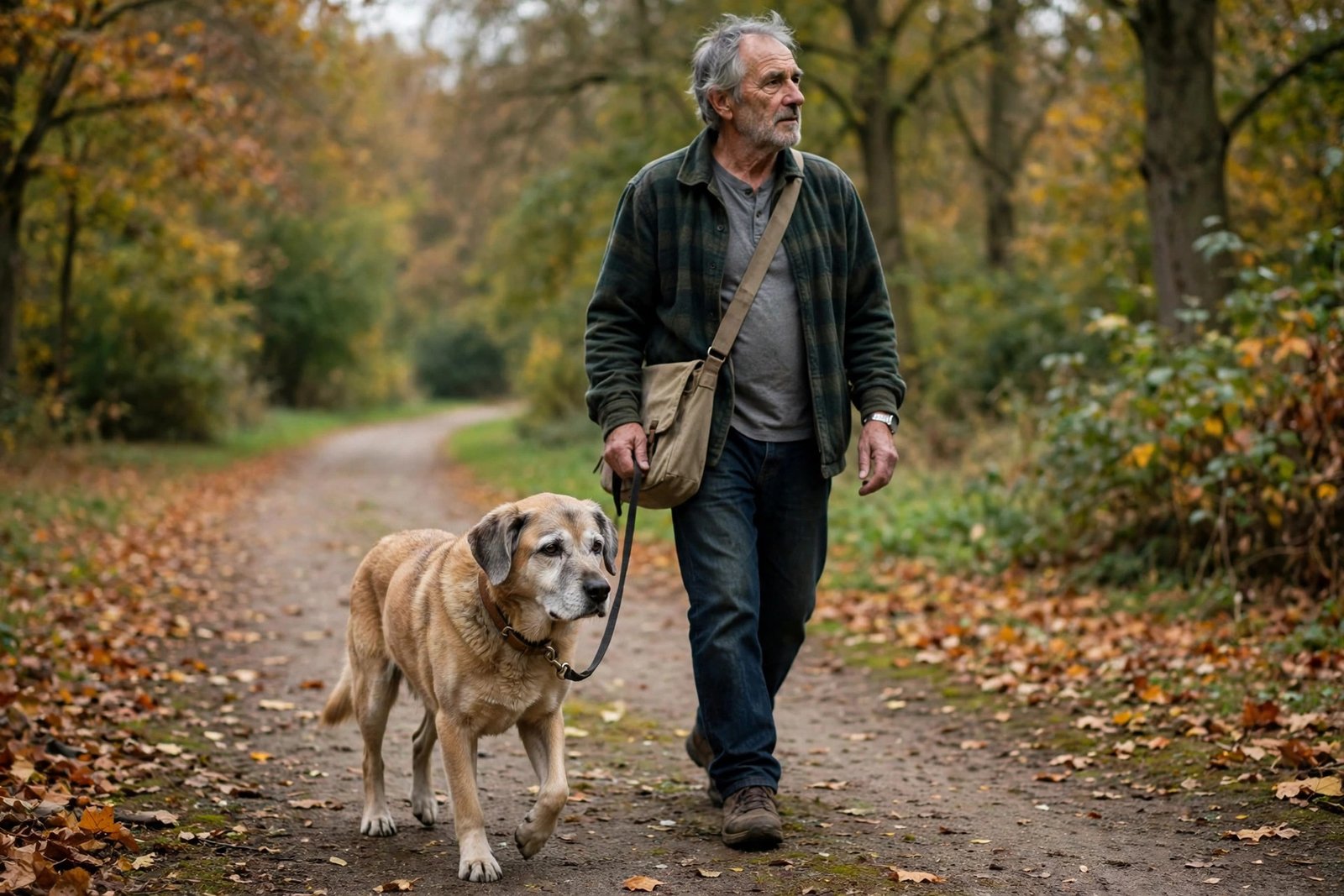
Help your dog move, but do not force long walks or stairs. Short, calm trips outside for toilet breaks work better than long outings. Use a harness that supports the chest and belly, if your vet agrees, and walk on flat, non-slip ground. Keep sessions short and stop when your dog tires, pants hard, or starts to sway more. Keep the routine calm: feed at the same times, keep the bed in the same place, and avoid moving furniture during recovery.
Watch for setbacks, such as new vomiting, a new fall, weakness on one side, or a drop in appetite, and call your vet if they happen. Keep bedding dry and clean. The video below, from Our Pets Health, explains old dog vestibular disease signs, treatment, and recovery in plain terms. It does not replace advice for your own dog.
Watch it here: Old Dog Vestibular Disease: signs, treatment and recovery.
Home Safety for Senior Dogs
Home safety makes the biggest daily difference for a senior dog with balance problems. A dog that leans or falls can hit furniture, slip on smooth floors, or tumble down stairs. Small changes can lower those risks and give your dog more confidence to move.
- Block stairs with gates until your vet says your dog can use them with help.
- Put non-slip rugs or mats on smooth floors, hallways, and near food and water bowls.
- Keep food, water, and the bed on one floor, close together, with a clear path between them.
- Raise bowls slightly if your vet agrees, so your dog does not need to bend far and lose balance.
- Remove loose cords, clutter, and low obstacles from walkways.
- Use night lights in halls and near the door your dog uses at night.
- Keep the dog away from pools, ponds, balconies, and open decks.
- Use a ramp for cars and low steps, rather than lifting a large dog on your own.
Senior dog balance problems also affect toilet trips. Take your dog out more often, on a short lead, and stay on flat ground. If your dog cannot reach the door in time, add pads near the bed for a short period, and keep the area clean. Do not scold a senior dog for an accident during recovery. Check paws and nails often, because long nails can catch on rugs and worsen a stumble.
Food, Water, and Daily Routines
Good senior dog care during recovery starts with food and water access. Place water where your dog can reach it without crossing a slippery floor. Offer small, frequent meals if nausea or a poor appetite makes large meals hard. If your dog vomits, ask your vet about food and water timing, rather than fasting your dog on your own.
Follow the vet feeding plan if your dog has kidney, heart, or weight problems. A sudden diet change can upset the stomach and add to nausea. If your dog refuses food, note how long the refusal lasts, whether water intake drops, and whether vomiting continues. Share that record with your vet.
Senior Dog Support Needs at a Glance
The table below compares support needs for a senior dog with vestibular disease and a younger dog with the same problem. It shows why senior care often needs more hands-on help, even when the balance problem looks similar.
| Support need | Senior dog | Younger dog |
|---|---|---|
| Help standing and walking | Often needs a harness, sling, or close support | May need brief support at first |
| Home setup | Needs ramps, gates, mats, and one-floor living | Needs mats and stair care, often for a shorter time |
| Other health checks | Needs checks for joints, sight, hearing, and other diseases | Needs checks too, but fewer age-related issues tend to overlap |
| Feeding and water | May need raised bowls, small meals, and close monitoring | May eat and drink with less help once nausea eases |
| Recovery pace | Often slower, with small steps and rest days | Often steadier, with quicker return to normal walks |
| Follow-up care | Needs closer follow-up and medicine reviews | Needs follow-up, often with fewer medicine checks |
Use the table as a planning aid, not a prediction. Each dog differs, and your vet can set the right level of help for your dog.
Frequently Asked Questions
What is old dog vestibular disease?
Old dog vestibular disease is a balance problem in senior dogs that affects the inner ear and brain links that control balance. It can cause a head tilt, wobbling, circling, rapid eye movement, and nausea. A vet must check the dog, because other problems can cause similar signs.
Why does vestibular disease affect older dogs more?
Older dogs often have age changes in the inner ear, weaker muscles, stiffer joints, and poorer sight or hearing. These changes do not cause every case, but they make balance loss harder to handle and recovery slower. Other senior health problems can also overlap and add to the risk.
Is an old dog head tilt always vestibular disease?
No. A head tilt can also come from an ear infection, a growth, a brain problem, or another nerve problem. A vet exam helps tell these causes apart. Seek urgent vet care if the tilt starts suddenly, or if circling, vomiting, or collapse happens with it.
How can I help my senior dog recover at home?
Keep your dog safe, calm, and rested. Use non-slip mats, block stairs, offer short flat walks with support, and keep food, water, and the bed close together. Track appetite, drinking, walking, and vomiting, and share those notes with your vet at follow-up visits.
Will my senior dog walk normally again?
Some senior dogs regain steady walking, while others keep a slight head tilt or a mild wobble. Recovery varies with the cause, other health problems, and the dog. Your vet can give a clearer view after an exam and follow-up checks, and home safety helps at every stage.
When should I call the vet again?
Call the vet if vomiting returns, your dog falls more often, weakness grows, appetite or drinking drops, or your dog cannot stand. Seek urgent care at once for collapse, trouble breathing, repeated vomiting, or a sudden change in awareness. Do not wait for the next routine visit in those cases.
Conclusion
Old dog vestibular disease can feel frightening, because the signs start fast and change how a senior dog moves. A prompt vet check, a safe home, short supported walks, and steady daily care give your dog the best chance to regain balance. Watch for urgent signs, keep notes for your vet, and adjust help as your dog improves.
This article gives general information only and does not replace veterinary advice. MyPetsCreature shares pet care guides to help owners ask better questions and support their dogs at home, with vet care as the guide for treatment decisions.

MyPetsCreature is a trusted digital resource dedicated to providing well-researched, human-centric insights into pet care, health, and behavior. Our team of passionate pet enthusiasts delivers reliable advice, comprehensive guides, and essential tips to help pet parents worldwide ensure the well-being and happiness of their companion animals.


One Comment