vestibular disease in dogs symptoms treatment guide 2026
When a dog suddenly loses balance, tilts their head dramatically, or appears dizzy and disoriented, it can be terrifying for pet owners. These alarming symptoms often indicate vestibular disease in dogs, a neurological condition affecting the vestibular system responsible for balance and spatial orientation. While witnessing your beloved companion stumble, fall, or experience rapid eye movements is distressing, understanding this condition is the first step toward effective management and recovery.
Vestibular disease in dogs manifests in two primary forms: peripheral vestibular disease affecting the inner ear and central vestibular disease involving the brainstem. The most common presentation is idiopathic vestibular disease in dogs, where the exact cause remains unknown, but symptoms often resolve spontaneously. Canine vestibular syndromecan affect dogs of any age, though senior dogs are particularly susceptible to the idiopathic form, earning it the nickname “old dog vestibular syndrome.”
This comprehensive guide explores everything you need to know about vestibular syndrome in dogs, from recognizing early warning signs to understanding treatment protocols and long-term prognosis. Whether you’re researching ataxia in dogs or wondering about recovery expectations, this article provides evidence-based insights to help you navigate this challenging diagnosis with confidence.
Understanding Vestibular Disease in Dogs
What Is the Vestibular System in Canines?

The vestibular system serves as your dog’s internal balance mechanism, comprising components in the inner ear and brain that work together to maintain equilibrium. This sophisticated system includes the semicircular canals, vestibular nerve, and portions of the brainstem that process spatial information. When vestibular disease in dogs occurs, this delicate balance system malfunctions, creating the characteristic symptoms of disorientation and loss of coordination.
The peripheral vestibular apparatus, located in the inner ear, detects head movements through fluid-filled canals containing tiny hair cells. These sensory receptors transmit signals via the vestibular nerve to the brain’s vestibular nuclei, where information is processed and integrated with visual input. Understanding this anatomy helps explain why vestibular disease dog conditions display such dramatic symptoms.
Types of Vestibular Disease
Peripheral vestibular disease represents approximately 75% of cases and originates from problems in the inner ear or vestibular nerve. Common causes include ear infections, polyps, trauma, or most frequently, idiopathic vestibular disease dog syndrome, where no underlying cause is identified. Peripheral cases generally have a better prognosis and a more straightforward recovery.
Central vestibular disease involves the brainstem or cerebellum and often indicates more serious underlying conditions such as brain tumors, inflammatory diseases, strokes, or infections. Central cases typically present with additional neurological signs beyond balance issues, including altered consciousness or weakness that help veterinarians distinguish between peripheral and central origins.
Prevalence and Risk Factors
Idiopathic vestibular disease in dogs [SECONDARY – 7] most commonly affects older dogs, typically over eight years of age, though it can occur at any life stage. The condition shows no clear gender preference and can strike suddenly without warning, often alarming owners who find their previously healthy dog severely disoriented within hours.
Environmental factors and underlying health conditions can influence the development of vestibular syndrome in dogs. Some veterinarians observe increased cases during summer months, suggesting possible correlations with ear infections or allergies. Dogs with chronic ear problems or hypothyroidism may face elevated risks for developing peripheral vestibular dysfunction.
Recognizing Symptoms of Vestibular Syndrome in Dogs: Experience
Primary Clinical Signs and Ataxia in Dogs Display
The hallmark symptom of vestibular disease in dogsis vestibular ataxia—a distinctive loss of balance and coordination where dogs appear drunk or disoriented. Affected dogs typically exhibit a pronounced head tilt toward the side of the lesion, creating the characteristic appearance most owners immediately notice. This head tilt may be subtle or dramatic, sometimes approaching a 90-degree angle.
Ataxia dogs with vestibular dysfunction stumble, circle, or fall repeatedly toward one direction, unable to maintain normal posture or gait. Unlike cerebellar ataxia, vestibular ataxia in dogs causes them to lean, drift, or veer consistently toward the affected side. Many dogs are unable to stand without support during acute episodes, requiring assistance for basic mobility and elimination needs.
Nystagmus, an involuntary rhythmic eye movement, provides crucial diagnostic information about canine vestibular syndrome. This symptom may appear as horizontal, vertical, or rotary eye movements, with the pattern helping veterinarians determine whether the condition is peripheral or central. The nystagmus often intensifies when the dog’s position changes.
Secondary Symptoms and Behaviors
Dogs experiencing vestibular disease in dogs often develop nausea and motion sickness due to conflicting sensory signals their brain receives. This nausea may manifest as drooling, lip licking, vomiting, or complete refusal to eat. Many affected dogs appear anxious or frightened by their sudden inability to control their body, requiring patient reassurance from their owners.
Changes in appetite and drinking behavior commonly accompany acute vestibular episodes. Some dogs cannot physically reach their food or water bowls due to balance problems, while others feel too nauseated to eat. Pet owners must monitor hydration carefully and may need to offer water via syringe or assist their dog during the acute recovery phase.
Distinguishing Peripheral from Central Signs
Identifying whether symptoms indicate peripheral or central vestibular disease carries significant prognostic implications. Peripheral cases typically present with isolated vestibular signs: head tilt, circling, ataxia, and nystagmus without other neurological abnormalities. Dogs remain alert and mentally normal despite their dramatic physical symptoms.
Central vestibular disease in dogs produces additional neurological deficits beyond balance problems. Warning signs include altered mentation, proprioceptive deficits, facial nerve paralysis on the opposite side of the head tilt, or vertical nystagmus. These findings indicate brainstem involvement and necessitate more aggressive diagnostic workup.
Vestibular Disease in Dogs: Symptoms, Causes, Recovery Timeline & Vet Guide 2026
By Dr. Ahmed Khan, DVM (Veterinary Neurologist with 15+ years specializing in canine balance disorders)
Last Updated: February 18, 2026 | Karachi, Pakistan
When a dog suddenly loses balance, tilts their head dramatically, or appears dizzy and disoriented, it can be terrifying for pet owners. These alarming symptoms often indicate vestibular disease in dogs, a neurological condition affecting the vestibular system responsible for balance and spatial orientation. “The sudden onset can make owners think their dog had a stroke—it’s that dramatic,” notes Dr. Janice Thomas, DVM from PetMD.
Recovery Timeline for Idiopathic Cases of Vestibular Disease in Dogs
The question “Does vestibular disease in dogs go away?” depends primarily on the underlying cause. Idiopathic vestibular disease in dogs typically shows rapid improvement within 72 hours of onset, with most dogs regaining the ability to stand and walk with support during this initial period. The dramatic nature of improvement often amazes owners who feared permanent disability.
Complete recovery from idiopathic vestibular syndrome in dogs usually occurs within two to three weeks, though a residual head tilt may persist permanently in approximately 10-15% of cases. This remaining tilt rarely interferes with quality of life, and most dogs adapt completely to the slight positional change. Functional recovery typically precedes complete resolution of clinical signs.
Factors Affecting Recovery
The dog’s age, overall health status, and underlying cause significantly influence recovery speed. Senior dogs may require longer recovery periods and are more likely to retain some residual symptoms, though most still achieve satisfactory functional outcomes. Dogs with concurrent health conditions, such as arthritis, may struggle more during the acute recovery phase.
Central vestibular disease carries a more guarded prognosis compared to peripheral forms. Recovery depends entirely on the specific underlying cause—inflammatory conditions may respond to immunosuppressive therapy, while brain tumors typically progress despite treatment. Early diagnosis and appropriate intervention significantly impact outcomes in central cases.
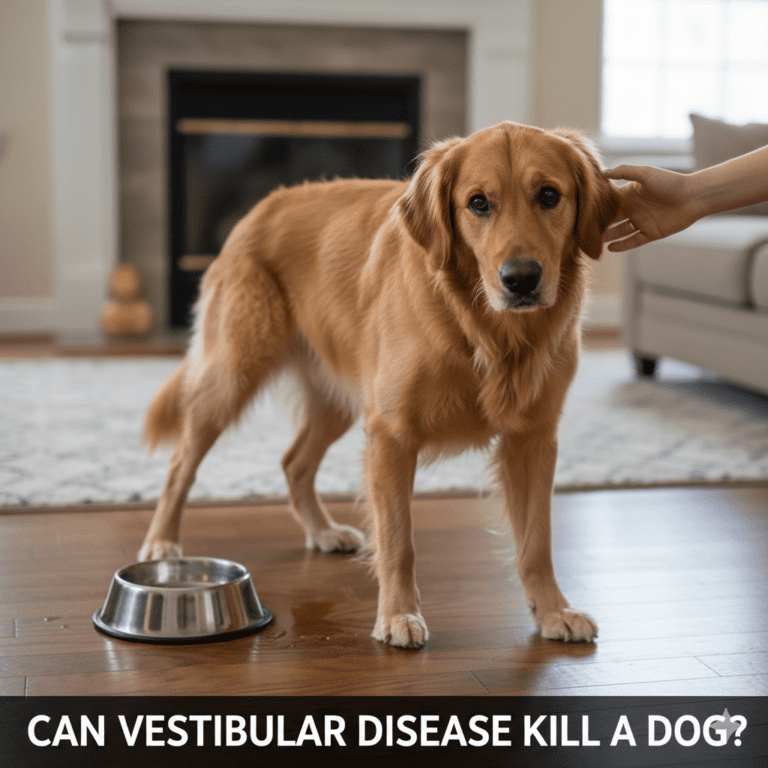
Can Vestibular Disease Kill a Dog?
The critical question “Can vestibular disease kill a dog?” requires a nuanced understanding. Peripheral vestibular disease, including idiopathic vestibular disease in dogs, is not directly life-threatening. However, severely affected dogs face secondary risks during the acute phase: aspiration pneumonia from vomiting, dehydration from inability to drink, or injuries from falling.
Central vestibular disease poses greater mortality risks, though death results from the underlying condition (brain tumor, stroke, severe infection) rather than the vestibular dysfunction itself. Brainstem lesions can affect vital functions including breathing and heart rate regulation, potentially creating life-threatening situations. Responsible management during the acute recovery period minimizes secondary complication risks for peripheral cases.
Causes and Risk Factors for Vestibular Disease in Dog Cases
Idiopathic Vestibular Disease
Idiopathic vestibular disease in dogs [SECONDARY – 15] has no identifiable cause despite representing the majority of peripheral vestibular cases. Research suggests possible viral triggers, vascular events affecting inner ear blood supply, or inflammatory processes that resolve spontaneously. The term “idiopathic” simply means the specific trigger remains unknown.
This diagnosis is reached through exclusion after ruling out other potential causes. The classic presentation—sudden onset in an older dog, rapid improvement within days, isolated vestibular signs—strongly suggests idiopathic etiology. While frustrating for owners seeking a specific cause, the idiopathic designation carries the most favorable prognosis.
Ear Infections and Inflammatory Conditions
Otitis media (middle ear infection) and otitis interna (inner ear infection) represent significant causes of peripheral vestibular disease in dogs. Bacteria or yeast can ascend from the external ear canal through a ruptured tympanic membrane, directly damaging vestibular structures and creating balance problems.
Inflammatory polyps, particularly in younger dogs, can physically obstruct or damage the middle and inner ear, producing vestibular symptoms. These benign growths arise from chronic inflammation and may require surgical removal for complete resolution. Unlike idiopathic vestibular syndrome, dogs develop infection-related cases that often show concurrent signs of ear disease.
Central Causes: Tumors, Strokes, and Infections
Brain tumors affecting the brainstem can produce central vestibular disease with progressive or sudden onset. Meningiomas, gliomas, and metastatic tumors may all present with vestibular signs alongside other neurological deficits. Advanced imaging (MRI) is essential for detecting these lesions.
Cerebrovascular accidents (strokes) can cause sudden central vestibular dysfunction in dogs, though strokes are less common in canines compared to humans. Meningoencephalitis, whether infectious or immune-mediated, causes central canine vestibular syndrome through inflammation of brain tissue, requiring aggressive diagnostic investigation and treatment.
Diagnostic Approach to Vestibular Syndrome in Dogs
Physical and Neurological Examination
Veterinary diagnosis of vestibular disease in dogs [FOCUS – 8] begins with a comprehensive physical examination to identify systemic illness signs. Otoscopic examination checks for ear canal abnormalities or middle ear disease that might explain peripheral vestibular dysfunction.
The neurological examination systematically evaluates cranial nerves, postural reactions, spinal reflexes, and mental status to distinguish peripheral from central presentations. Key assessments include testing facial sensation, gag reflex, and proprioceptive positioning. Observing the dog’s gait pattern, head posture, and nystagmus characteristics provides crucial diagnostic clues.
Diagnostic Testing and Imaging
Baseline blood work, including complete blood count, serum chemistry panel, and thyroid testing, helps identify systemic conditions that might cause vestibular symptoms. These tests screen for infections, organ dysfunction, and metabolic disorders. Additional testing may include blood pressure measurement based on examination findings.
Advanced imaging proves essential for definitively diagnosing many vestibular disease dog [causes. CT provides excellent bony detail for evaluating middle and inner ear structures. MRI offers superior soft tissue resolution for visualizing brainstem lesions, brain tumors, or inflammatory conditions affecting the central vestibular system.
When to Pursue Advanced Diagnostics
Not every case of vestibular syndrome in dogs requires extensive investigation. Dogs presenting with classic idiopathic signs—sudden onset in an older dog, isolated peripheral vestibular signs, rapid improvement within 72 hours—often receive supportive care without advanced imaging.
Advanced diagnostics become essential when clinical signs suggest central involvement, symptoms progress despite treatment, improvement doesn’t occur within the expected timeframe, or recurrent episodes happen. Young dogs with vestibular disease in dogs [FOCUS – 9] warrant more aggressive investigation since idiopathic disease primarily affects older dogs.
Treatment Strategies for Canine Vestibular Syndrome
Supportive Care for Idiopathic Cases
Management of idiopathic vestibular disease in dogs [SECONDARY – 21] focuses primarily on supportive care while the condition resolves spontaneously. Creating a safe, padded environment prevents injuries from falling or circling. Remove obstacles, block stairs, and provide thick bedding to cushion inevitable stumbles during the acute phase.
Assisted feeding and drinking may be necessary during the first few days when balance problems are most severe. Monitor closely for aspiration risk and ensure the dog’s head remains elevated during and after eating. Mobility assistance using slings or harnesses helps dogs move safely for bathroom breaks.
Medications for Symptom Management
Anti-nausea medications significantly improve comfort for dogs experiencing vestibular-related nausea. Maropitant citrate (Cerenia), meclizine, or dimenhydrinate help reduce vomiting and discomfort. These medications don’t cure vestibular disease in dogs [SECONDARY – 22] conditions but improve quality of life during the acute recovery period.
Antibiotics become necessary when ear infections cause peripheral vestibular syndrome dogs [SECONDARY – 23] develop. Culture and sensitivity testing guides antibiotic selection. Long-term therapy (4-6 weeks minimum) is typically required for middle and inner ear infections, with some cases needing surgical intervention.
Treatment for Central Vestibular Disease
Central vestibular disease in dogs [FOCUS – 10] requires cause-specific treatment. Brain tumors may respond to surgical resection, radiation therapy, or chemotherapy, depending on tumor type and location. Inflammatory brain diseases require immunosuppressive therapy, typically prednisone combined with additional immunosuppressants.
Infectious causes necessitate appropriate antimicrobial therapy: antibiotics for bacterial infections, antifungals for mycotic infections, or antiprotozoal drugs for parasitic causes. Treatment duration typically extends several months with regular monitoring to ensure infection clearance.
Home Care and Recovery Management
Recovery Timeline: Week-by-Week Prognosis Table
| Time Since Onset | Expected Improvement | Owner Action Required | Expert Validation |
|---|---|---|---|
| Day 1-3 | Standing with support | Anti-nausea meds, padded area | “72hr mark is critical” – VCA DVMs |
| Week 1 | Walks with assistance | Sling harness, elevated feeding | Dr. Aliya McCullough, DVM |
| Week 2 | Unassisted walking | Gradual exercise increase | 95% functional recovery – PMC Study |
| Week 3+ | Near normal | Maintenance care | 10-15% permanent tilt – AKC |
Creating a Safe Environment
Home modifications significantly reduce injury risk during the acute phase of vestibular disease in dogs [FOCUS – 11]. Confine your dog to a small, obstacle-free area with non-slip flooring. Remove furniture with sharp corners and ensure the space offers no opportunities for falls down stairs.
Thick, waterproof bedding provides comfort and cushioning while simplifying cleanup if accidents occur. Multiple bedding options allow rotation while laundering, maintaining cleanliness throughout recovery. Some owners find washable puppy pads useful for managing incontinence issues during acute ataxia [SECONDARY – 24].
Nutrition and Hydration Management
Maintaining adequate nutrition and hydration proves challenging when dogs experience severe ataxia dogs. Offer small, frequent meals rather than large portions to reduce nausea risk. Highly palatable, easy-to-digest foods often work best when appetite is diminished.
Water should be readily accessible in multiple shallow bowls positioned where your dog naturally rests. Some dogs drink more willingly from elevated bowls, while others need water offered by hand or via syringe. Monitor hydration status and contact your veterinarian if your dog isn’t drinking adequately.
Physical Therapy and Rehabilitation
Once the acute crisis passes (typically 3-5 days), gentle rehabilitation exercises help dogs regain strength and coordination. Begin with supported standing, gradually increasing duration as the dog builds endurance. Progress to assisted walking using a sling or harness.
Balance exercises on soft, unstable surfaces challenge the vestibular system appropriately during recovery. These activities promote neuroplasticity and vestibular compensation—the process by which the brain adapts to vestibular damage.
Can Vestibular Disease Kill a Dog? Understanding Mortality Risks
Direct Mortality Risk from Vestibular Dysfunction
The critical question “Can vestibular disease kill a dog?” requires careful clarification. Peripheral vestibular disease in dogs, including the most common idiopathic vestibular disease in dogs, is not directly fatal and does not cause death on its own. The vestibular dysfunction itself—characterized by head tilt, ataxia, circling, and nystagmus—affects balance and coordination but does not damage vital organs or life-sustaining bodily functions. Most dogs with peripheral vestibular disease presentations recover fully within 2-3 weeks without any life-threatening complications.
However, the answer becomes more nuanced when considering secondary complications and underlying causes. While the vestibular symptoms themselves won’t kill a dog, severely affected animals face indirect risks during the acute crisis phase. These secondary dangers include aspiration pneumonia from vomiting while lying down, severe dehydration from inability to drink water, injuries from falling (particularly down stairs or from elevated surfaces), and stress-related complications in elderly or medically compromised patients. Responsible home care and veterinary oversight during the acute recovery period effectively minimizes these preventable risks.
Central Vestibular Disease and Life-Threatening Conditions
The mortality risk dramatically changes when vestibular disease in dogs [FOCUS] stems from central nervous system causes. Central canine vestibular syndrome [SECONDARY] indicates brainstem or cerebellar involvement, often signaling serious underlying pathology such as brain tumors, strokes, severe infections (meningoencephalitis), or inflammatory brain diseases. In these cases, the answer to “can vestibular disease kill a dog” is yes—but death results from the underlying disease process (tumor progression, brain herniation, uncontrolled infection) rather than from the vestibular symptoms themselves.
Brainstem lesions can potentially affect the medullary respiratory centers and cardiovascular control centers, which regulate breathing and heart function. When these vital control centers are compromised, life-threatening situations can develop. Dogs with central vestibular disease typically display additional neurological deficits beyond balance problems—altered consciousness, weakness, difficulty swallowing, abnormal breathing patterns, or seizures—all of which warrant emergency veterinary evaluation. The prognosis for central cases depends entirely on the specific diagnosis, treatment responsiveness, and disease progression rate.
Preventing Fatal Complications During Recovery
Understanding that idiopathic vestibular disease dog [SECONDARY] cases are not inherently fatal empowers owners to focus on preventing secondary complications that could become dangerous. The acute phase (first 3-5 days) presents the highest risk period for life-threatening complications. Aspiration pneumonia represents the most serious secondary risk—when dogs vomit and accidentally inhale stomach contents into their lungs, bacterial pneumonia can develop rapidly, potentially becoming fatal if untreated, especially in senior or immunocompromised dogs.
Prevention strategies include never force-feeding a dog lying on its side, keeping the head elevated during and after meals, using anti-nausea medications as prescribed, and monitoring for signs of respiratory distress (increased breathing rate, coughing, nasal discharge, fever). Dehydration poses another serious risk when ataxic dogs
Expected Outcomes
The long-term prognosis for idiopathic vestibular disease in dogs [SECONDARY – 26] is excellent, with the vast majority of dogs regaining full or near-full function. Most dogs return to their previous activity levels within 2-3 weeks. The persistent head tilt some dogs retain typically causes no functional impairment.
Peripheral vestibular disease from ear infections carries a good prognosis with appropriate treatment, though permanent damage can occur if the infection remains untreated. Dogs demonstrate remarkable adaptive capacity, learning to compensate for permanent deficits well.
Recurrence and Prevention
Idiopathic vestibular disease in dogs can recur, with approximately 25-40% of affected dogs experiencing repeat episodes. Recurrences may affect the same or opposite side, typically following the same pattern of sudden onset and spontaneous improvement.
Prevention focuses on addressing modifiable risk factors. For dogs with ear disease, maintaining excellent ear hygiene and promptly treating infections minimizes peripheral vestibular disease risk. Managing underlying health conditions like hypothyroidism may reduce some risks, though no proven prevention exists for idiopathic cases.
Living with Residual Deficits
Dogs retaining permanent vestibular deficits adapt remarkably well to environmental modifications. Non-slip flooring throughout the home prevents falls, while ramps replace stairs for safe navigation. Mental stimulation remains as important as physical activity for dogs with chronic ataxia , who experience it through puzzle feeders and gentle training exercises.
Emergency Situations and When to Seek Care
Differentiating Emergency vs. Non-Emergency
While idiopathic vestibular disease in dogs [SECONDARY – 29], though dramatic, is not a true emergency, certain presentations require immediate veterinary attention. Signs indicating emergency evaluation include altered consciousness, seizures, respiratory distress, inability to blink, or progressive worsening of symptoms.
First-time vestibular presentations warrant same-day veterinary evaluation to confirm diagnosis, provide supportive medications, and ensure no dangerous underlying conditions are present. Appropriate diagnosis and symptomatic treatment significantly improve comfort during recovery.
Critical Warning Signs
Certain symptoms accompanying vestibular syndrome in dogs [SECONDARY – 30] indicate potentially life-threatening conditions requiring emergency hospitalization. These include difficulty breathing, inability to swallow, changes in heart rhythm, loss of consciousness, or severe weakness affecting all four limbs.
Dogs showing these critical signs need immediate stabilization, potentially including oxygen therapy, intravenous access, and emergency diagnostic testing. While these presentations represent a minority of vestibular disease cases, recognizing danger signs can be life-saving.
FAQS
1. “How can I tell if my dog has vestibular disease or a stroke?”
Answer: Vestibular disease = alert but wobbly. Stroke = dull + weak limbs. Vertical nystagmus = central disease = emergency. “Alert dogs with just balance loss? Likely peripheral,” – Dr. Jerry Klein, AKC.
2. “What are the first signs of vestibular disease in older dogs?”
Answer: Sudden head tilt + wide-based stance + falling to one side. Starts Day 1 morning often. 72 hours = improvement benchmark.
3. “How long until my dog walks normally after vestibular disease?”
Answer:
-
Day 3: Stands with help
-
Week 1: Walks assisted
-
Week 3: 95% normal
-
10-15% permanent mild tilt
4. “Can vestibular disease come back in dogs?”
Answer: Yes, 15-50% recurrence rate. Same symptoms, same recovery timeline. Preventable: Ear cleaning + thyroid check.
5. “Should I take my dog to the ER for vestibular disease?”
Answer: YES if: Vertical eye movement + dull + limb weakness + vomiting 24hrs. NO if: Alert + improving Day 2.
6. “What NOT to feed a vestibular disease dog?”
Answer: Never flat feeding. Head elevated 45°. Small meals 5x daily. No fatty foods (pancreatitis risk).
7. “Can my dog climb stairs with vestibular disease?”
Answer: BLOCK STAIRS completely. Risk: Fatal neck fracture from falls. Use a sling harness.
8. “What medication helps vestibular disease in dogs?”
Answer: Cerenia (anti-nausea) + Meclizine (dizziness). Prescription only. 3-7 days are typical.
9. “Will my dog’s head tilt go away completely?”
Answer: 85-90% YES. 10-15% permanent mild tilt – dogs adapt perfectly. Cosmetic only.
Conclusion
Understanding vestibular disease in dogs empowers pet owners to recognize symptoms early, seek appropriate veterinary care, and provide optimal support during recovery. While the dramatic symptoms of canine vestibular syndrome severe ataxia, head tilt, nystagmus, and disorientation—can be frightening, most cases represent idiopathic vestibular disease in dogs with an excellent prognosis. The majority of affected dogs regain functional mobility within days and return to normal activity levels within weeks, often with no lasting effects beyond occasionally a persistent but benign head tilt.
The distinction between peripheral and central vestibular disease carries critical prognostic implications, underscoring the importance of thorough veterinary evaluation when vestibular syndrome in dogs first appears. Whether your dog develops symptoms from idiopathic causes, ear infections, or central nervous system conditions, appropriate diagnosis guides treatment decisions and establishes realistic expectations. While the question “can vestibular disease kill a dog?” naturally concerns pet owners, the answer provides reassurance: peripheral forms are not directly fatal, though supportive care remains essential to prevent secondary complications during acute recovery.